

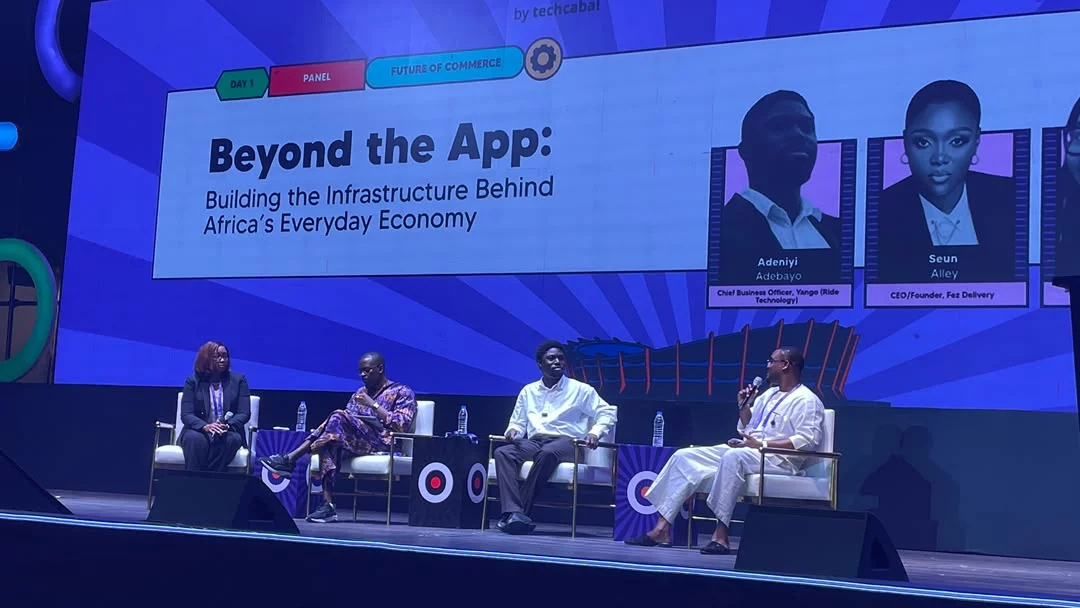
At a Lagos panel titled “Where Are Stablecoins Creating Real Value in Africa?” representatives from Solana Superteam Nigeria, Obiex and Hyperbridge discussed how stablecoins are being used by African businesses to pay overseas suppliers despite a range of obstacles.
Chinonso Obiefule, lead of Solana Superteam Nigeria, said some Nigerian firms are already using stablecoins to settle invoices with Chinese suppliers when dollars are hard to obtain through conventional channels.
People want to access dollars, but they cannot do that because, obviously, dollars aren’t easily accessible, so the next best option is actually stablecoin.
Odinaka Esiagu, head of customer success and operations at Obiex, highlighted that stablecoins enable payments outside banking hours, allowing a company to complete a cross‑border transaction even when its bank is closed.
A company buying goods from a Chinese supplier might need to complete a payment while its bank was closed.
Esiagu added that the technology improves transaction flexibility rather than eliminating the need for banks.
The IMF estimates Nigeria received about $59 billion in crypto‑asset inflows between July 2023 and June 2024, representing roughly 60 percent of stablecoin inflows into sub‑Saharan Africa since 2019.
Cost and confidence remain key concerns. Obiefule said developers must make international transfers cheaper, safer and easier to use.
It should be cheaper to send money to somebody abroad or to get money from somebody abroad.
Low blockchain transaction fees were cited as a factor that could make stablecoin payments commercially viable for more businesses.
Esiagu warned that reports of cryptocurrency platform hacks continue to deter potential users.
Some people are still scared.
Obiex is developing a service that provides technical and compliance support to help businesses build stablecoin‑based products, allowing them to focus on customers without building the underlying infrastructure themselves.
Fragmented blockchain networks
Seun Lanlege, chief executive of Hyperbridge, said fragmentation across blockchains limits users’ ability to draw on liquidity across platforms, complicating seamless transfers.
Funds available on one network are not necessarily readily accessible on another.
Hyperbridge offers infrastructure for moving tokens between networks, and its HyperFX product uses those connections to facilitate transactions across blockchain ecosystems. Lanlege stressed the need for security and decentralisation, warning that reliance on centralised intermediaries could create vulnerabilities.
The IMF has called for clearer treatment of stablecoin issuers in Nigeria, stronger oversight and better data on digital‑asset interactions with the domestic financial system, cautioning that widespread use of dollar‑denominated stablecoins could weaken monetary‑policy transmission and pose financial‑integrity risks.
Executives said broader adoption will depend on lowering costs, improving security and achieving regulatory clarity.


0 Comments
Leave a Comment
No comments yet. Be the first to share your thoughts!