

Key Takeaways
- Stonebwoy denies ever stating that musicians must "play along" for personal gain.
- Sarkodie explains he advised Stonebwoy that no artist can be compelled to uphold a principle against their will.
- The two rappers acknowledge distinct strategies for navigating industry expectations.
- The dialogue underscores ongoing tension over creative freedom in Ghana's music sector.
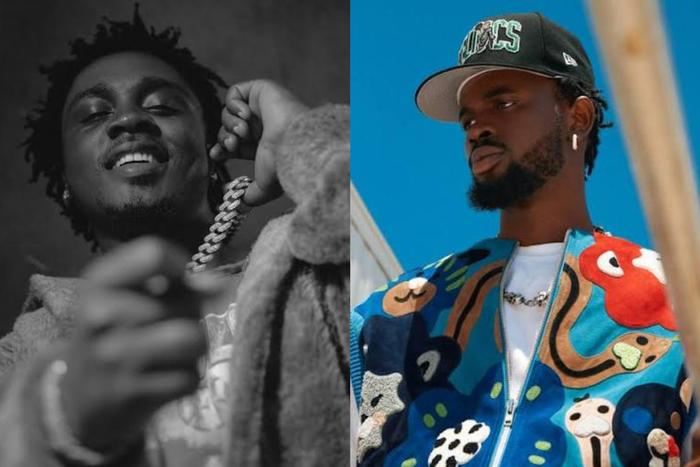
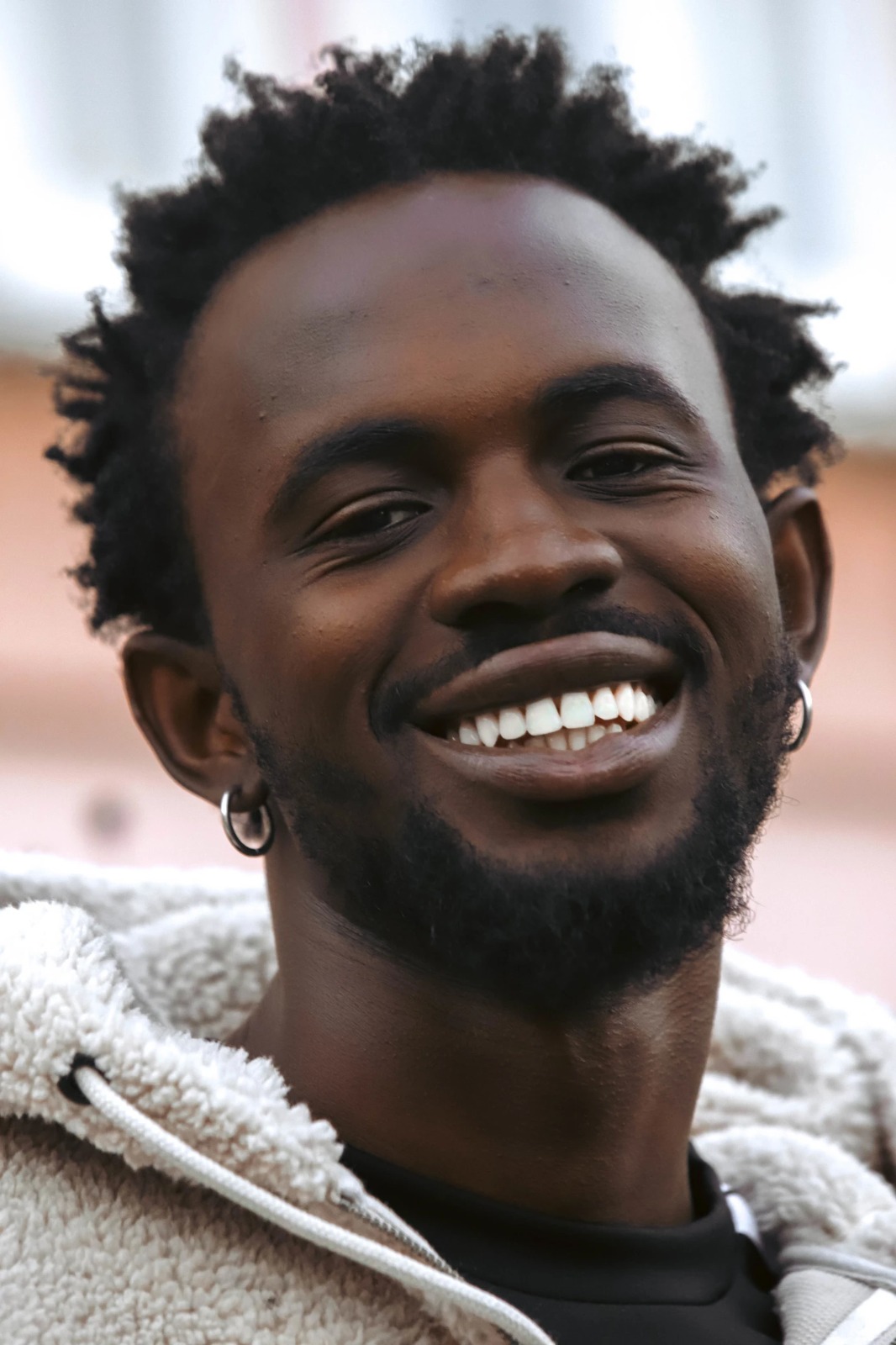
Stonebwoy addressed recent social media speculation by clarifying that he never suggested artists should compromise their values for commercial advantage. The clarification came after a series of posts implied he had criticized peers for adhering to industry pressures.
Sarkodie, in a separate statement, recounted a conversation where he reminded Stonebwoy that no performer can be forced to adopt a stance that conflicts with personal convictions. He added that their differing responses reflect individual coping mechanisms within a competitive market.
Background & Context
The Ghanaian music landscape has long grappled with the balance between artistic integrity and market demands. High‑profile collaborations, streaming metrics, and sponsorship deals often create pressure points for artists seeking both authenticity and financial viability.
Historically, debates over lyrical content and branding have surfaced whenever a prominent figure comments on peer conduct. The current exchange revives those discussions, positioning Stonebwoy and Sarkodie as focal points for broader industry introspection.
Interpretation of the Exchange
Stonebwoy's denial centers on a misinterpretation of his earlier remarks, which were intended to highlight the need for personal agency rather than prescribe a universal approach. By stressing that he never advocated forced conformity, he reasserts his stance on artistic self‑determination.
Sarkodie's clarification adds nuance by acknowledging that while external forces exist, the decision to align or resist remains personal. His comment about “different ways of dealing with situations” signals respect for varied professional strategies.
Industry Implications
The dialogue illustrates a growing awareness among Ghanaian musicians of the power dynamics embedded in record contracts, media narratives, and fan expectations. As digital platforms amplify every statement, the margin for misquotation narrows, prompting artists to manage public perception more deliberately.
Stakeholders, including label executives and cultural commentators, may interpret the exchange as a call for clearer communication channels. The incident could encourage formal mechanisms for dispute resolution and media training within the sector.
Looking Ahead
Future interactions between leading artists are likely to be scrutinized for cues about collective attitudes toward creative autonomy. Observers anticipate that the conversation may inspire workshops or panels focused on rights, branding, and ethical collaboration.
Continued dialogue could shape policy discussions around intellectual property and artist representation, reinforcing Ghana's position as a vibrant yet accountable music hub.


0 Comments
Leave a Comment
No comments yet. Be the first to share your thoughts!