
Key Takeaways
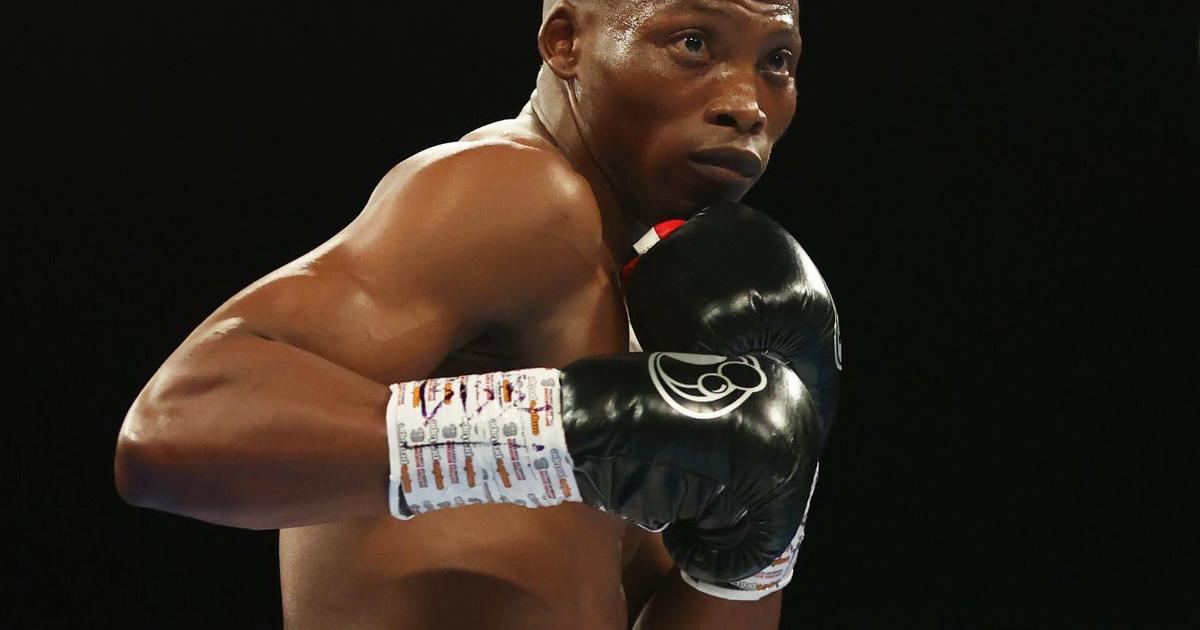
- Zolani Tete, 38, was shot dead outside his residence in Mdantsane, Eastern Cape.
- The former two‑time world champion held feather‑weight titles recognized by major sanctioning bodies.
- The incident adds to a series of violent crimes affecting South African sport figures.
- Police have launched a homicide investigation; no suspect has been publicly identified.
Zolani “Last Born” Tete was found dead after gunfire struck him outside his home in Mdantsane, a township known for producing boxing talent. The fatal shooting occurred in the early hours of the day, prompting an immediate police response and a cordoned‑off crime scene.
Friends and family confirmed his age as 38 and described him as a devoted father and mentor to younger athletes. The loss reverberates through South Africa’s boxing community, which had celebrated his achievements on the global stage.
Career Overview
Tete rose from the gyms of Mdantsane to claim world titles in the feather‑weight division, first securing the IBO crown in 2017 and later adding the WBA (Regular) belt in 2020. His aggressive style and high work rate earned him the nickname “Last Born,” reflecting his reputation for relentless pressure.
Over a decade‑long professional career, he amassed more than 30 victories, many by knockout, and defended his titles against contenders from across Africa and Europe. His success helped raise the profile of South African boxing during a period of declining international visibility.
Beyond the ring, Tete invested in local youth programs, sponsoring training sessions and providing equipment to aspiring fighters. His mentorship was credited with reviving interest in the sport among township youth.
Context of Violence in South African Sport
South Africa has witnessed a spike in violent incidents targeting athletes, ranging from assaults to fatal shootings. Factors such as socioeconomic disparity, organized crime, and inadequate policing contribute to a climate of insecurity for public figures.
Boxers, who often emerge from disadvantaged neighborhoods, are particularly vulnerable due to their visibility and the financial incentives tied to their careers. The murder of former champion Jacob Matlala in 2021 and the recent stabbing of a provincial rugby player illustrate a broader pattern.
Law enforcement agencies have faced criticism for slow response times and limited resources dedicated to protecting high‑profile individuals. The current investigation into Tete’s death is being overseen by the Eastern Cape Provincial Police, which has pledged a thorough inquiry.
Community Response
The boxing fraternity responded with an outpouring of tributes on social media and at local gyms. Prominent South African trainers highlighted Tete’s technical proficiency and his role in nurturing the next generation of fighters.
National sporting bodies announced a moment of silence at upcoming matches and have offered counseling services to athletes affected by the tragedy. Several sponsors expressed intent to honor Tete’s legacy through scholarships and memorial events.
Human rights organizations called for stronger protective measures for athletes, urging the government to allocate resources for security and community development programs that address the root causes of violence.
Looking Ahead
The investigation’s progress will shape public confidence in the criminal justice system’s ability to safeguard prominent citizens. Pending the outcome, stakeholders may push for policy reforms aimed at enhancing personal security for athletes.
In the longer term, Tete’s death underscores the need for sustained investment in grassroots sport infrastructure, mentorship, and social services to mitigate the conditions that foster criminal activity. The boxing community’s resolve to honor his memory could catalyze renewed focus on these systemic challenges.


0 Comments
Leave a Comment
No comments yet. Be the first to share your thoughts!