

Key Takeaways
- AMA chief executive Michael Kpakpo Allotey publicly apologized to citizen Kingsley Boateng after an alleged extortion incident involving city guards.
- The mayor mandated repayment of the disputed amount and warned that any staff caught demanding unofficial fees will be prosecuted.
- New regulations require aboboya and tricycle operators to fit reflectors and use outer lanes, while transport fares must conform to legal rates.
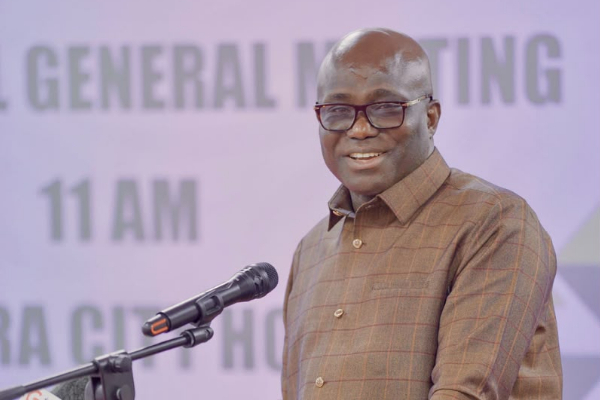
During a media engagement on August 19, the Accra Metropolitan Assembly addressed growing public concern over misconduct by some of its enforcement personnel. The incident involving Kingsley Boateng highlighted gaps in oversight and prompted a formal apology from the Assembly’s chief executive.
Allotey’s statements underscored a broader commitment to restore confidence in municipal services, emphasizing that the Assembly will not shield officials who abuse their authority. The apology was accepted by the complainant, signaling a tentative resolution to the dispute.
Background & Context
Accra’s rapid urban expansion has intensified reliance on city guards, task‑force units and informal transport operators to manage traffic and enforce municipal bylaws. Historically, limited supervision of these agents has created opportunities for unofficial payments, eroding public trust. Recent media reports have amplified calls for systemic reform.
The alleged extortion case fits within a pattern of grievances lodged by residents who feel vulnerable to arbitrary demands. Legal frameworks governing municipal officers prohibit the collection of unofficial fees, yet enforcement has been uneven, prompting civil society to demand clearer accountability mechanisms.
Accountability Measures
Allotey directed that the money taken from Boateng be refunded immediately, a move intended to demonstrate tangible redress. He also warned that any AMA employee found engaging in extortion will face criminal prosecution, aligning municipal policy with Ghana’s anti‑corruption statutes.
Beyond individual restitution, the Assembly announced a reporting hotline for citizens to flag misconduct. The initiative aims to create a data trail that can be audited by the internal affairs unit, thereby reducing the likelihood of repeat offenses.
Transport Regulation and Public Safety
The mayor introduced new guidelines for aboboya (motor‑bike taxis) and tricycle operators, mandating reflective devices and the use of outer lanes where alternative routes exist. These measures address longstanding safety concerns, as poorly lit vehicles and lane violations contribute to a high incidence of road accidents in the capital.
Allotey also reiterated the need for trotro and taxi drivers to adhere to legally approved fares, warning against arbitrary price hikes that burden commuters. By coupling fare compliance with road‑safety standards, the Assembly seeks to streamline informal transport while protecting passengers.
Looking Ahead
Implementation of the refund directive and transport regulations will be monitored through periodic audits and community feedback. Success will depend on the Assembly’s capacity to enforce penalties consistently and to sustain the reporting mechanisms introduced.
Continued vigilance by both officials and residents is essential to transform Accra’s municipal services from reactive crisis management to proactive governance, reinforcing the city’s reputation as a safe and accountable urban center.



0 Comments
Leave a Comment
No comments yet. Be the first to share your thoughts!