
Key Takeaways
- Background checks found no evidence that any suspect was part of presidential or vice‑presidential security.
- Four Ghanaians, including Musah Attah, face charges for allegedly exporting 3.9 tonnes of cocaine to France.
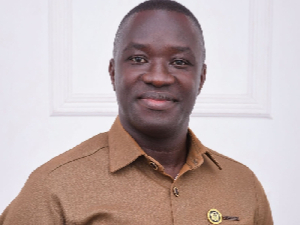
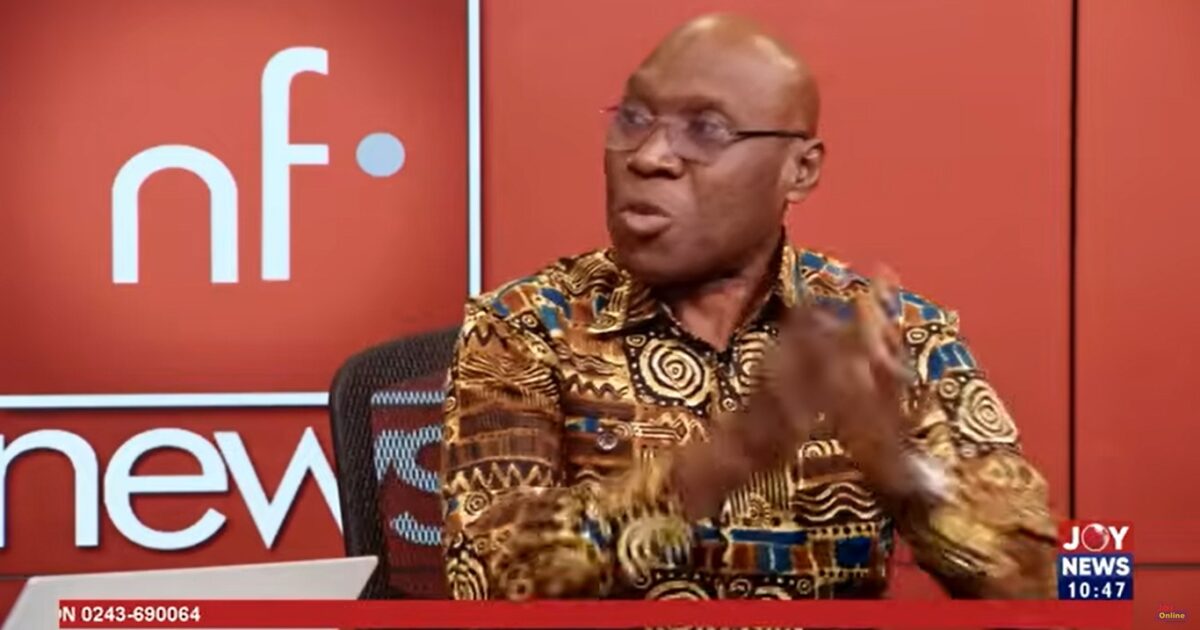
- Deputy Director‑General Alexander Twum‑Barimah urged politicians to avoid politicising the case.
- Investigations continue to trace how the shipment left Ghana and identify additional participants.
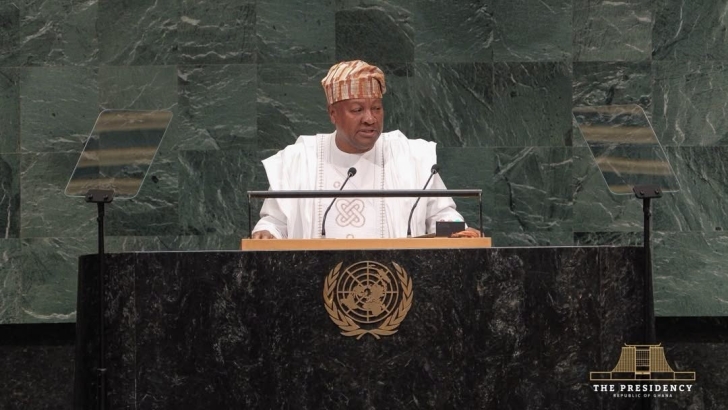
The Narcotics Control Commission clarified on 26 September that none of the individuals arrested in connection with the Dunkirk cocaine seizure were linked to the security details of President John Dramani Mahama or Vice‑President Professor Naana Jane Opoku‑Agyemang. The statement responded to allegations circulated by a Member of Parliament and amplified on social media.
Photographs that appeared online suggested a proximity between suspect Musah Attah, known as “Kromo”, and the two senior officials. The commission’s investigation focused on the suspects’ employment histories and found no record of presidential security service.
Background & Context
French customs intercepted nearly 3.9 tonnes of cocaine concealed in a container of plastic waste that had arrived from Ghana at the Port of Dunkirk on 10 September. The shipment, partially destined for Antwerp, prompted a multinational investigation into the logistics chain that moved the narcotics from West Africa to Europe.
Ghanaian authorities arrested four citizens—Desmond Koranteng Curiel, Musah Attah, Kweku Okyere, and Jessica Hartog—who are alleged to have coordinated the export without a licence. Their arraignment before the Accra High Court on 16 September marked the first high‑profile legal step in a case that has drawn international attention.
Official Findings
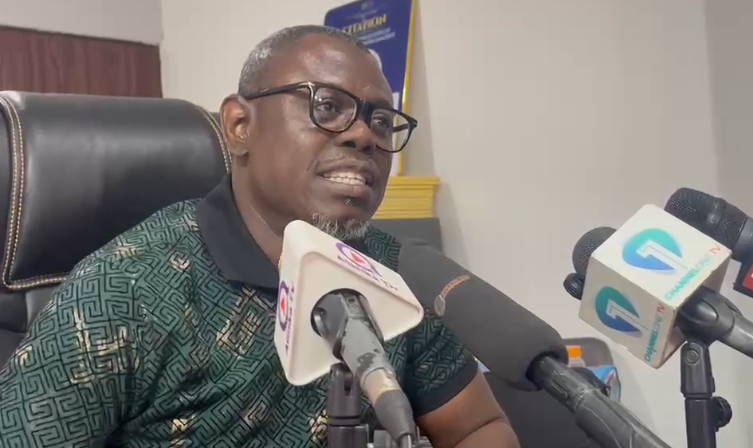
Deputy Director‑General Alexander Twum‑Barimah explained that routine background checks revealed Musah Attah’s occupation as a farmer, with no documentation linking him to any presidential protection unit. He emphasized that security teams for the President and Vice‑President operate as separate entities, making simultaneous assignment to both impossible.
The commission dismissed the claim made by MP Vincent Ekow Assafuah that Attah served in both security details. Twum‑Barimah invited the public to verify the personnel rosters of the two security groups, noting that no member had been detained.
Legal Proceedings
The four accused have been charged with conspiracy to export narcotic drugs without a licence and with the exportation of narcotic drugs. All have entered pleas of not guilty and remain in custody pending a hearing scheduled for 13 October. A fifth suspect, Dutch national Jos Leijdekkers, remains at large.
The court’s decision to remand the defendants underscores the seriousness with which Ghanaian authorities are treating trans‑national drug trafficking, while also highlighting procedural safeguards that allow the accused to contest the charges.
Looking Ahead
NACOC has indicated that investigative work will continue to determine the precise route by which the cocaine left Ghanaian ports and to identify any additional actors. The agency also called on political parties to refrain from exploiting the case for partisan gain.
Future outcomes may influence Ghana’s international reputation regarding drug enforcement and could prompt reforms in cargo inspection protocols at major seaports.

0 Comments
Leave a Comment
No comments yet. Be the first to share your thoughts!