
Key Takeaways
- Malawi topped the mini-league in Group C of the Africa Cup of Nations qualifiers.
- Zambia finished third in the mini-league but had a superior goal difference across all three matches.
- The ranking was carried over directly to decide the final positions in the full Group C table.
- The outcome could have been altered if Zambia had scored an additional goal in their two matches against Malawi and Nigeria.
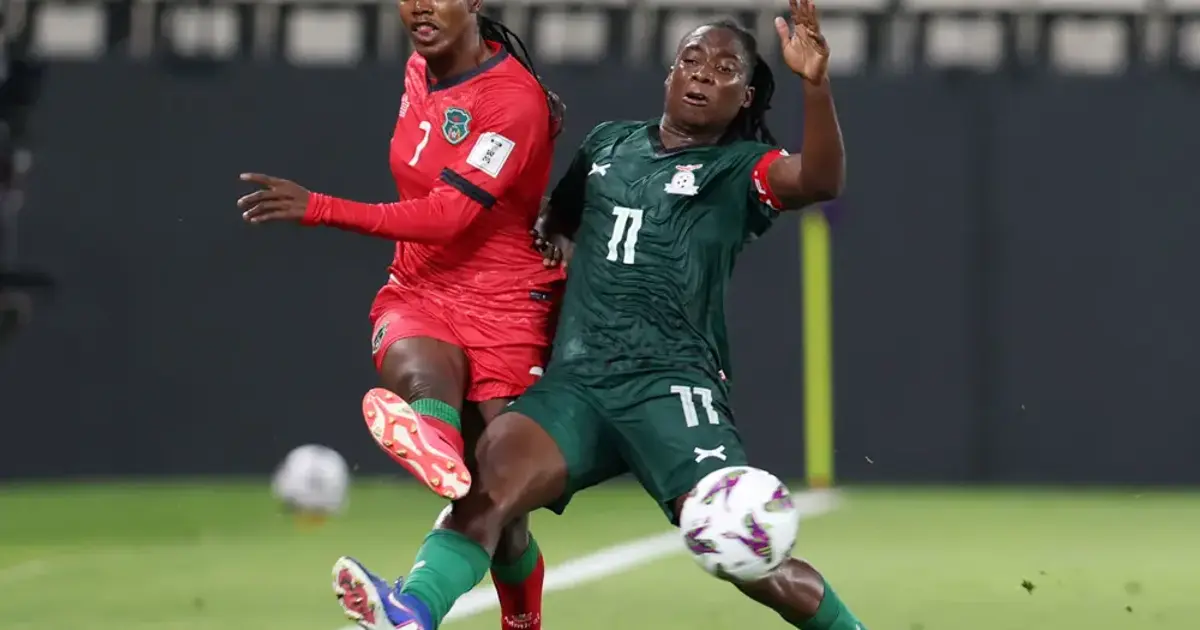
The Africa Cup of Nations qualifiers have witnessed several dramatic moments, but the Group C finish has left many questioning the decision-making process of the Confederation of African Football (CAF). The mini-league saw Malawi finish top, Nigeria second, and Zambia third, with the ranking then carried over to decide the final positions in the full Group C table.
A closer examination of the matches reveals that Zambia's overall goal difference across all three matches was far superior to the sides above them. However, the CAF rules do not account for overall goal difference when three teams are level, as was the case with Malawi, Nigeria, and Zambia.
Background & Context
The Africa Cup of Nations is a premier international football tournament that brings together the best teams from the African continent. The qualifiers are a crucial part of the competition, determining which teams will advance to the next stage. The Group C finish has raised questions about the fairness of the system and whether Zambia was unfairly penalized.
The CAF rules state that when three teams are level, the tiebreak is decided by the number of points earned in head-to-head matches, followed by goal difference in all matches played. However, this rule does not prioritize overall goal difference, which in this case, would have seen Zambia finish above Malawi.
Key Findings
The mini-league saw Malawi earn four points from two matches, while Nigeria earned three points from two matches. Zambia, despite having a superior goal difference, finished with three points from two matches, which was the lowest among the three teams.
The outcome could have been altered if Zambia had scored an additional goal in their two matches against Malawi and Nigeria. In that scenario, Zambia would have finished level with Malawi on four goals apiece, sending the tiebreak to the next stage.
Broader Implications
The Group C finish has raised questions about the fairness of the CAF system and whether it prioritizes overall goal difference when teams are level. The outcome has sparked debate among football enthusiasts and experts, with some calling for a re-evaluation of the rules.
The Africa Cup of Nations is one of the most prestigious football tournaments in Africa, and the Group C finish has the potential to impact the competition's credibility. The CAF must address the concerns raised by the Group C finish and ensure that the system is fair and transparent.
Looking Ahead
The Group C finish has left Zambia with a disappointing outcome, but the team can still learn from the experience. Zambia's superior goal difference across all three matches is a testament to their impressive performance, and they must build on this momentum in future matches.
The CAF must address the concerns raised by the Group C finish and ensure that the system is fair and transparent. The outcome of the tournament will depend on the decisions made by the CAF, and it is essential that the organization prioritizes fairness and sportsmanship.





0 Comments
Leave a Comment
No comments yet. Be the first to share your thoughts!