
Key Takeaways
- African lithium deposits are estimated at roughly US$9 trillion.
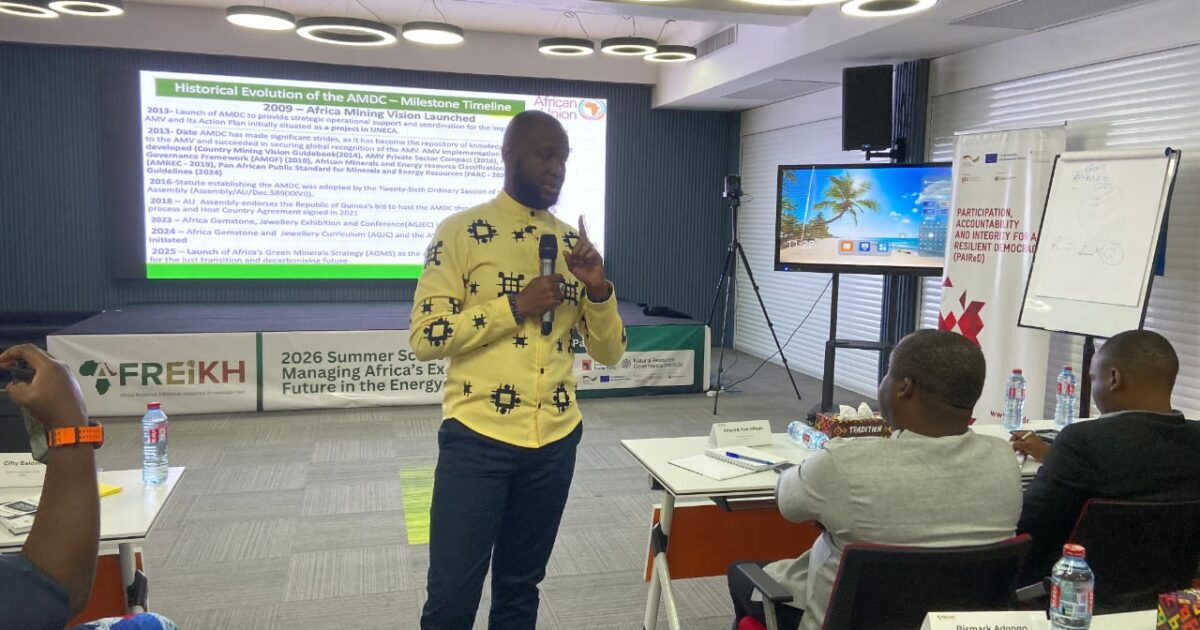
- Experts at the ACEP Summer School urged a shift from raw‑material exports to an integrated lithium value chain across the continent.
- Regional specialization and coordinated financing could keep most of the wealth within Africa.
- Stock exchanges in Nigeria and Ghana are being positioned as potential capital‑raising platforms for lithium projects.
The Africa Centre for Energy Policy convened a summer school in Accra that gathered civil‑society representatives, journalists and extractive‑sector specialists from fifteen nations. Participants examined how the emerging demand for lithium—driven by electric‑vehicle batteries and grid‑scale storage—might be redirected into a home‑grown industrial ecosystem.
Speakers highlighted the disparity between the continent’s mineral endowment and its current export‑oriented model, arguing that a coordinated approach could transform raw ore into high‑value products, jobs and technological capability.
Strategic Value Chain Development
Building a complete lithium value chain involves upstream mining, midstream processing of spodumene or lithium‑bearing brines, and downstream battery‑grade chemical production. African states can allocate distinct segments according to existing comparative advantages. Nations with established heavy‑equipment sectors could supply mining machinery, while those with chemical engineering expertise could focus on conversion facilities.
Such a division of labour mirrors the European Union’s “value‑chain specialization” model, which allowed member states to collectively dominate high‑tech markets despite varying levels of industrial maturity. Applying a similar framework to Africa would require harmonised standards, shared research institutions and cross‑border logistics corridors.
Economic and Industrial Implications
Historically, the continent’s mineral wealth—gold, copper, oil—has been exported in raw form, delivering limited fiscal returns and fostering enclave economies. Transitioning to lithium processing could reverse that pattern, generating multiplier effects in manufacturing, services and export diversification. Estimates suggest that each tonne of refined lithium could yield tenfold the revenue of an equivalent ton of ore.
Job creation would extend beyond mining crews to engineers, chemists, data analysts and logistics professionals. Moreover, a domestic supply of battery components could lower costs for local renewable‑energy projects, accelerating electrification and reducing reliance on imported fossil fuels.
Policy, Finance, and Regional Integration
Realising the vision demands more than technical know‑how; it requires policy coherence and sizable capital. Participants proposed leveraging the Nigerian and Ghanaian stock exchanges as conduits for sovereign‑green bonds and private‑equity inflows, tapping into growing investor appetite for climate‑aligned assets.
Regional integration bodies such as the African Continental Free Trade Area (AfCFTA) could provide the legal and regulatory backbone for a continent‑wide market for lithium inputs and services. Aligning customs duties, harmonising environmental standards and establishing a shared credit rating framework would reduce transaction costs and attract multinational partnerships.
Looking Ahead
The next decade will test whether African leadership can convert the projected $9 trillion lithium bounty into a self‑sustaining industrial sector. Success will hinge on coordinated investment, the ability to retain technical talent, and the political will to prioritize long‑term prosperity over short‑term export revenues.
Monitoring the outcomes of pilot projects and the scaling of regional financing mechanisms will be critical indicators of progress. If the continent navigates these challenges, lithium could become a cornerstone of a broader economic transformation, reshaping Africa’s role in the global clean‑energy supply chain.





0 Comments
Leave a Comment
No comments yet. Be the first to share your thoughts!