
Key Takeaways
- More than 3,000 apprentices received start‑up kits after completing six‑month training.
- Kits include sewing machines, hairdressing tools and other trade equipment.
- Distribution covers all 43 districts of the Ashanti Region.
- YEA emphasizes merit‑based allocation, excluding trainees who did not finish.
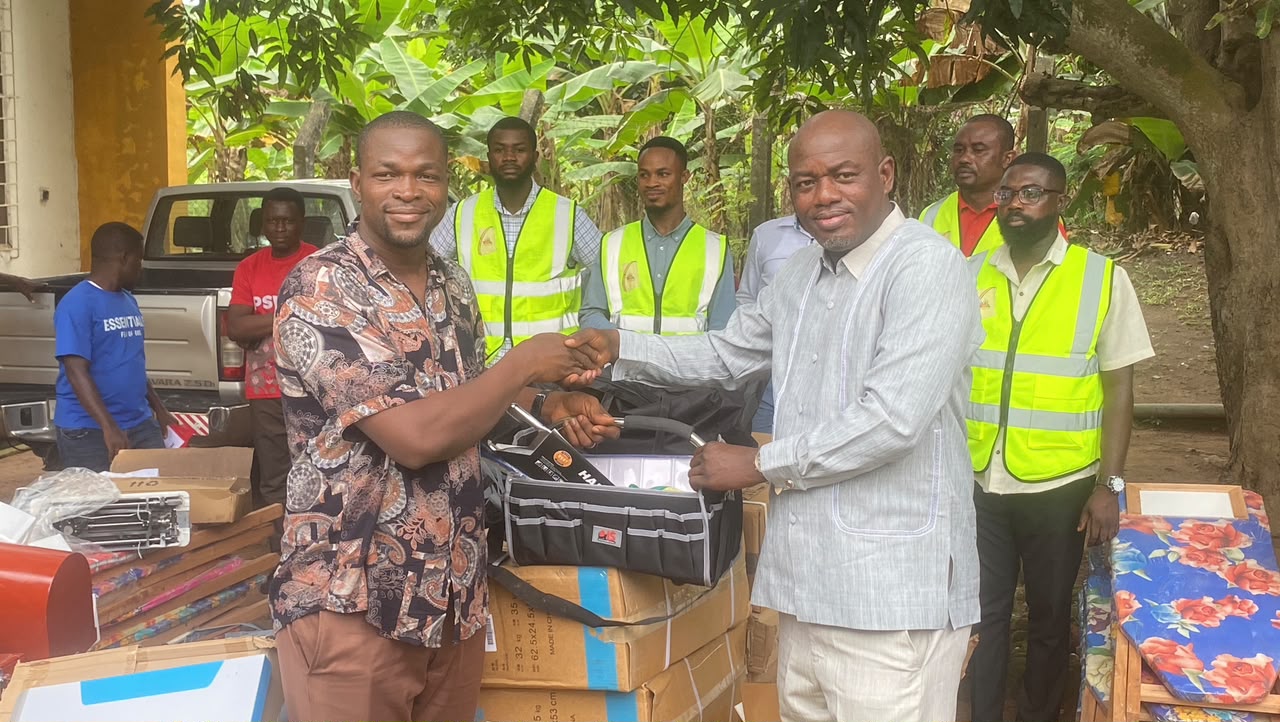
The Youth Employment Agency’s Ashanti Regional Directorate concluded a six‑month apprenticeship programme by delivering start‑up kits to over 3,000 young graduates. The handover ceremony involved district directors who will allocate the equipment to qualified beneficiaries in their localities.
The initiative targets sectors such as industrial tailoring, hairdressing, masonry and carpentry, providing tangible assets that enable participants to launch micro‑enterprises.
Program Overview
The apprenticeship scheme enrolled applicants through an online portal, followed by district‑level shortlisting. Participants underwent intensive training in 19 skilled trades, receiving certification upon successful completion. The curriculum aligns with Ghana’s national youth employment strategy, which seeks to shift labor from informal to productive sectors.
Historical unemployment rates among Ghanaian youth have hovered above 20 percent, prompting successive governments to invest in vocational pathways. The YEA, established in 2016, has become a primary conduit for such interventions, leveraging public‑private partnerships to scale training capacity.
Implementation and Distribution
Regional Director Seth Atanga oversaw the transfer of equipment to district directors, stressing strict adherence to validation criteria. Beneficiaries who failed to complete the training were excluded from receiving kits, a measure intended to preserve resources for committed participants.
Each district received a mix of tools calibrated to the local demand for services—industrial sewing machines for textile hubs, hairdressing kits for urban salons, and carpentry tools for construction‑focused communities. District officials pledged transparent distribution, rejecting political patronage.
Implications for Youth Employment
Equipping trainees with capital assets addresses a critical gap in Ghana’s entrepreneurship ecosystem, where access to startup financing remains limited. By converting skills into income‑generating activities, the programme aims to reduce reliance on informal labor and curb urban migration.
Early monitoring suggests that similar YEA interventions have yielded modest revenue growth for participants, though long‑term impact depends on market saturation and supportive credit facilities. The Ashanti rollout provides a test case for scaling the model nationwide.
Looking Ahead
The YEA plans to monitor kit utilization through quarterly reports from district directors, adjusting allocations based on uptake and business performance. Future phases may incorporate mentorship and micro‑loan components to strengthen sustainability.
Continued government commitment to vocational training will be essential as Ghana confronts a projected youth labor surplus in the next decade. Effective implementation in Ashanti could inform policy refinements across other regions.




0 Comments
Leave a Comment
No comments yet. Be the first to share your thoughts!