
Key Takeaways
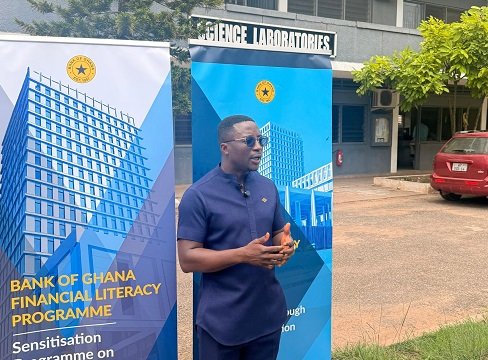
- The Bank of Ghana has launched a financial literacy programme for senior high school students in the Western Region to equip them with knowledge and skills for informed financial decisions.
- The initiative aims to promote financial inclusion and strengthen financial literacy among young people by exposing them to key banking concepts and responsible financial practices.
- The programme covers topics such as responsible savings, personal banking information safeguarding, and complaint resolution procedures.
The Bank of Ghana has intensified its efforts to promote financial inclusion and literacy among young people through a one-day educational programme for students and teachers from selected senior high schools in the Western Region. The initiative, which forms part of the central bank's broader financial education strategy, aims to equip students with the knowledge and skills needed to make informed financial decisions.
The programme, which includes Archbishop Porter Girls' Senior High School, Ghana Senior High School, and other institutions, covered a wide range of topics such as responsible savings and investment, identifying Bank of Ghana-licensed financial institutions, and safeguarding personal banking information.
Background & Context
The Bank of Ghana has a history of promoting financial literacy and inclusion through various public education campaigns. The central bank has undertaken several initiatives, including radio and television broadcasts, social media engagement, and direct engagement with market women and other groups, to educate the public on their rights and responsibilities when dealing with financial institutions.
The bank's efforts have been largely focused on adult populations, with the aim of empowering Ghanaians with the knowledge required to make sound financial choices. However, recognizing the importance of financial literacy among young people, the central bank has extended its programme to senior high schools to instil responsible financial habits in students before they enter adulthood.
Key Findings
The programme has been rolled out in the Western and Bono regions, with 10 schools selected in each region. The training focuses on the rights and responsibilities of customers of regulated financial institutions, the importance of protecting banking credentials, and the proper procedures for lodging complaints with financial service providers.
Presentations were made on responsible borrowing, loan guarantees, digital lending services, and the consequences of loan defaults on future access to credit. The programme also addressed misconceptions surrounding the role of a next of kin in banking, clarifying that a next of kin does not automatically inherit funds held in a customer's account upon death.
Broader Implications
The Bank of Ghana's financial literacy programme has significant implications for the country's financial sector. By educating young people on responsible financial practices, the programme aims to promote financial inclusion and stability, ultimately contributing to the country's economic growth and development.
The programme also has the potential to foster a culture of financial awareness and responsibility among Ghanaians, encouraging them to make informed decisions and avoid financial pitfalls. This, in turn, can lead to improved financial outcomes and a stronger financial system.
Looking Ahead
The Bank of Ghana's financial literacy programme is an essential step towards promoting financial inclusion and literacy among young people. As the economy continues to evolve, it is crucial that young people are equipped with the knowledge and skills needed to navigate the financial markets and make informed decisions.
The success of the programme will depend on its ability to reach a wider audience and engage with more schools and communities. With the central bank's commitment to financial education, there is hope for a more financially literate and responsible population, ultimately contributing to the country's economic growth and development.





0 Comments
Leave a Comment
No comments yet. Be the first to share your thoughts!