
Key Takeaways
- The suspect in the Berlin Pride attack has been shot and killed by police.
- Authorities believe the attack was likely an 'Islamist terror attack.'
- One woman was killed and at least 29 others were injured in the attack.
- The suspect, Abdul Ballout, had a history of radicalization and affiliation with the Islamist scene.
The German city of Berlin was plunged into chaos on Saturday evening when a white van was driven into a crowd of people near Tiergarten park, killing one woman and injuring at least 29 others. The attack also involved a stabbing spree, with several people injured.
The attack occurred during Berlin's Christopher Street Day, one of Europe's largest and most famous Pride events, which attracts hundreds of thousands of people each year. The event commemorates the first known uprising among the LGBT community in New York City in 1969.
Background & Context
The suspect, Abdul Ballout, was a 21-year-old German citizen with Lebanese heritage. He had a history of radicalization and affiliation with the Islamist scene, and had previously been arrested and sentenced for incitement to religious and sectarian conflict in Lebanon in 2025.
Ballout had also been convicted of assault and robbery in 2022, and of robbing a victim of headphones in 2020. He was sentenced to one year and 10 months in prison for 'preparing a serious act of violence endangering the state' in May of this year, but was deferred for six months and placed under the supervision of a parole officer.
Key Findings
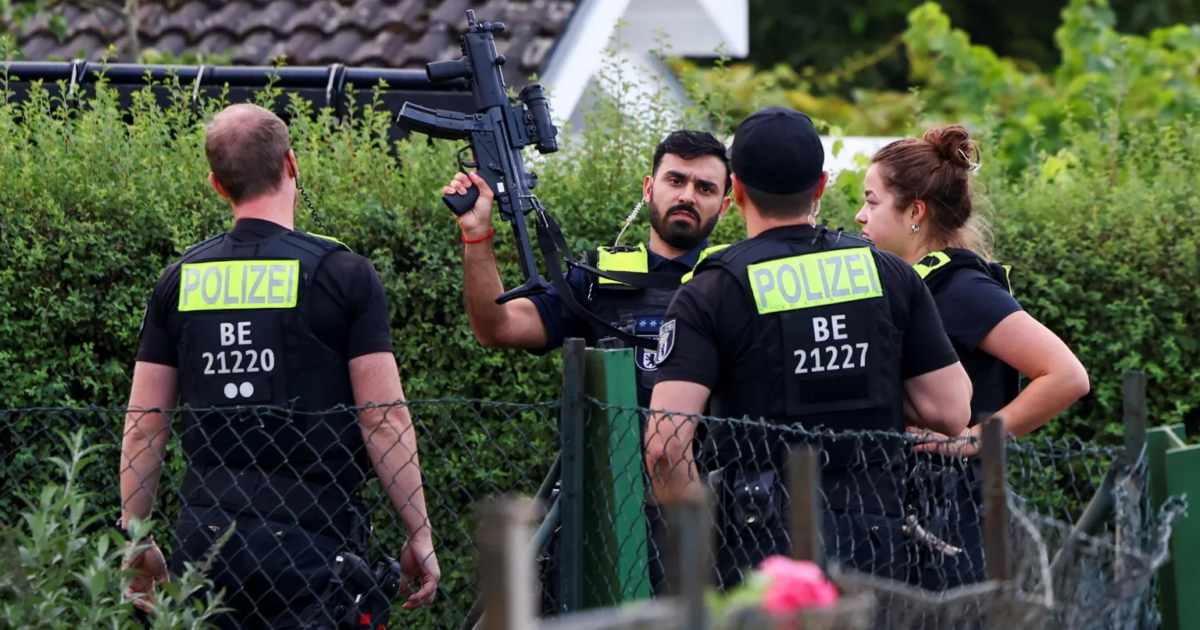
Police opened fire on Ballout when he rushed at them with a knife in Spandau, a western borough of Berlin. The operation brought an end to a massive manhunt that was launched after the attack.
German Interior Minister Alexander Dobrindt said evidence pointed to it being an 'Islamist terror attack.' He also stated that Germany's threat level would be raised following the attack, and that other states were being briefed about the attack and advised to review their security measures for major events.
Broad Implications
The attack has sent shockwaves through the LGBT community, which is still reeling from the aftermath of the attack. The event was meant to be a celebration of freedom and openness, but it was marred by violence and extremism.
Speakers at an impromptu vigil at the iconic Brandenburg Gate condemned extremism in all its manifestations, but also criticized the government for a lack of support, singling out recent budget cuts for queer organisations.
Looking Ahead
The German government has pledged to 'defend the freedom and openness of our lives' in the face of terrorism. Chancellor Friedrich Merz visited the scene of the attack and pledged to take action against extremism.
The attack has also raised questions about the effectiveness of Germany's counter-terrorism measures, and whether more needs to be done to prevent such attacks in the future.




0 Comments
Leave a Comment
No comments yet. Be the first to share your thoughts!