
Key Takeaways
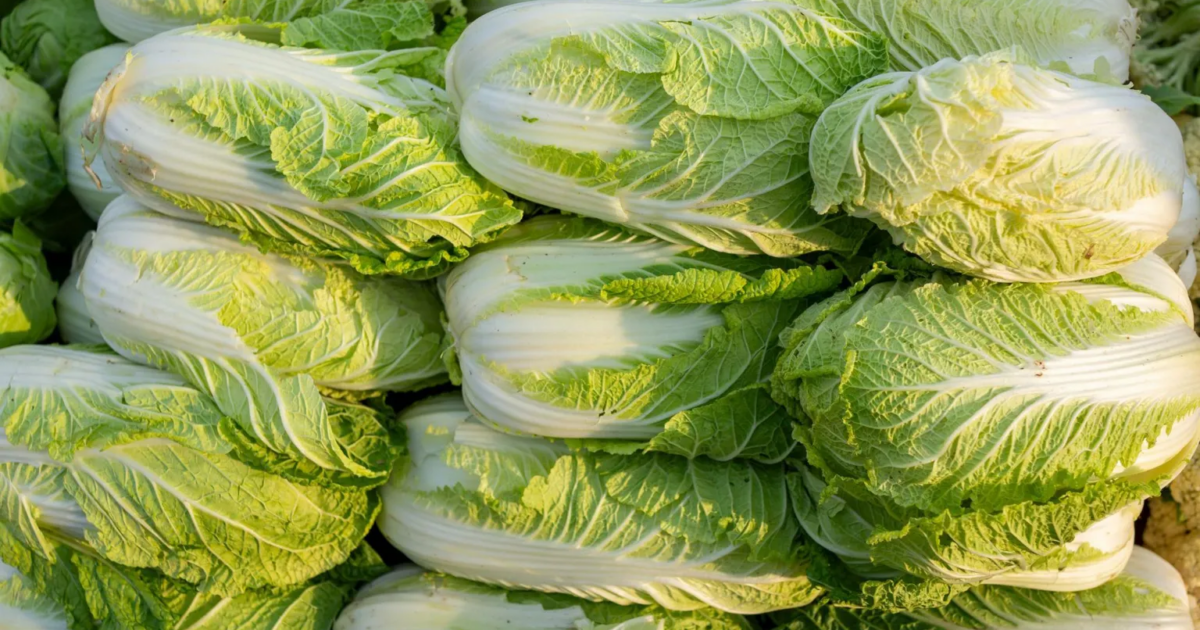
- Authorities in Hebei province confirmed footage of cabbages being dipped in formaldehyde before transport.
- Formaldehyde, a known carcinogen, is banned for food preservation in China.
- Police have detained those involved and spot checks are underway nationwide.
- China, producing over 30 million tonnes of cabbage annually, faces potential export scrutiny.
Video released by an environmental blogger showed workers immersing fresh cabbages in a clear solution before loading them onto trucks. The footage, verified by officials in Hebei, prompted immediate legal action and a nationwide investigation.
State media reported that the practice violates Chinese food‑safety regulations and that authorities are moving to restore consumer confidence through market inspections and traceability measures.
Background & Context
Cabbage is a staple vegetable in China and a major export commodity, accounting for nearly half of global production. The crop’s short shelf life makes it vulnerable to spoilage, creating pressure on distributors to extend freshness. Historically, Chinese food‑safety agencies have cracked down on illicit preservatives, yet the scale of this incident suggests systemic gaps in monitoring.
Formaldehyde is a colourless chemical used to preserve biological specimens and disinfect surfaces. Its application to food is prohibited because prolonged exposure is linked to nasopharyngeal cancers and other health risks. International standards, including those of the Codex Alimentarius, categorically forbid formaldehyde in edible products.
Regulatory Response
Police in Kangbao county have detained the individuals captured on video, citing violations of the Food Safety Law. The investigation is being coordinated with the State Administration for Market Regulation, which has ordered spot checks in wholesale markets, supermarkets, and transport hubs across the country.
Beijing’s Xinfadi market, a key distribution node for fresh produce, issued a statement confirming that none of the inspected cabbages entered its supply chain. The People's Daily editorial condemned the wholesalers for prioritising profit over public health, emphasizing that such conduct breaches both legal and moral standards.
Broader Implications
Should the practice be found more widespread, China could face heightened scrutiny from importing nations such as Vietnam, South Korea, and Russia. Trade partners may demand stricter certification, potentially disrupting supply chains that rely on Chinese cabbage exports.
The episode underscores the tension between rapid commercial turnover and rigorous safety oversight. It also highlights the role of citizen journalism in exposing violations that might otherwise remain hidden, prompting faster regulatory action.
Looking Ahead
Investigators are expected to publish a detailed report on the prevalence of formaldehyde use and to recommend corrective measures for the supply chain. Strengthening traceability technologies, such as blockchain‑based provenance records, could become a policy focus to deter future infractions.
Consumer confidence will hinge on transparent communication from both government agencies and market operators. Ongoing monitoring and swift enforcement are likely to shape the narrative around food safety in China’s agricultural sector for the foreseeable future.





0 Comments
Leave a Comment
No comments yet. Be the first to share your thoughts!