
Key Takeaways
- Corruption within local government structures is a major obstacle to effective urban planning and environmental management in Ghana.
- The Ghana Federation of Labour attributes flooding challenges to corruption in Metropolitan, Municipal and District Assemblies (MMDAs).
- Improved urban planning and environmental protection measures are needed to mitigate the impact of heavy rains.
- The labour federation has called for the strengthening of local government institutions to address corruption and promote sustainable development.
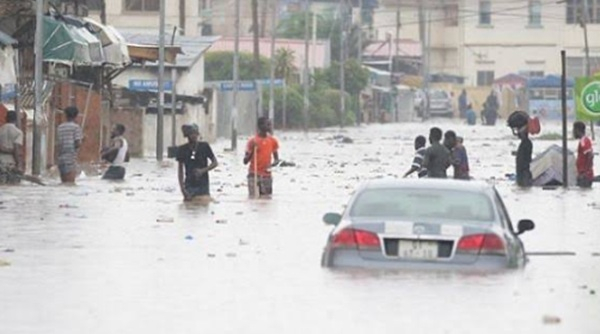
Ghana has long struggled with the challenges of persistent flooding, particularly in urban areas. The recent heavy rains have once again highlighted the need for effective urban planning and environmental protection measures. In this context, the Secretary-General of the Ghana Federation of Labour (GFL), Abraham Koomson, has shed light on the critical role of corruption in local government structures in hindering these efforts.
According to Koomson, corruption within Metropolitan, Municipal and District Assemblies (MMDAs) is a major obstacle to effective urban planning and environmental management. This corruption, he noted, is particularly prevalent in the areas of physical planning and development control. The resulting lack of effective planning and regulation has led to the proliferation of unauthorised developments, which in turn exacerbate flooding challenges.
Background & Context
Flooding is a perennial issue in Ghana, with the country experiencing frequent heavy rains that cause widespread damage and loss of life. The recent floods in several parts of the country have once again raised concerns about the effectiveness of urban planning and environmental protection measures. While the government has implemented various initiatives to address these challenges, the impact of corruption within local government structures remains a significant hurdle.
In Ghana, the MMDAs are responsible for planning and implementing urban development projects. However, the lack of effective oversight and regulation has created an environment conducive to corruption. This has led to the proliferation of unauthorised developments, which not only exacerbate flooding challenges but also undermine the overall integrity of urban planning and development control.
Key Findings
The GFL's findings on the role of corruption in local government structures are consistent with previous research on the subject. Studies have shown that corruption within local government institutions can have far-reaching consequences, including the erosion of public trust, the undermining of democratic institutions, and the perpetuation of inequality.
In the context of urban planning and environmental management, corruption can have devastating consequences. It can lead to the proliferation of unauthorised developments, which in turn exacerbate flooding challenges and undermine the overall integrity of urban planning and development control.
Broad Implications
The GFL's call for the strengthening of local government institutions to address corruption and promote sustainable development has broader implications for Ghana's development agenda. The country's ability to achieve the Sustainable Development Goals (SDGs) will depend, in part, on its ability to address corruption within local government structures.
The strengthening of local government institutions will require a multifaceted approach, including the implementation of effective oversight mechanisms, the promotion of transparency and accountability, and the enhancement of citizen participation in urban planning and development decision-making.
Looking Ahead
The GFL's findings on the role of corruption in local government structures highlight the need for a renewed commitment to addressing corruption and promoting sustainable development. The government, civil society, and other stakeholders must work together to strengthen local government institutions and promote effective urban planning and environmental management.
The future of Ghana's urban planning and development agenda depends on the ability to address corruption within local government structures. The GFL's call for action is a timely reminder of the need for a collective effort to promote sustainable development and mitigate the impact of heavy rains.





0 Comments
Leave a Comment
No comments yet. Be the first to share your thoughts!