
Key Takeaways
- Development Bank Ghana reaffirms its commitment to mobilizing long-term capital for private sector growth and inclusive economic development.
- The bank prioritizes improving access to finance for women and young entrepreneurs as an economic growth strategy.
- Professor Randolph Nsor-Ambala emphasizes that increasing access to credit for women entrepreneurs leads to stronger business performance and broader economic development.
- The bank's efforts aim to strengthen Ghana's private sector and promote economic growth.
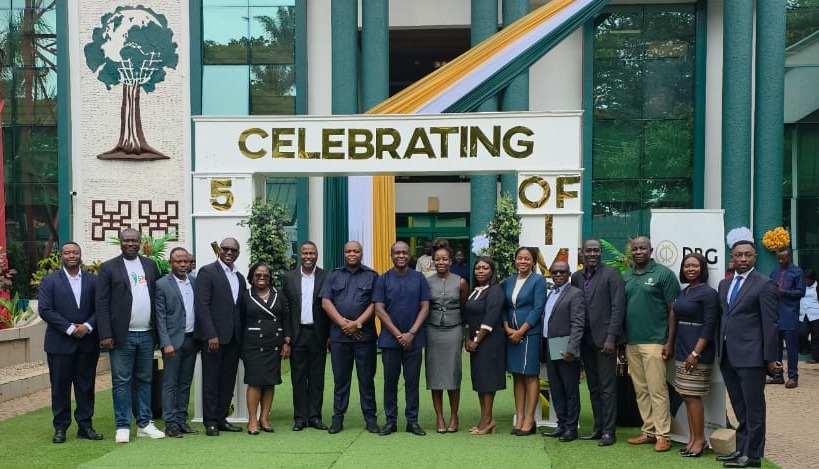
Development Bank Ghana (DBG) marked its fifth anniversary by reaffirming its commitment to mobilizing long-term capital for Ghana's private sector and promoting inclusive economic growth. The bank's customer appreciation and business dialogue event highlighted its dedication to driving economic development through accessible finance.
The bank's CEO, Professor Randolph Nsor-Ambala, emphasized the significance of improving access to finance for women and young entrepreneurs, viewing it as an economic growth strategy rather than a social intervention. This approach recognizes the potential of women-led businesses to drive economic growth and create employment opportunities.
Background & Context
Ghana's private sector has faced significant challenges, including limited access to long-term capital. DBG's efforts aim to address this gap by providing financing options for businesses and promoting economic growth. The bank's anniversary celebrations serve as a reminder of its commitment to driving economic development through inclusive finance.
DBG's focus on women and young entrepreneurs is also part of a broader effort to promote gender equality and social inclusion. By improving access to credit and finance, the bank aims to empower these groups and create more sustainable and equitable economic growth.
Key Findings
Professor Nsor-Ambala noted that increasing access to credit for women entrepreneurs leads to stronger business performance, higher employment, and improved household incomes. This is in line with global research that highlights the potential of women-led businesses to drive economic growth and create employment opportunities.
The bank's efforts are also aligned with Ghana's development goals, including the Sustainable Development Goals (SDGs) and the African Union's Agenda 2063. DBG's commitment to mobilizing long-term capital for private sector growth is a crucial step towards achieving these goals and promoting inclusive economic development.
Broader Implications
DBG's approach to improving access to finance for women and young entrepreneurs has broader implications for Ghana's economy. By promoting women-led businesses and creating employment opportunities, the bank can help reduce poverty and inequality, while also driving economic growth.
The bank's efforts also set a precedent for other financial institutions to follow. By prioritizing inclusive finance and promoting women-led businesses, DBG can help create a more sustainable and equitable economic environment.
Looking Ahead
As DBG continues to commemorate its anniversary, the bank remains committed to its mission of mobilizing long-term capital for private sector growth and inclusive economic development. The bank's efforts will continue to focus on improving access to finance for women and young entrepreneurs, while also promoting economic growth and social inclusion.






0 Comments
Leave a Comment
No comments yet. Be the first to share your thoughts!