
Key Takeaways
- Rema emphasizes personal artistic choice over fan-driven formulas.
- He argues that exclusive focus on current fan preferences may hinder Afrobeats’ growth.
- The comments arrive as artists increasingly blend foreign influences, sparking debate among purists.
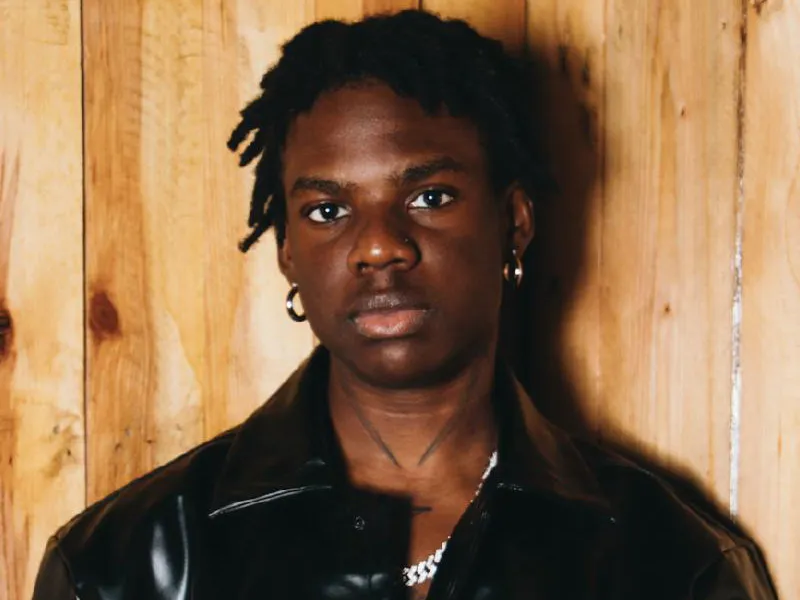
At a recent concert, Nigerian singer‑songwriter Divine Ikubor, known professionally as Rema, articulated a vision for Afrobeats that places creative risk ahead of commercial safety. The performance, which attracted a sizable crowd, became a platform for the artist to outline his philosophy on the future of the genre.
Rema’s declaration that he creates music for himself before seeking audience approval underscores a broader tension within African popular music: the balance between cultural authenticity and global marketability.
Background & Context
Afrobeats, a hybrid of West African rhythms and contemporary pop sensibilities, has surged onto the world stage over the past decade. International charts now feature tracks that blend traditional percussion with electronic production, and collaborations with Western artists have become commonplace. This expansion has prompted a wave of experimentation, with many musicians incorporating elements from dancehall, hip‑hop, and even Latin pop.
While the genre’s global reach has boosted visibility for African talent, critics argue that an overreliance on external sounds risks diluting its core identity. Social media platforms have amplified these concerns, as fans voice disappointment when new releases stray far from the rhythmic foundations that originally defined Afrobeats.
Rema’s Position and Rationale
During his set, Rema labeled himself the “Prince of Afrobeats” and asserted a responsibility to push the genre forward. He emphasized that personal enjoyment should precede audience approval, suggesting that innovation stems from artistic freedom rather than market pressure. By positioning himself as a catalyst for change, he challenges peers to prioritize originality over formulaic hits.
The artist’s stance reflects a broader artistic lineage in which creators have historically resisted commercial conformity. In the African context, this mirrors earlier movements where musicians used indigenous sounds to articulate social narratives, rather than merely catering to consumer trends.
Industry Response and Cultural Debate
Reactions from the music community have been mixed. Some industry insiders praise Rema’s candor, viewing it as a necessary push against complacency. Others caution that alienating core audiences could jeopardize the genre’s commercial viability, especially as record labels invest heavily in cross‑border streaming numbers.
Fans of traditional Afrobeats have taken to online forums to express frustration with the influx of foreign production techniques. Simultaneously, younger listeners, accustomed to genre‑blending playlists, often celebrate the eclecticism as a sign of artistic evolution. This dichotomy highlights an ongoing negotiation of cultural ownership within a rapidly globalizing music market.
Looking Ahead
The conversation sparked by Rema’s remarks is likely to influence upcoming releases, as artists weigh the merits of experimentation against the expectations of a loyal fan base. Whether the genre will adopt a more hybridized sound or revert to its roots remains uncertain, but the dialogue underscores the dynamic nature of Afrobeats as both a cultural expression and a commercial enterprise.
Future chart performances and streaming data will provide measurable insights into how audiences respond to this tension between authenticity and adaptation, shaping the trajectory of African popular music for years to come.






0 Comments
Leave a Comment
No comments yet. Be the first to share your thoughts!