
Key Takeaways
- Four workers died when a limited‑express train struck a maintenance crew at Shin‑Kanuma Station.
- The crew was applying herbicide; a lookout system using flags and whistles was reportedly in operation.
- Police are investigating adherence to safety guidelines while Tobu Railway suspended service on the Nikko Line.
- Fatal rail incidents are rare in Japan, prompting industry‑wide review of maintenance protocols.
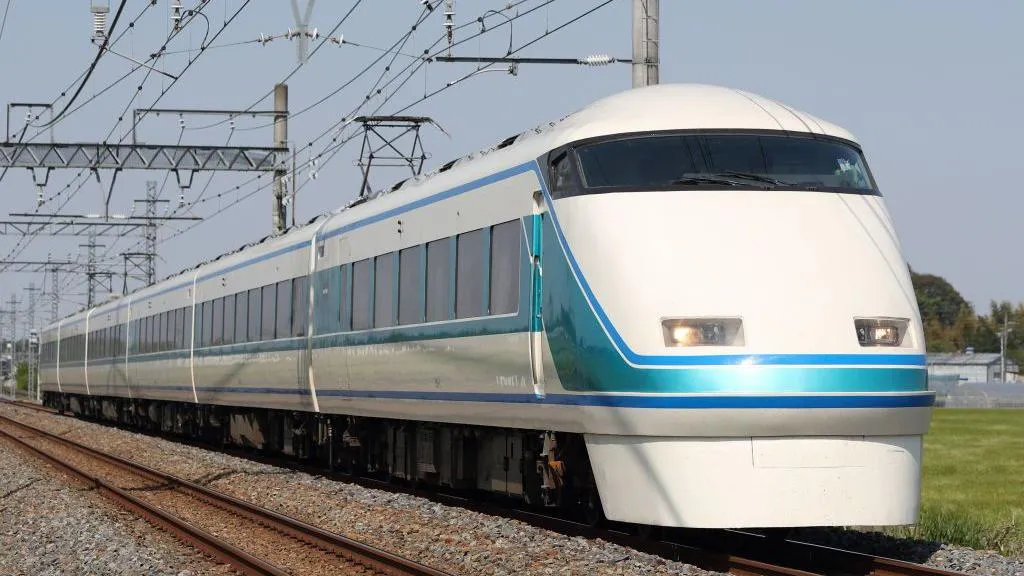
At approximately 10:46 a.m. local time on Thursday, a limited‑express train on the Tobu Nikko Line collided with a team of ten railway workers who were spraying herbicide near Shin‑Kanuma Station, north of Tokyo. Four of the workers, aged in their 50s and 60s, were killed instantly.
The incident halted train operations on the line, and passengers aboard the train reported hearing an unusual noise before the emergency stop. Staff announced an investigation into the cause of the noise while passengers remained on board for an extended period.
Incident Overview
The maintenance crew consisted of a supervisor, three lookouts, and six laborers. Lookouts typically signal approaching trains by waving a yellow flag and using whistles or microphones, a practice intended to give drivers sufficient warning to halt or slow. According to Toban Railway, the standard lookout system was reported as “operating as normal” prior to the collision.
Despite the protocol, the train failed to stop in time, striking the workers as they were positioned on the track. A passenger’s account to NHK described a “strange noise” that preceded the abrupt halt, suggesting a possible failure in communication or a technical malfunction.
Safety Protocols and Investigation
Japanese railway regulations mandate multiple layers of protection for track‑side work, including advance warnings, flag signals, and audible alerts. Police and Tobu Railway officials are now examining whether each layer was correctly applied and whether any procedural deviations occurred.
Initial statements from Tobu Railway’s general manager Takao Suzuki expressed condolences and emphasized an ongoing inquiry. The company has not disclosed whether the lookouts received real‑time train‑approach data or relied solely on visual and auditory cues, a factor that could influence future safety standards.
Historical Context and Industry Implications
Japan’s rail network, renowned for punctuality and safety, records fewer than a handful of fatal accidents annually. The rarity of such events amplifies public and regulatory attention when they occur, often leading to revisions of operational guidelines.
Previous incidents involving maintenance crews have prompted the adoption of automated warning systems and stricter scheduling of work windows. The current case may accelerate the integration of digital tracking and remote signaling technologies to supplement traditional flag‑based methods.
Looking Ahead
Authorities are expected to release a detailed report outlining any lapses in protocol and recommending corrective actions. Industry observers anticipate that Tobu Railway and other operators will reassess crew deployment practices, potentially mandating additional safety personnel or automated detection systems for high‑speed lines.
The suspension of service on the Nikko Line underscores the operational impact of such accidents, reinforcing the need for robust preventive measures to protect both workers and passengers on Japan’s densely used railway corridors.




0 Comments
Leave a Comment
No comments yet. Be the first to share your thoughts!