
Key Takeaways
- The Chamber of Petroleum Consumers (COPEC) warns of potential fuel price increases in Ghana due to rising global crude oil prices.
- Executive Director Duncan Amoah attributes the recent price adjustments to international market developments.
- The Tema Oil Refinery (TOR) is exposed to international price fluctuations due to commercial terms for crude supply.
- COPEC urges the Ghana National Petroleum Corporation and Ministry of Energy to review the supply arrangement to use locally produced crude strategically.
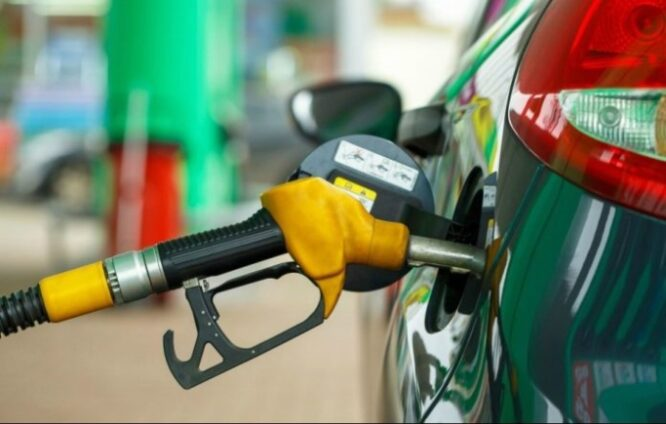
Ghana's fuel prices have been on the rise, with petrol selling at GH₵14.5 per litre and diesel nearing GH₵18. Transport operators are threatening a 30% fare increase unless the government intervenes.
The Chamber of Petroleum Consumers (COPEC) has sounded the alarm on potential further increases in fuel prices in Ghana, citing the ongoing upward trend in global crude oil prices. The warning comes as international crude oil and refined petroleum product prices continue to climb, affecting local pump prices.
Background & Context
Fuel prices have been a contentious issue in Ghana, with transport operators and consumers bearing the brunt of the hikes. The recent upward adjustments in local pump prices have sparked concerns over the impact on the economy and livelihoods.
The country's reliance on imported crude oil makes it vulnerable to fluctuations in global prices. The Tema Oil Refinery (TOR), the country's sole refinery, purchases crude on commercial terms, exposing it to international price movements.
Key Findings
A recent assessment by COPEC indicates that the crude supplied to TOR is purchased at prevailing international market prices, rather than benefiting from any special pricing arrangement. This commercial supply arrangement leaves Ghana exposed to global price fluctuations.
COPEC's Executive Director, Duncan Amoah, emphasized that the current fuel prices are fair based on international market developments. He attributed the recent price adjustments to the rising trend in global crude oil prices, citing the example of the United States, where fuel prices had declined before increasing again.
Broader Implications
The potential for further fuel price increases has significant implications for the Ghanaian economy. Transport operators are already threatening a 30% fare increase, which could have far-reaching consequences for the economy and consumers.
The reliance on imported crude oil also raises concerns over energy security and the country's ability to cushion itself from global price fluctuations. COPEC's call for a review of the supply arrangement to use locally produced crude strategically is timely, given the current challenges.
Looking Ahead
The Ghana National Petroleum Corporation and Ministry of Energy are urged to review the current supply arrangement to determine whether Ghana's locally produced crude can be used more strategically to cushion consumers from persistent increases in fuel prices.
COPEC's warning serves as a reminder of the need for a sustainable and strategic approach to managing fuel prices in Ghana. The government's response to this challenge will be crucial in determining the country's energy security and economic prospects.





0 Comments
Leave a Comment
No comments yet. Be the first to share your thoughts!