
Key Takeaways
- Majority Leader James Agalga advises Parliament to postpone a separate inquiry into the recent cocaine seizure.
- Law enforcement agencies have already made arrests and seized approximately one kilogram of cocaine believed to originate from Ghana.
- Officials warn that parallel investigations could generate conflicting conclusions and undermine legal outcomes.
- The debate underscores broader concerns about national security and Ghana's international reputation.
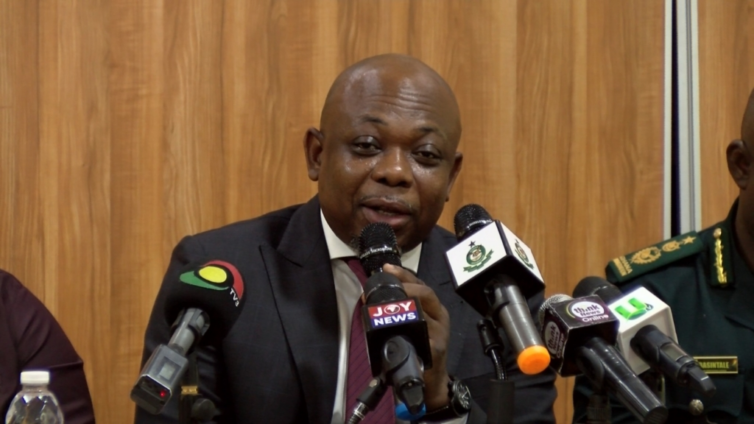
In a televised interview on Joy FM’s Newsnight, Majority Leader James Agalga cautioned against launching a parliamentary probe while security forces continue their investigation into a large cocaine consignment intercepted by French authorities. The minority bloc had called for a bipartisan inquiry, citing the potential impact on Ghana’s name abroad.
Agla’s remarks highlighted that several suspects are already in custody, with court remand indicating that investigative work is ongoing. He argued that adding a legislative layer at this juncture could produce divergent findings and erode the coherence of the justice process.
Parliamentary Perspective
The majority’s position rests on the principle of procedural efficiency. By allowing law enforcement to complete their forensic analysis, chain‑of‑custody documentation, and prosecutorial preparation, the government seeks to avoid duplication of effort. Agalga warned that separate parliamentary fact‑finding could result in “absurd” scenarios where differing bodies reach contradictory conclusions, complicating any eventual legal resolution.
Critics within the minority argue that parliamentary oversight is essential for transparency, especially when the case involves cross‑border drug trafficking that could implicate high‑level officials. They contend that a legislative review would reinforce accountability and reassure the public that the matter receives comprehensive scrutiny.
Security Agencies’ Ongoing Investigation
According to the Majority Leader, the security apparatus has already seized a substantive quantity of cocaine—estimated at roughly one kilogram—and collected forensic samples. Arrests have been made, and several individuals have been arraigned before the courts, where they remain on remand pending further evidence gathering.
Forensic experts are reportedly conducting purity tests and tracing the shipment’s logistical trail, which points to Ghana as the point of origin before the consignment was intercepted in France. The outcome of these analyses will shape the legal charges and potential diplomatic dialogues with French authorities.
Implications for Governance and International Relations
The episode arrives at a sensitive time for Ghana’s diplomatic standing. International drug control bodies monitor how nations handle transnational narcotics flows, and a high‑profile seizure can affect trade negotiations and aid considerations. A coordinated response that balances thorough investigation with transparent oversight could mitigate reputational damage.
Domestically, the controversy fuels a broader discourse on the effectiveness of parliamentary oversight versus executive autonomy in security matters. Scholars note that while independent investigations safeguard civil liberties, premature legislative intervention may jeopardize operational secrecy and the integrity of evidence.
Looking Ahead
Stakeholders anticipate that once the security agencies finalize their report, Parliament will reconvene to assess any legislative or policy reforms needed to strengthen border controls and inter‑agency cooperation. The next steps may include hearings, amendments to existing drug enforcement statutes, and potential diplomatic engagement with France to trace the supply chain.
In the interim, the government’s emphasis on procedural fidelity aims to ensure that the legal process proceeds without the confusion of overlapping inquiries, preserving both judicial clarity and public confidence.





0 Comments
Leave a Comment
No comments yet. Be the first to share your thoughts!