
Key Takeaways
- The Ghanaian government has mobilized the military to lead the nationwide clean-up efforts following the devastating June 29 floods.
- The Deputy Minister for Defence, Ernest Brogya Genfi, has reaffirmed the government's commitment to restoring affected communities.
- The government is seeking private sector support, including logistics, to complement the military-led operation.
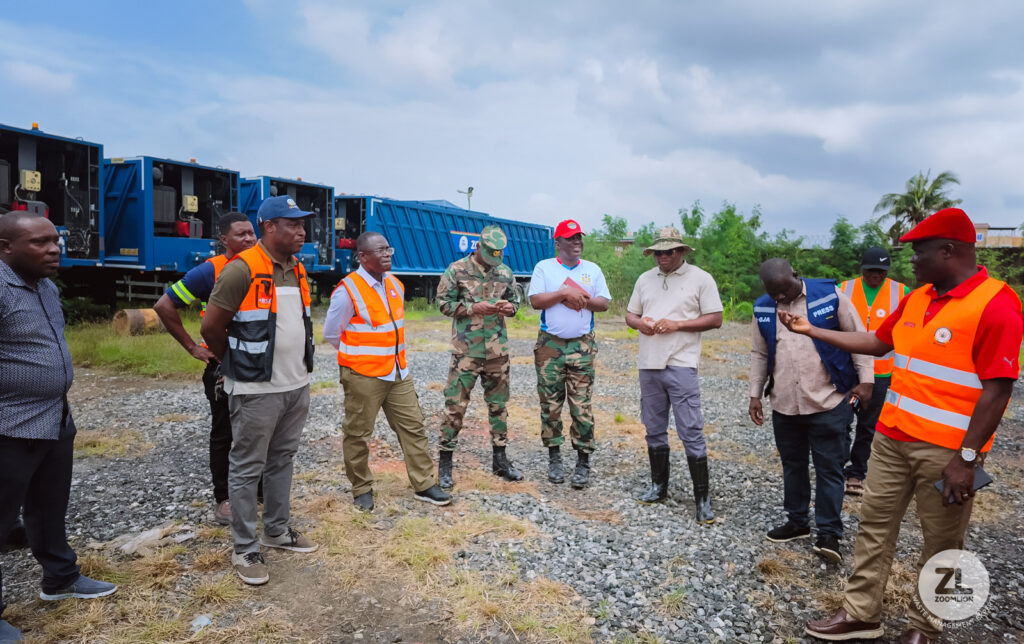
The Ghanaian government has initiated a nationwide clean-up effort in response to the devastating floods that struck the country on June 29. The floods caused widespread destruction and displacement, with many communities left to grapple with the aftermath. Deputy Minister for Defence, Ernest Brogya Genfi, has emphasized the government's commitment to restoring these affected communities, with the military playing a lead role in the clean-up exercise.
Ordered by President John Mahama, the military-led operation aims to restore normalcy to the affected areas as quickly as possible. However, the magnitude of the clean-up operation has necessitated additional logistical support, prompting the government to engage with private sector entities such as the Jospong Group and Zoomlion Ghana Limited.
Background & Context
The June 29 floods were a stark reminder of the country's vulnerability to natural disasters. Ghana's geography, with its numerous rivers and coastline, makes it prone to flash flooding, especially during the rainy season. The government's response to the disaster has been swift, with the military being deployed to assist in the relief efforts.
The involvement of the military in disaster relief efforts is not new in Ghana. The country has a long history of utilizing its military in humanitarian missions, including disaster response and relief operations. The decision to mobilize the military for the clean-up effort reflects the government's commitment to addressing the scale of the disaster and its impact on affected communities.
Key Findings
The government's decision to engage the private sector in the clean-up effort is a significant development in the country's disaster relief response. By partnering with private sector entities, the government aims to leverage their resources and expertise to complement the military-led operation. This collaboration will not only expedite the clean-up process but also ensure that the affected communities receive the necessary support to recover from the disaster.
The involvement of the Jospong Group and Zoomlion Ghana Limited in the clean-up effort is a testament to the government's commitment to engaging the private sector in its disaster relief response. These companies have extensive experience in waste management and logistics, making them ideal partners for the government in this endeavour.
Broad Implications
The nationwide clean-up effort has far-reaching implications for the country's disaster relief response. The government's decision to mobilize the military and engage the private sector in the clean-up effort sets a precedent for future disaster relief operations. This approach acknowledges the importance of collaboration and resource mobilization in responding to disasters and ensuring that affected communities receive the necessary support to recover.
The clean-up effort also highlights the need for the government to invest in disaster risk reduction and management. By understanding the risks associated with natural disasters, the government can take proactive measures to mitigate their impact. This includes investing in infrastructure, conducting regular risk assessments, and developing effective early warning systems.
Looking Ahead
The nationwide clean-up effort is a critical step towards restoring affected communities and ensuring that the country's recovery from the disaster is swift and effective. As the government continues to mobilize resources and engage the private sector, it is essential that the affected communities receive the necessary support to recover from the disaster.
The government's commitment to disaster relief and recovery is a testament to its dedication to ensuring the well-being of its citizens. As the country looks ahead to rebuilding and recovering from the disaster, it is essential that the government continues to prioritize disaster risk reduction and management, investing in measures that will mitigate the impact of future disasters and ensure that affected communities receive the necessary support to recover.





0 Comments
Leave a Comment
No comments yet. Be the first to share your thoughts!