
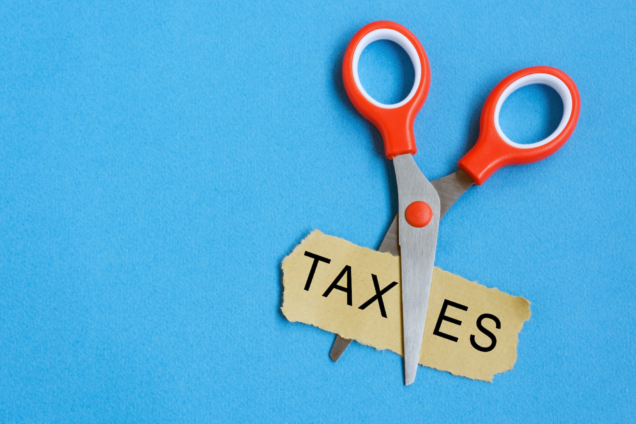
Key Takeaways
- Deputy Ranking Member of Parliament's Finance Committee, Dr Gideon Boako, accuses government of increasing tax burden on Ghanaians.
- Government's preference for raising taxes over addressing revenue mobilization inefficiencies criticized.
- Parliamentarian warns against granting a supermajority in Parliament, citing weakened oversight and unchecked policy implementation.
The Ghanaian government has come under fire from a senior member of Parliament for its handling of fiscal measures, with allegations of a heavy-handed approach to taxation.
Dr Gideon Boako, the Deputy Ranking Member of Parliament's Finance Committee and Member of Parliament for Tano North, made the criticism during a debate on the extension of the Energy Sector Recovery Levy to fuel oil.
Background & Context
The Energy Sector Recovery Levy, introduced last year, is a GH¢1 per litre tax aimed at helping settle energy sector debts. However, Dr Boako argued that the measure has not achieved its intended purpose and that the government must account for the use of the levy before seeking to expand its application.
Dr Boako's comments come at a time when the government is facing growing criticism over its economic policies, with many Ghanaians feeling the pinch of rising taxes and fuel prices.
Key Findings
Dr Boako's main concern is that the government's preference for raising taxes rather than addressing inefficiencies in revenue mobilization is detrimental to the economy.
He argued that challenges such as fuel smuggling and tax non-compliance should be tackled through stronger enforcement, rather than extending existing levies.
The Parliamentarian's stance is backed by data that shows the Energy Sector Recovery Levy has not yielded the desired results, with energy sector debts remaining a significant challenge.
Broader Implications
The implications of Dr Boako's warning against granting a supermajority in Parliament are far-reaching. A supermajority would give the ruling party unchecked power to push through policies without adequate scrutiny, potentially leading to abuse of power and neglect of minority concerns.
A supermajority would also undermine the effectiveness of parliamentary oversight, which is essential for ensuring that the government remains accountable to the people.
Looking Ahead
The debate surrounding the government's tax policies and the implications of a supermajority in Parliament is set to continue, with many Ghanaians eagerly awaiting the outcome.
As the government weighs its options, it must consider the long-term consequences of its actions and prioritize the needs of all Ghanaians, rather than just those of the ruling party.


0 Comments
Leave a Comment
No comments yet. Be the first to share your thoughts!