
Key Takeaways
- Minister Emmanuel Armah‑Kofi Buah proposes a dedicated electric‑vehicle capacity‑building centre for Ghanaian technicians.
- The centre will teach diagnostics, servicing and repair of passenger EVs and heavy‑duty electric trucks.
- China’s rapid EV adoption and battery‑swapping infrastructure are highlighted as models.
- Improved technical capacity is positioned to strengthen mining, haulage and logistics sectors.
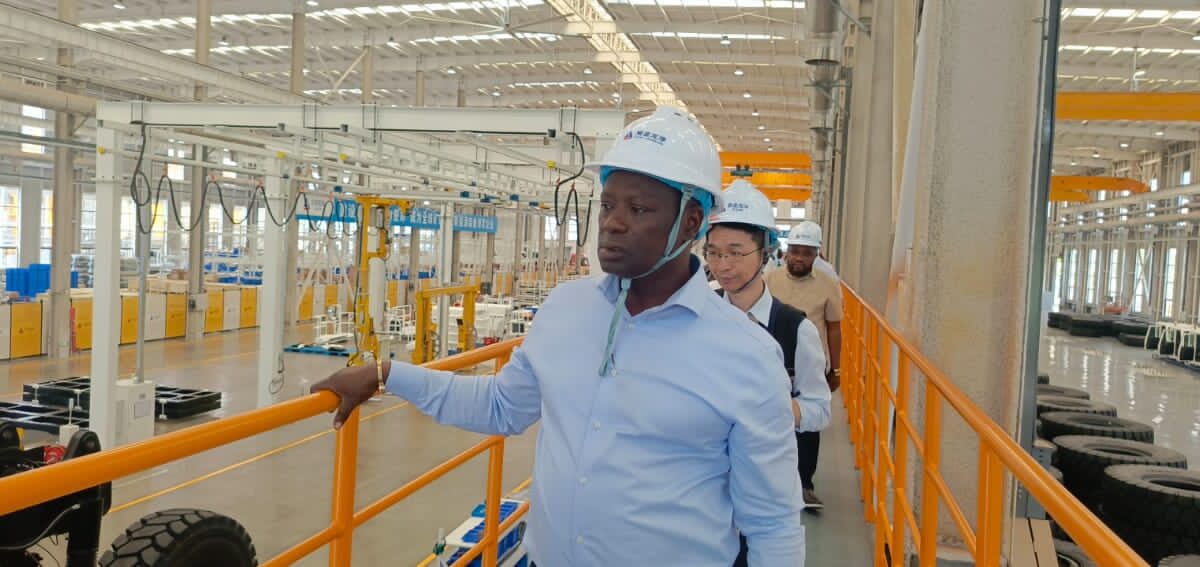
During a recent visit to Longking’s showroom in China, Ghana’s Minister for Lands and Natural Resources urged a national effort to create a specialised training hub for electric‑vehicle maintenance. The proposal responds to a growing influx of EVs in Ghana and anticipates future demand for locally sourced technical support.
By institutionalising skill development, the government aims to move beyond reliance on imported service expertise, ensuring that Ghanaian mechanics can sustain an emerging clean‑mobility ecosystem.
Policy Rationale
The minister framed the centre as a strategic response to global shifts away from fossil‑fuel propulsion. Building a domestic talent pool aligns with Ghana’s broader climate commitments and reduces potential service bottlenecks as EV adoption accelerates.
Legislative backing and coordinated funding will be required to embed the programme within existing vocational institutions, creating clear pathways for apprenticeships and certifications.
Technical Landscape and International Benchmarks
China’s electric‑heavy‑truck market, where new‑energy units comprised roughly 44% of June 2026 sales, demonstrates the scalability of EV technology in demanding sectors. Battery‑swapping stations, now commonplace in Chinese ports and mines, illustrate a pragmatic solution to downtime concerns.
Ghana can leverage partnerships with Chinese manufacturers to access curriculum content, trainer exchanges and equipment donations, accelerating the learning curve for local technicians.
Implications for Ghana’s Industries
Mining and logistics rely heavily on diesel‑powered trucks; transitioning these fleets to electric power could lower operating costs and emissions. A skilled workforce is essential to maintain uptime and safety standards during this shift.
Beyond heavy‑duty applications, the centre will address passenger‑vehicle servicing, supporting a nascent market for electric cars in urban centers and expanding consumer confidence.
Looking Ahead
Implementation timelines will hinge on budget allocations and the establishment of pilot training modules. Success metrics may include the number of certified technicians and the proportion of serviced EVs handled domestically.
If realised, the capacity‑building centre could position Ghana as a regional hub for electric‑vehicle maintenance expertise, fostering job creation and contributing to the nation’s clean‑energy objectives.






0 Comments
Leave a Comment
No comments yet. Be the first to share your thoughts!