
Key Takeaways
- The Nursing and Midwifery Council estimates that Ghana requires over 100,000 additional nurses to improve the nurse-to-patient ratio.
- Limited financial clearance and inadequate health infrastructure hinder the government's ability to employ qualified professionals.
- The Council has introduced modules on attitude and communication into the nursing curriculum to address concerns about health professionals' behavior.
- Continuous professional development programmes have been expanded to enhance the skills of registered nurses and midwives.
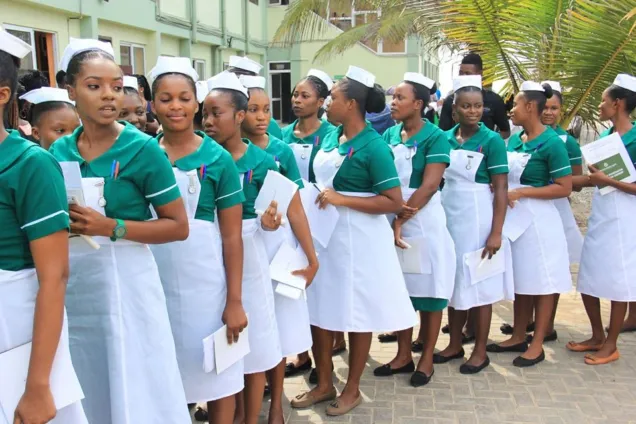
The Nursing and Midwifery Council has highlighted the significant challenges facing the nursing and midwifery profession in Ghana. In a recent meeting with Parliament's Health Committee, the Council's Registrar, Philomena Woolley, underscored the need for improved nurse-to-patient ratios, which currently stand at a critical level.
According to the Council, the country requires more than 100,000 additional nurses to meet the demands of the healthcare sector. However, the government's efforts to employ qualified professionals have been constrained by limited financial clearance and inadequate health infrastructure.
Background & Context
The nursing shortage in Ghana is a long-standing issue that has been exacerbated by a combination of factors, including inadequate infrastructure, lack of resources, and insufficient training opportunities.
The Council's estimates suggest that the current nurse-to-patient ratio is unsustainable, and that the situation requires immediate attention to prevent further deterioration of healthcare services.
Efforts to address the shortage have been underway, with the government and the Council working together to develop strategies to attract and retain qualified nursing professionals.
Key Findings
In response to concerns about the behavior of some health professionals, the Council has introduced modules on attitude and communication into the nursing curriculum.
The aim of these modules is to equip nursing students with the necessary skills to interact effectively with patients, families, and other healthcare professionals.
The Council has also expanded continuous professional development programmes to enhance the skills of registered nurses and midwives, with a focus on areas such as leadership, management, and quality improvement.
Broad Implications
The nursing shortage has significant implications for the quality of healthcare services in Ghana, with potential consequences for patient outcomes, staff morale, and the overall sustainability of the healthcare system.
The situation also has broader implications for the country's economic development, as a healthy workforce is essential for productivity and competitiveness.
The government and the Council must work together to address the shortage and develop strategies to ensure that the healthcare sector is equipped to meet the demands of the population.
Looking Ahead
The Nursing and Midwifery Council's efforts to address the shortage are a positive step towards improving the quality of healthcare services in Ghana.
However, the challenges facing the profession are complex and multifaceted, and will require sustained commitment and collaboration from all stakeholders to resolve.






0 Comments
Leave a Comment
No comments yet. Be the first to share your thoughts!