
Key Takeaways
- Over 2,500 people died in road crashes in Ghana last year.
- The government is urged to treat road crashes as a public health emergency.
- A stronger police presence on the roads and automated enforcement of traffic offences are recommended.
Ghana's road safety situation has reached a critical point, with over 2,500 people losing their lives in road crashes last year. The daily toll of eight fatalities raises questions about the government's priorities in addressing preventable deaths.
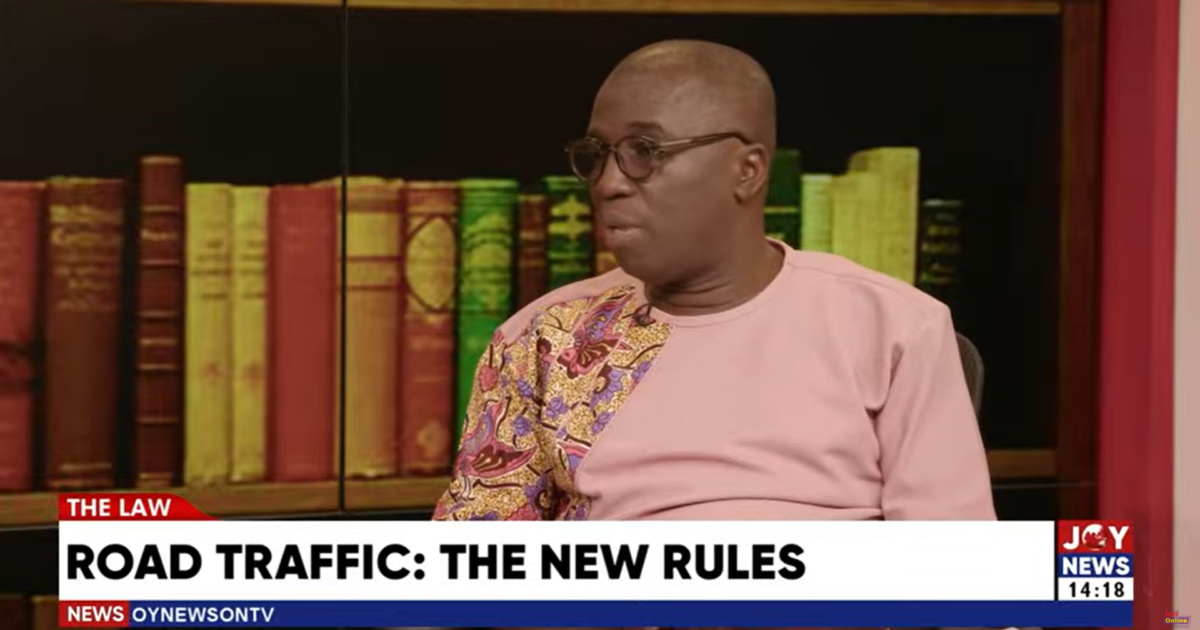
Appiah Kusi Adomako, Director of the West Africa Regional Centre of CUTS International, has called on the government to treat road crashes as a public health emergency, arguing that the scale of deaths warrants the same urgency applied to the COVID-19 pandemic.
Background & Context
The COVID-19 pandemic led to a significant mobilization of resources and introduction of extensive measures to control the spread of the virus. In contrast, road safety in Ghana has not received a comparable level of investment, despite the continuing loss of lives.
The disparity in attention and investment given to the two crises raises questions about Ghana's priorities in addressing preventable deaths. Mr. Adomako notes that the COVID-19 response involved extensive public expenditure, restrictions, public education, and enforcement measures, while road safety has not received a comparable level of investment.
Key Findings
Mr. Adomako recommends a fundamental shift in the way road safety is approached, emphasizing the need for sustained investment rather than relying largely on enforcement after accidents have occurred. He highlights the need for a stronger police presence on the roads, saying visible enforcement could help deter dangerous driving and improve compliance with traffic regulations.
The introduction of automated enforcement of traffic offences is also welcomed, as it can strengthen enforcement and reduce the pressure on police officers to monitor every road user manually.
Broader Implications
Mr. Adomako stresses that road safety should be regarded as a shared national responsibility involving motorists, pedestrians, government agencies, law enforcement authorities, and other stakeholders. He argues that road safety should be everyone's responsibility, not only the police, not only NRSA, not only DVLA.
A broader national response is needed, integrating road safety into public health, transport planning, infrastructure development, law enforcement, and community behavior. This would require government to invest more deliberately in preventive measures, including enforcement, technology, and interventions designed to reduce the likelihood and severity of crashes.
Looking Ahead
The government's response to Mr. Adomako's call to treat road crashes as a public health emergency will be closely watched. A stronger police presence, automated enforcement, and a broader national response may be necessary to address the scale of the problem.
The road safety situation in Ghana requires a multifaceted approach, involving all stakeholders and a sustained investment in preventive measures. Only then can the country hope to reduce the number of fatalities on its roads.

0 Comments
Leave a Comment
No comments yet. Be the first to share your thoughts!