
Key Takeaways
- The Tribunals Bill 2026 has been passed by Parliament, overhauling Ghana's tribunal system to provide operational clarity and reduce case backlogs.
- The new Act introduces a modern, dual-tier system with a focus on human rights safeguards and popular participation in justice delivery.
- Key features include live media broadcasting, revolutionary timelines for mining offences, and a Tribunal Oversight Committee to ensure accountability.
- The Act aims to address historical abuses and ensure the tribunals operate within constitutional bounds.
The Ghanaian parliament has made a significant move in revitalising the country's tribunal system, passing the Tribunals Bill 2026. This landmark legislation marks a major shift from the current framework, established by the Courts Act 1993 (Act 459), which had been plagued by operational challenges and lack of transparency.
The new Tribunals Act 2026 seeks to address these issues by introducing a modern, dual-tier system that prioritises human rights safeguards and popular participation in justice delivery. At its core, the Act aims to ensure that the tribunals operate within constitutional bounds, preventing the kind of abuses that marred the Provisional National Defence Council (PNDC) era.
Background & Context
The tribunal system in Ghana has a complex history, dating back to the Armed Forces Revolutionary Council (AFRC) era in 1979. Initially designed as a means of delivering accessible, citizen-led justice, the system expanded rapidly during the PNDC era, only to be tamed by the Courts Act 1993. However, despite structural integration, the Regional Tribunals fell into obsolescence, plagued by a lack of dedicated personnel and a persistent historical stigma.
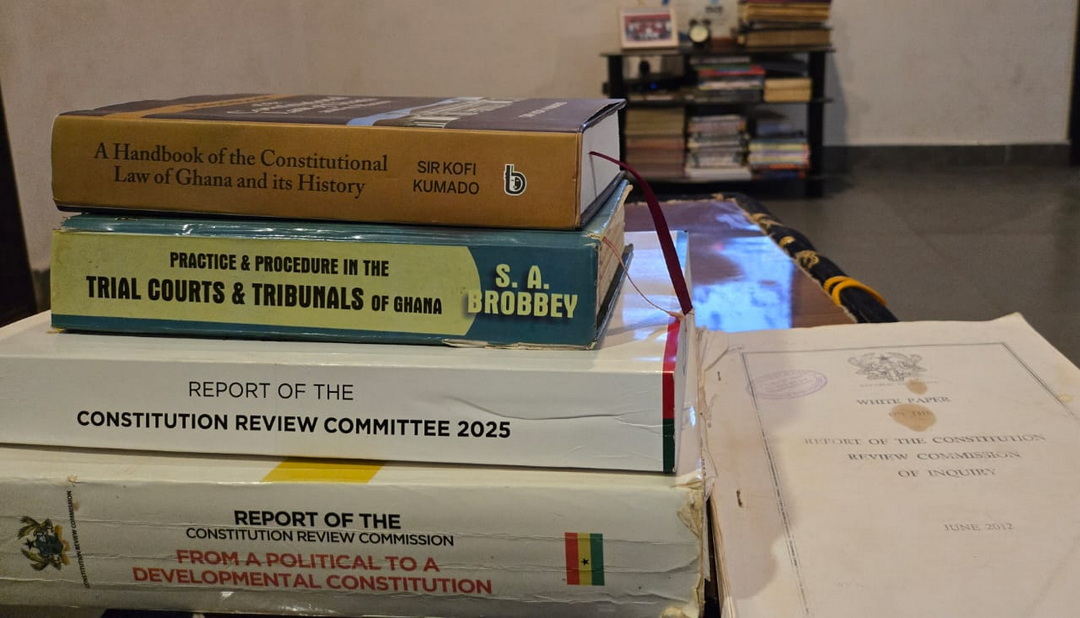
The 2012 Government White Paper and the 2025 Constitution Review Committee robustly recommended the formal de-establishment of the tribunals to simplify the court hierarchy. However, a persistent statutory vacuum remained regarding how to fulfill the constitutional directive under Article 125(2), mandating popular citizen participation in the administration of justice through public tribunals.
Key Findings
The Tribunals Act 2026 introduces profound structural, administrative, and procedural changes, including:
1. Composition and structural modifications: The Act refines the Judicial Panel Framework, allowing for layperson participation and strict bars on political exclusions.
2. Jurisdictional realignment and explicit exclusions: The Act modernises the jurisdiction of the Regional Tribunal, expanding its original jurisdiction to include contemporary legislation and introducing a clear internal hierarchy.
3. Enhanced oversight and accountability: The Act establishes a dedicated Tribunal Oversight Committee to evaluate operations, investigate complaints of misconduct, and provide strict ethical guidance.
Broader Implications
The passage of the Tribunals Bill 2026 has far-reaching implications for Ghana's justice system, aiming to address the historical abuses and ensure transparency and accountability. The new Act seeks to:
1. Guarantee transparency: By introducing live media broadcasting and a Tribunal Oversight Committee, the Act seeks to ensure public accountability and reduce the risk of abuse.
2. Reduce case backlogs: The Act's focus on human rights safeguards and popular participation in justice delivery aims to streamline the tribunal process, reducing the risk of delays and backlogs.
3. Address historical abuses: The Act seeks to prevent the kind of abuses that marred the PNDC era, ensuring that the tribunals operate within constitutional bounds.
Looking Ahead
The Tribunals Act 2026 marks a significant step towards revitalising Ghana's tribunal system. As the country looks ahead, it is crucial that the new Act is implemented effectively, ensuring that the tribunals operate within constitutional bounds and deliver justice to all citizens. The success of this reform will depend on the commitment of all stakeholders, including the judiciary, the executive, and the legislature, to ensure that the tribunals serve the people of Ghana.



0 Comments
Leave a Comment
No comments yet. Be the first to share your thoughts!