
Key Takeaways
- Government emphasizes zero tolerance for sexual harassment in Ghana's educational institutions.
- Ministry of Education calls for strengthened prevention, reporting, and support systems to protect students and staff.
- Survivor-centered approach prioritizes dignity, safety, and well-being in institutional responses.
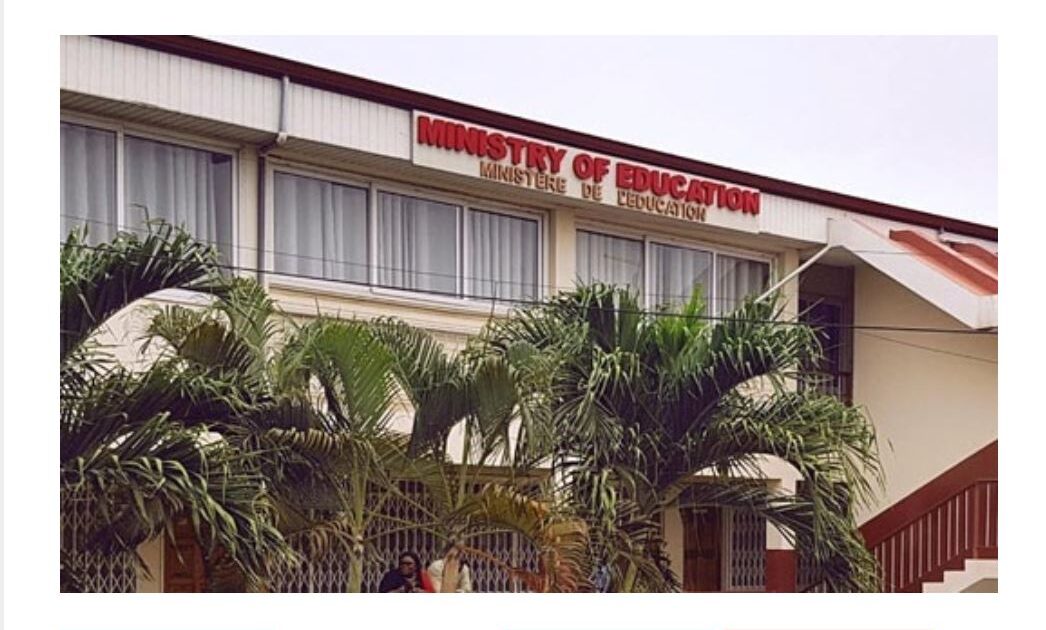
The Ghanaian government has reaffirmed its commitment to eradicating sexual harassment from the country's educational institutions. Deputy Director of the Tertiary Directorate at the Ministry of Education, Harriet Krakani, emphasized that tertiary institutions must prioritize the prevention, reporting, and support of sexual harassment to create safe learning environments.
The call for strengthened prevention and response systems comes as the country's tertiary education sector grapples with the prevalence of sexual harassment. A recent conference organized by the Perfector of Sentiments (POS) Foundation and Amplify Change brought together stakeholders to discuss strategies for addressing the issue.
Background & Context
Sexual harassment has long been a pervasive issue within Ghana's educational institutions, affecting students and staff alike. The phenomenon undermines the dignity and well-being of individuals, compromises academic experiences, and erodes confidence in institutions.
The government's position on the matter is clear: sexual harassment has no place in Ghana's educational institutions. This stance is reflected in the Ministry of Education's commitment to strengthening safety and inclusiveness within the tertiary education system.
Key Findings
The conference highlighted the need for a survivor-centered approach in addressing sexual harassment. This approach prioritizes the dignity, safety, and well-being of survivors, ensuring that institutional processes do not expose them to further harm, stigma, or victimization.
Interventions under the initiative include collaboration among Gender Centres, counseling units, and student leadership, as well as training first responders and campus human rights defenders.
Broad Implications
The prevalence of sexual harassment in Ghana's educational institutions has far-reaching implications for the country's development. It compromises the quality of education, undermines academic achievements, and perpetuates a culture of fear and intimidation.
The government's commitment to addressing the issue sends a strong message that sexual harassment will not be tolerated in Ghana's educational institutions. This stance is essential in promoting a safe and inclusive learning environment that supports the well-being and dignity of students and staff.
Looking Ahead
The Ministry of Education's efforts to strengthen prevention and response systems will require sustained commitment from stakeholders. This includes institutions, students, and staff working together to create a culture of zero tolerance for sexual harassment.
The government's position on the matter is clear: sexual harassment has no place in Ghana's educational institutions. By working together, we can create a safe and inclusive learning environment that supports the well-being and dignity of all students and staff.






0 Comments
Leave a Comment
No comments yet. Be the first to share your thoughts!