
Key Takeaways
- Video game downloads and subscriptions in Ghana totaled US$121 million in 2025.
- The figure marks a rapid expansion of the nation’s digital‑economy segment.
- Players can sell virtual items such as avatar clothing and power‑ups, creating micro‑entrepreneurial revenue streams.
- Industry leaders call for broader skill development in game design, programming and esports.
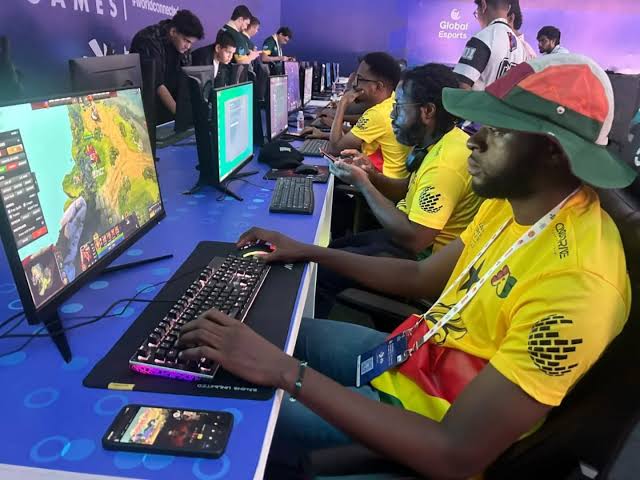
Ghana’s gaming and esports ecosystem recorded a spending peak of US$121 million on digital titles and subscriptions last year, according to Maximus Ametorgoh, vice‑president of the Esports Association Ghana. The data emerged during the closing session of National ICT Week 2026, underscoring the sector’s transition from pastime to profit centre.
The surge reflects a wider shift in Ghana’s digital landscape, where young consumers are increasingly leveraging interactive platforms not only for entertainment but also for commerce, skill acquisition and entrepreneurial activity.
Industry Scale and Economic Significance
The disclosed expenditure surpasses previous estimates for the country’s gaming market, positioning Ghana among the faster‑growing African digital economies. Revenue derives from a mix of one‑time game purchases, subscription services and in‑game microtransactions, each contributing to a diversified income stream.
Beyond raw numbers, the market’s growth signals heightened purchasing power among Ghanaian youth and expanding broadband penetration. These conditions foster a fertile environment for local developers to reach monetizable audiences without reliance on external distribution channels.
Monetizing Virtual Goods: A New Business Model
Players increasingly treat virtual assets—clothing, skins, power‑ups—as tradable commodities. By creating and listing items for a few dollars, gamers generate modest but scalable earnings, a model echoed in global platforms such as Roblox and Fortnite.
This micro‑entrepreneurship model encourages creative skill development, from 3‑D modeling to digital marketing. It also introduces a secondary economy where transactions are recorded on platform ledgers, offering data that can inform future regulatory frameworks.
Policy Outlook and Skills Development
Stakeholders at ICT Week urged the government to move beyond passive consumption, advocating curricula that embed game design, coding and esports management into tertiary and vocational programs. Aligning educational pathways with industry demand could accelerate job creation and reduce talent drain.
Policy considerations also include intellectual property protection for locally produced digital assets and incentives for startups that focus on artificial intelligence integration within games, a convergence highlighted by regional tech forums.
Looking Ahead
If current spending trends persist, the gaming sector could contribute a measurable share of Ghana’s gross domestic product within the next five years, driven by both domestic consumption and exportable content. Strategic investment in infrastructure, talent pipelines and regulatory clarity will be decisive.
Continued collaboration between industry bodies, educational institutions and policymakers will determine whether Ghana capitalises on its youthful digital demographic to cement a sustainable, innovation‑rich gaming ecosystem.






0 Comments
Leave a Comment
No comments yet. Be the first to share your thoughts!