
Key Takeaways
- The National Development Planning Commission (NDPC) attributed Ghana's jobless economic growth in 2025 to weak performance in the industrial sector.
- The industrial sector underperformed, recording growth of about 2.3% against a target of 7.1%.
- The NDPC's report emphasizes the need for government to intensify efforts to expand industrialisation through manufacturing and agro-processing.
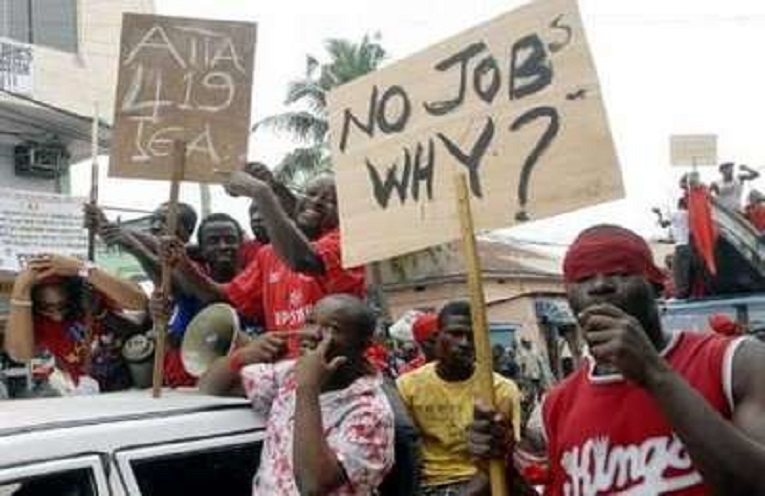
The National Development Planning Commission (NDPC) has released its latest National Annual Progress Report, highlighting the country's jobless economic growth in 2025. According to the report, Ghana achieved its 6% GDP growth target, but the growth failed to generate sufficient employment opportunities.
Director of Research and Innovation at the NDPC, Richard Tweneboah Kodua, noted that the industrial sector significantly underperformed, recording growth of about 2.3% against a target of 7.1%. This weakness in the industrial sector is a major contributor to the country's jobless economic growth.
Background & Context
The NDPC's report is an accountability tool designed to assess progress against the country's medium-term development framework, anchored on the theme, Agenda for Jobs. The expectation was that government programmes and interventions would not only drive economic growth but also reduce unemployment and improve livelihoods.
The report's findings are not intended to criticise any administration but to provide evidence that can guide policy decisions. Mr. Kodua stressed the need for government to intensify efforts to expand industrialisation through manufacturing, agro-processing, and other productive sectors capable of creating sustainable jobs.
Key Findings
The NDPC's report reveals that the industrial sector's underperformance is a major challenge to the country's economic growth. The sector's growth of 2.3% is far below the target of 7.1%, indicating a significant gap in the country's industrialisation efforts.
The report also highlights the need for government to focus on creating sustainable jobs through industrialisation. This requires a comprehensive approach that involves investing in infrastructure, human capital, and technology to support the growth of industries.
Broad Implications
The jobless economic growth in 2025 has significant implications for the country's development. The lack of employment opportunities is a major challenge to reducing poverty and improving living standards for Ghanaians.
The NDPC's report emphasizes the need for government to prioritise industrialisation as a key strategy for creating sustainable jobs and driving economic growth. This requires a coordinated approach that involves all stakeholders, including the private sector, civil society, and the government.
Looking Ahead
The NDPC's report provides a critical assessment of the country's economic growth and highlights the need for government to intensify efforts to expand industrialisation. The report's findings are expected to shape policy implementation in 2026, with greater focus on ensuring that economic growth translates into employment and improved living standards for Ghanaians.
The government's commitment to industrialisation is crucial to addressing the country's jobless economic growth. A comprehensive approach that involves investing in infrastructure, human capital, and technology is necessary to support the growth of industries and create sustainable jobs.






0 Comments
Leave a Comment
No comments yet. Be the first to share your thoughts!