
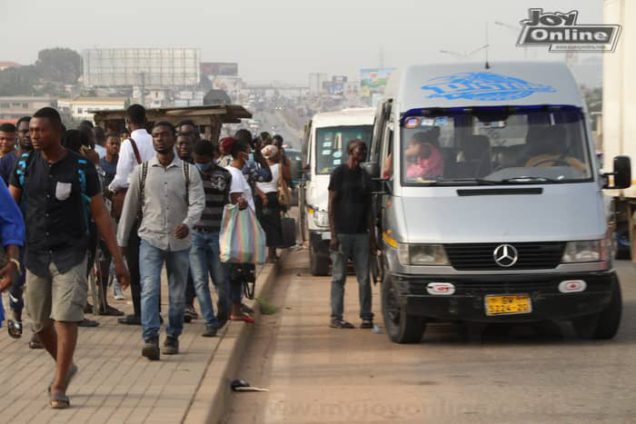
Key Takeaways
- The Ghana Private Road Transport Union (GPRTU) has cautioned against celebrating the suspension of the planned 30% transport fare increase.
- The suspension is contingent on fuel prices and operational costs remaining stable or declining further.
- GPRTU Deputy Secretary Samuel Amoah has expressed hope that the current stability in the sector would be maintained to reduce pressure on transport operators and commuters.
The Ghana Private Road Transport Union (GPRTU) has welcomed the suspension of the planned 30% transport fare increase, but has warned against complacency. The decision was reached after engagements between transport operators, including the GPRTU and the Ghana Road Transport Coordinating Council (GRTCC), and other stakeholders.
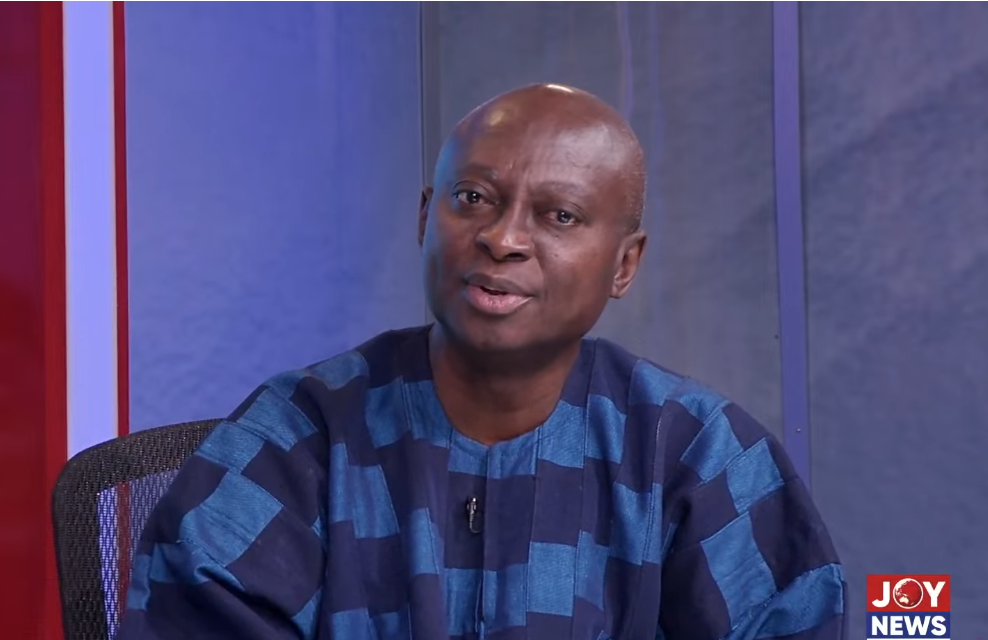
In an interview on Adom FM's Dwaso Nsem, GPRTU Deputy Secretary Samuel Amoah acknowledged that commuters would be relieved by the development, but emphasized that it should not be seen as a permanent solution to the challenges facing the transport sector.
Background & Context
The planned fare adjustment was aimed at addressing the rising operational costs faced by transport operators, including fuel prices and vehicle maintenance costs. However, the suspension of the increase has raised concerns about the sustainability of the decision.
The GPRTU has been at the forefront of the transport sector's efforts to stabilize fares and reduce the burden on commuters. The union has been engaging with stakeholders, including the GRTCC and government officials, to find solutions to the sector's challenges.
Key Findings
The suspension of the 30% transport fare increase is contingent on fuel prices and operational costs remaining stable or declining further. GPRTU Deputy Secretary Samuel Amoah has expressed hope that the current stability in the sector would be maintained to reduce pressure on transport operators and commuters.
The decision has been welcomed by commuters, who would be relieved by the development. However, the GPRTU has cautioned against complacency, emphasizing that the suspension should not be seen as a permanent solution to the challenges facing the transport sector.
Broader Implications
The suspension of the transport fare increase has significant implications for the transport sector and the broader economy. If fuel prices and operational costs continue to decline, it could lead to a reduction in transport fares, making it more affordable for commuters.
However, if fuel prices and operational costs continue to rise, it could lead to a revisit of the planned fare increase, which would have a negative impact on commuters.
Looking Ahead
The GPRTU has expressed hope that the current stability in the sector would be maintained to reduce pressure on transport operators and commuters. However, the union has also emphasized that the sustainability of the suspension depends on whether operational costs remain stable or reduce further.
The decision has raised concerns about the long-term sustainability of the transport sector, and the need for a more comprehensive solution to address the challenges facing the sector.





0 Comments
Leave a Comment
No comments yet. Be the first to share your thoughts!