
Key Takeaways
- Nearly one-third of adults in Ghana are now overweight or obese, raising concerns over public health.
- The Ministry of Health is collaborating with the WHO, Ministry of Education, and private sector stakeholders to tackle the obesity crisis.
- Targeted measures aim to promote healthy lifestyles and prevent obesity among Ghanaian adults.
The Ministry of Health in Ghana has sounded the alarm over a rising obesity epidemic, with nearly one-third of the country's adult population now classified as overweight or obese. This alarming trend has prompted the Ministry to launch a collaborative effort with the World Health Organization (WHO), the Ministry of Education, and private sector stakeholders to reverse the trend.
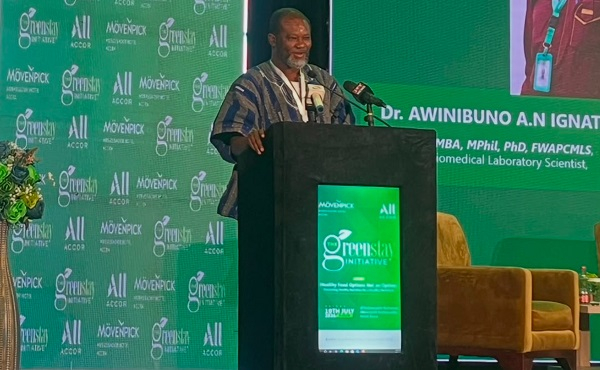
The Ministry's Chief Programme Officer, Awinibuno Ignatius, highlighted the need for a multi-faceted approach to address the growing obesity crisis. According to Ignatius, the Ministry's efforts will focus on promoting healthy lifestyles, improving nutrition, and increasing physical activity among Ghanaians.
Background & Context
Ghana's obesity epidemic is part of a broader global trend, with many countries experiencing a significant increase in obesity rates over the past few decades. The World Health Organization (WHO) has identified obesity as one of the leading causes of non-communicable diseases (NCDs), which are responsible for over 70% of all deaths worldwide.
In Ghana, the rising obesity rates have been linked to urbanization, changes in diet, and reduced physical activity. The country's growing middle class has also contributed to an increase in consumption of high-calorie foods and sugary drinks.
Key Findings
A recent study by the WHO found that Ghana's adult obesity rate has increased significantly over the past decade, with nearly 30% of adults now classified as overweight or obese. The study also found that the prevalence of obesity is higher among urban dwellers, with over 40% of adults in Accra and Kumasi classified as overweight or obese.
The Ministry of Health's efforts to tackle the obesity crisis will focus on several key areas, including the development of a national nutrition policy, the establishment of physical activity programs, and the implementation of obesity prevention programs in schools.
Broad Implications
The rising obesity epidemic in Ghana has significant implications for the country's public health system, economy, and social welfare. Obesity-related health problems are a major burden on the healthcare system, with costs estimated to be in the billions of cedis annually.
The Ministry's efforts to address the obesity crisis will not only improve public health outcomes but also contribute to economic growth and social development. By promoting healthy lifestyles and preventing obesity, the Ministry aims to reduce healthcare costs, increase productivity, and improve overall quality of life for Ghanaians.
Looking Ahead
The Ministry of Health's collaborative effort with the WHO, Ministry of Education, and private sector stakeholders marks a significant step towards addressing the obesity crisis in Ghana. The success of this initiative will depend on the effective implementation of targeted measures, the engagement of key stakeholders, and the commitment of the Ghanaian public to adopt healthy lifestyles.
As Ghana continues to grapple with the obesity epidemic, it is essential to prioritize public health and well-being. By working together to promote healthy lifestyles and prevent obesity, the country can reduce the burden of obesity-related health problems and improve the overall quality of life for its citizens.






0 Comments
Leave a Comment
No comments yet. Be the first to share your thoughts!