
Key Takeaways
- The Tribunals Bill 2026 has been approved by lawmakers in Ghana's Parliament.
- The Bill received approval during a marathon session on Friday at dawn.
- Attorney-General Dominic Ayine moved for the Bill to be read for the third time, bypassing a mandatory one-day interval.
- The approval is a significant step towards establishing new tribunals in Ghana.
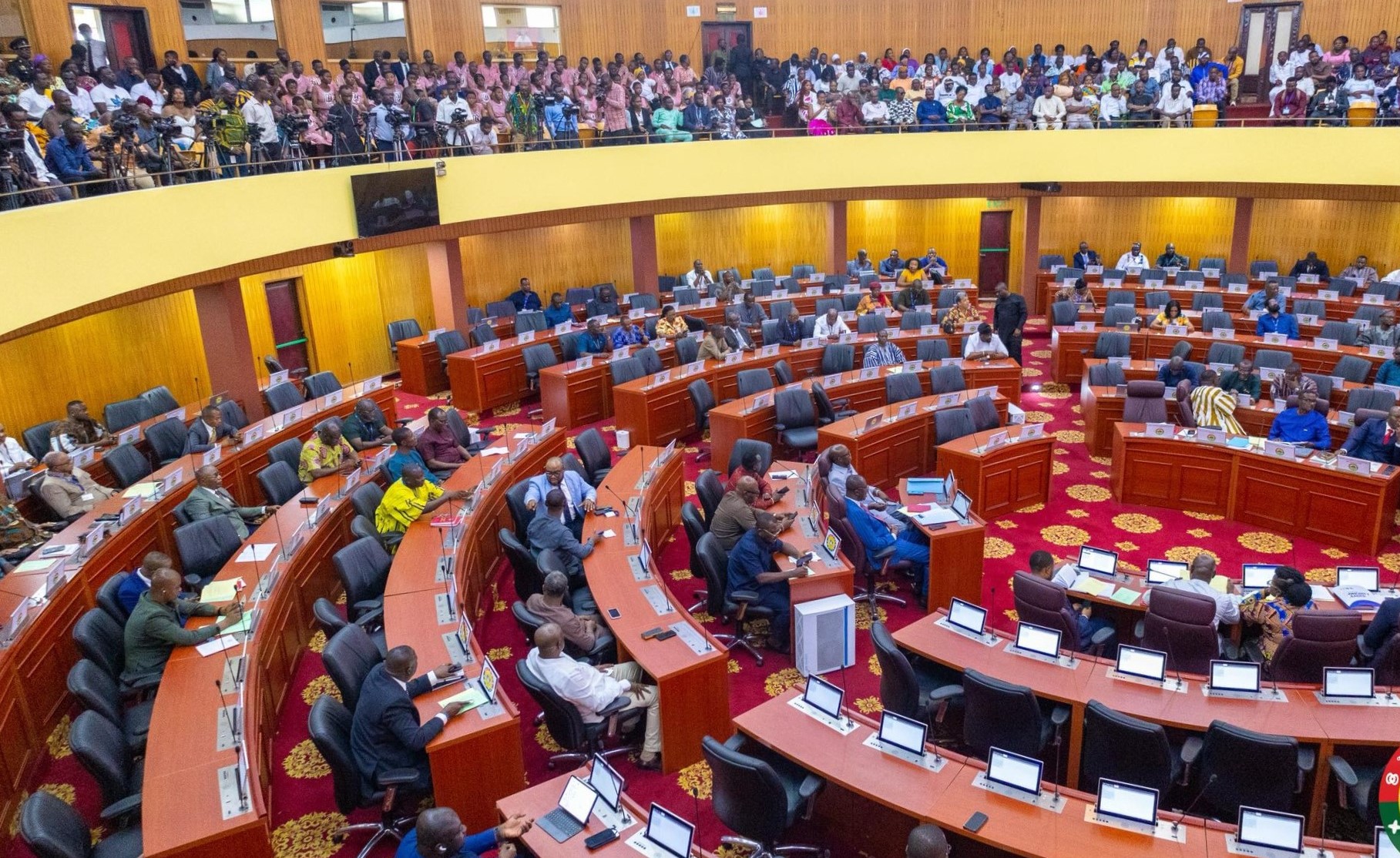
Ghana's Parliament has approved the Tribunals Bill 2026, marking a crucial milestone in the country's efforts to reform its justice system. The Bill, which aims to establish new tribunals to handle various disputes and cases, received approval from lawmakers during a marathon session on Friday.
The approval comes after Attorney-General Dominic Ayine moved for the Bill to be read for the third time, seeking permission to waive the mandatory one-day interval between the consideration stage and the third reading. The move, made under Order 172, sub-order 1 of the Standing Orders, allowed the Bill to be expedited through the legislative process.
Background & Context
The Tribunals Bill 2026 is a key component of Ghana's efforts to modernize its justice system and improve access to justice for citizens. The Bill aims to establish new tribunals to handle various disputes and cases, including commercial, labor, and environmental disputes. The establishment of these tribunals is expected to reduce the burden on the traditional courts and provide faster and more efficient dispute resolution.
However, the passage of the Bill has been met with opposition from some quarters, who have raised concerns about the potential impact on the traditional courts and the judiciary. The approval of the Bill is a significant step towards addressing these concerns and ensuring that the tribunals are established in a way that complements the existing justice system.
Key Findings
The approval of the Tribunals Bill 2026 is a significant development in Ghana's efforts to reform its justice system. The Bill received approval from lawmakers during a marathon session on Friday, marking a crucial milestone in the legislative process.
The move to waive the mandatory one-day interval between the consideration stage and the third reading was made under Order 172, sub-order 1 of the Standing Orders. This provision allows the Speaker of Parliament to waive the interval in exceptional circumstances, such as when the Bill is of national importance or when there is a need for urgency.
Broader Implications
The approval of the Tribunals Bill 2026 has significant implications for Ghana's justice system and the country's economy as a whole. The establishment of new tribunals is expected to improve access to justice for citizens and reduce the burden on the traditional courts. This, in turn, is expected to boost economic growth and development by providing a more efficient and effective dispute resolution mechanism.
The approval of the Bill also marks a significant step towards modernizing Ghana's justice system and ensuring that it is in line with international best practices. The country's efforts to establish new tribunals are expected to be watched closely by other countries in the region, who are also seeking to reform their justice systems.
Looking Ahead
The approval of the Tribunals Bill 2026 is a significant step towards establishing new tribunals in Ghana. However, the journey is far from over. The government and the Judiciary will need to work together to ensure that the tribunals are established in a way that complements the existing justice system.
The government is expected to fast-track the process of establishing the tribunals, which will require the establishment of new infrastructure, the recruitment of personnel, and the development of new procedures and guidelines. The Judiciary will also need to work closely with the government to ensure that the tribunals are integrated into the existing justice system and that they are functioning efficiently and effectively.





0 Comments
Leave a Comment
No comments yet. Be the first to share your thoughts!