

Key Takeaways
- The Gender Centre for Empowering Development (GenCED) has urged political leaders to uphold respect for women in leadership following an exchange between Alexander Afenyo-Markin and Nana Yaa Akyenpim Jantuah.
- The incident highlights the challenges women continue to face while serving in public leadership and administrative positions.
- GenCED stressed that public officials deserve to be treated with dignity regardless of political affiliation or differences.
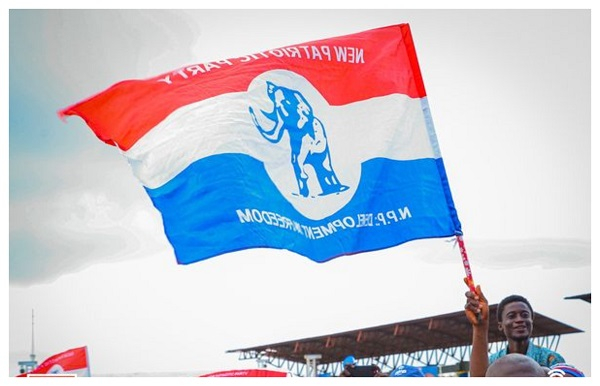
The Gender Centre for Empowering Development (GenCED) has called on political leaders to uphold respect for women in leadership following an exchange between Minority Leader Alexander Afenyo-Markin and Presidential Staffer Nana Yaa Akyenpim Jantuah during the presentation of the New Patriotic Party's (NPP) petition at Jubilee House. The incident, which occurred on August 6, has sparked debate and raised concerns about the treatment of women in public leadership positions.
According to GenCED, the incident highlights the challenges women continue to face while serving in public leadership and administrative positions. The organisation stressed that public officials deserve to be treated with dignity regardless of political affiliation or differences.
Background & Context
The NPP's petition was presented to President John Dramani Mahama following the party's "Democracy Under Attack" demonstration. During the presentation, Minority Leader Alexander Afenyo-Markin questioned the Presidency's decision to assign Nana Yaa Jantuah to receive the petition, arguing that the seniority of the opposition delegation warranted a higher-ranking government representative.
The exchange has sparked debate and raised concerns about the treatment of women in public leadership positions. GenCED has warned that actions or comments perceived as belittling women in leadership could reinforce stereotypes that discourage women's participation in governance and public service.
Key Findings
GenCED has urged all political stakeholders to use the incident as an opportunity to promote civility, respect, and inclusiveness in Ghana's democratic discourse. The organisation noted that Ghana's ongoing efforts to increase women's representation in decision-making positions require a political environment built on mutual respect and inclusion.
GenCED also reminded political leaders that respect for women in leadership should transcend partisan considerations. The organisation stated that respect for women in leadership is not a partisan matter; it is a democratic imperative.
Broader Implications
The incident has sparked debate and raised concerns about the treatment of women in public leadership positions. GenCED has warned that actions or comments perceived as belittling women in leadership could reinforce stereotypes that discourage women's participation in governance and public service.
The organisation has also urged all political stakeholders to use the incident as an opportunity to promote civility, respect, and inclusiveness in Ghana's democratic discourse. This is essential for promoting women's participation in governance and public service.
Looking Ahead
GenCED has called on political leaders to uphold respect for women in leadership. This is crucial for promoting women's participation in governance and public service. The organisation has also urged all political stakeholders to use the incident as an opportunity to promote civility, respect, and inclusiveness in Ghana's democratic discourse.
The incident has highlighted the need for a political environment that values inclusion, equality, and institutional respect. GenCED has urged all political stakeholders to work towards creating such an environment.





0 Comments
Leave a Comment
No comments yet. Be the first to share your thoughts!