
Key Takeaways
- RMPC secured partnership proposals with major banks and transport providers.
- Constituency Games now feed into a proposed National Talent Bank.
- The Ghana–Anhui Chamber of Commerce contributed initial in‑kind support.
- The committee positions sport as a vehicle for economic, social and diplomatic development.
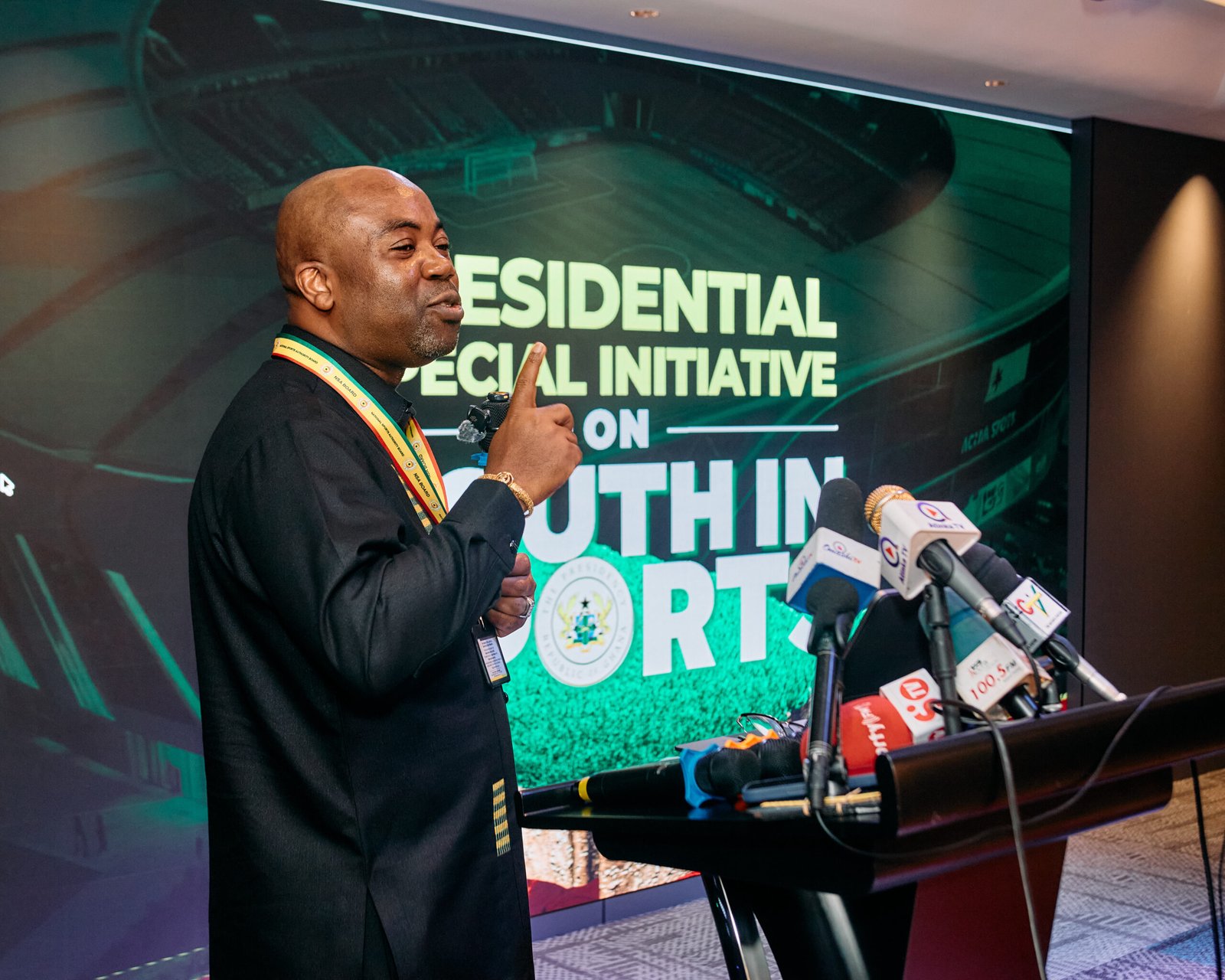
The Regional Multi‑Purpose Committee (RMPC), chaired by Samson Deen, has moved beyond conventional sports administration to embed athletics within Ghana’s broader development agenda. Advanced consultations with federations, media, and government bodies have produced a multi‑layered plan that links local competition to national opportunity.
Stakeholder engagement has produced concrete proposals for banking and transport partnerships, parliamentary briefing packages, and an initial contribution from the Ghana–Anhui Chamber of Commerce, signaling cross‑sectoral commitment to the initiative.
Strategic Framework and Partnerships
The committee’s outreach to financial institutions aims to create a sustainable funding stream for grassroots programs, leveraging bank sponsorships to cover equipment, facilities and athlete scholarships. Parallel transport agreements are designed to reduce logistical barriers for regional tournaments, ensuring consistent access to competition venues across the country.
Parliamentary and inter‑ministerial packages articulate the fiscal and policy implications of the sports agenda, positioning it as a public‑private partnership model. By aligning with the Ghana–Anhui Chamber of Commerce, the RMPC taps into Chinese investment channels, adding an international dimension to domestic sport development.
Talent Development Pathway
The proposed pathway channels athletes from constituency-level contests through regional qualifiers into the National Talent Bank, a centralized database intended to streamline scouting and elite training. This structure mirrors successful models in nations that have leveraged school‑based competitions to feed national teams.
Constituency Games serve as the entry point, providing measurable performance data that feeds into the Talent Bank. The system promises greater transparency in talent identification and a merit‑based progression that reduces reliance on ad‑hoc selection processes.
Economic and Diplomatic Dimensions
Framing sport as a development platform expands its impact beyond medals. Commercialization prospects include broadcasting rights, merchandise, and venue leasing, generating revenue streams that can be reinvested in community programs. Socially, organized sport offers youth employment, health benefits, and avenues for social cohesion.
Diplomatically, the initiative positions Ghana as a hub for regional sporting events, enhancing soft power and attracting foreign investment. The involvement of the Ghana–Anhui Chamber underscores the potential for sports to serve as a conduit for bilateral trade and cultural exchange.
Looking Ahead
Implementation will hinge on the timely ratification of partnership agreements and the operationalization of the National Talent Bank. Monitoring mechanisms outlined in the committee’s packages aim to assess progress against defined benchmarks.
If the outlined framework gains traction, Ghana could witness a recalibration of its sports ecosystem, with measurable gains in athlete performance, economic activity, and international standing.


0 Comments
Leave a Comment
No comments yet. Be the first to share your thoughts!