

Key Takeaways
- NYA CEO Osman Ayariga stressed that youth health and wellbeing are indispensable to Ghana’s development trajectory.
- The remarks were delivered at the National Youth Forum hosted by the Ministry for Youth Development and Empowerment at UPSA on August 19.
- A holistic approach that integrates physical, mental and social dimensions with skills training and entrepreneurship was advocated.
- Continuous public and private investment in young people is positioned as a safeguard against future economic shocks.
At a gathering of policymakers, educators and student leaders, Osman Ayariga, chief executive of the National Youth Authority, called for a systematic shift in how Ghana designs its development programmes. He argued that the nation’s long‑term growth cannot be decoupled from the health status of its roughly 15‑million‑strong youth cohort.
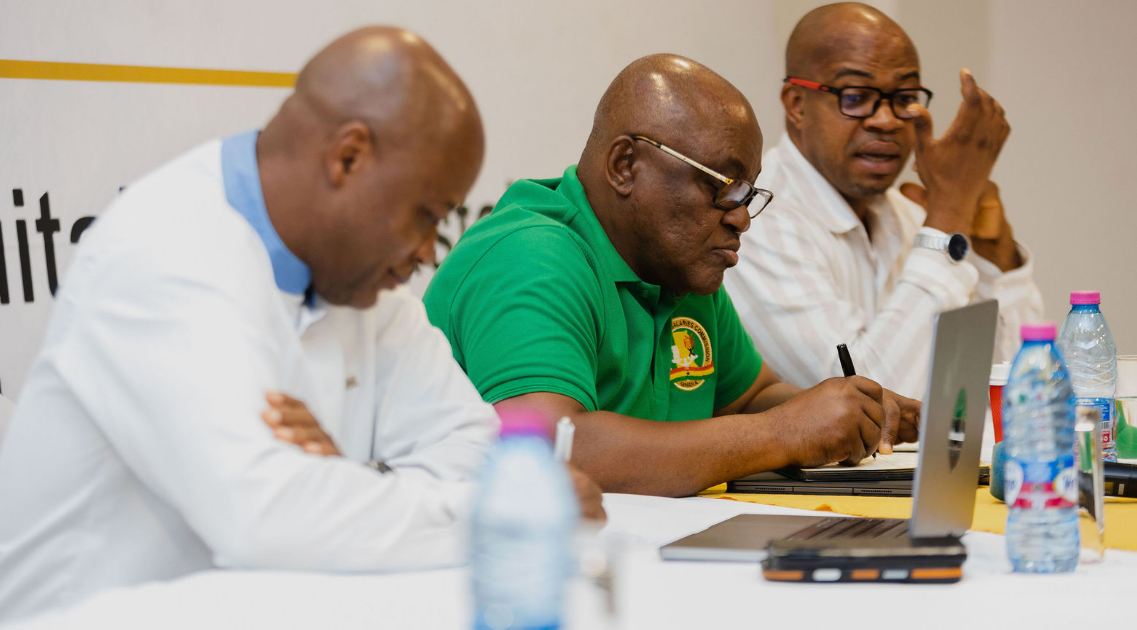
The call came during the National Youth Forum organized by the Ministry for Youth Development and Empowerment at the University of Professional Studies, Accra, underscoring the government’s intent to embed the discussion within academic and civil‑society circles.
Context and Demographic Landscape
Ghana’s population is among the youngest in the world, with over 55 % under the age of 25. Historically, rapid urbanization and expanding secondary education have amplified pressures on health services, especially mental‑health resources that remain underfunded. The current demographic dividend offers a window of opportunity, but only if the cohort remains physically and psychologically fit to participate in the economy.
Recent surveys by the Ghana Health Service indicate rising incidences of anxiety, depression and lifestyle‑related illnesses among university students and informal sector workers. These trends mirror broader Sub‑Saharan patterns where youth mental health has emerged as a critical barrier to employment and entrepreneurship.
Holistic Youth Development: Beyond Employment
Ayariga’s emphasis on a “holistic” model reflects a shift from earlier youth policies that prioritized job placement alone. By integrating health screenings, nutrition programmes and mental‑health counseling into vocational training centres, the government can mitigate dropout rates and improve skill retention.
International evidence from Rwanda’s “Youth Health Integration” initiative demonstrates that coupling health services with entrepreneurship incubators raises business survival rates by up to 18 %. Ghana could adapt similar frameworks, leveraging its growing tech hubs to deliver tele‑health support to rural apprentices.
Moreover, the National Youth Authority’s mandate now includes partnerships with the Ministry of Health, allowing for coordinated campaigns on preventive care, sexual health education and substance‑abuse prevention—areas traditionally siloed from economic development agendas.
Policy Implications and Regional Comparisons
Embedding youth wellbeing into national policy aligns Ghana with Sustainable Development Goal 3 (Good Health and Well‑Being) and Goal 8 (Decent Work and Economic Growth). It also positions the country alongside regional peers such as Kenya, which recently launched a “Youth Health and Innovation” fund targeting digital health solutions for young entrepreneurs.
Critics caution that without clear budget allocations, well‑intentioned rhetoric may falter. Parliamentary budget reviews will need to earmark resources for community health workers, school‑based counseling, and data systems that track health outcomes alongside employment metrics.
Looking Ahead
Future iterations of the National Youth Forum are expected to feature concrete policy proposals, including a multi‑year investment plan that ties health indicators to funding eligibility for youth programmes. Successful implementation could transform Ghana’s demographic advantage into a resilient engine of growth.
Stakeholders from civil society, private sector and academia are now tasked with translating Ayariga’s vision into actionable frameworks, ensuring that the next generation not only learns skills but also possesses the health foundation to apply them.





0 Comments
Leave a Comment
No comments yet. Be the first to share your thoughts!