
Key Takeaways
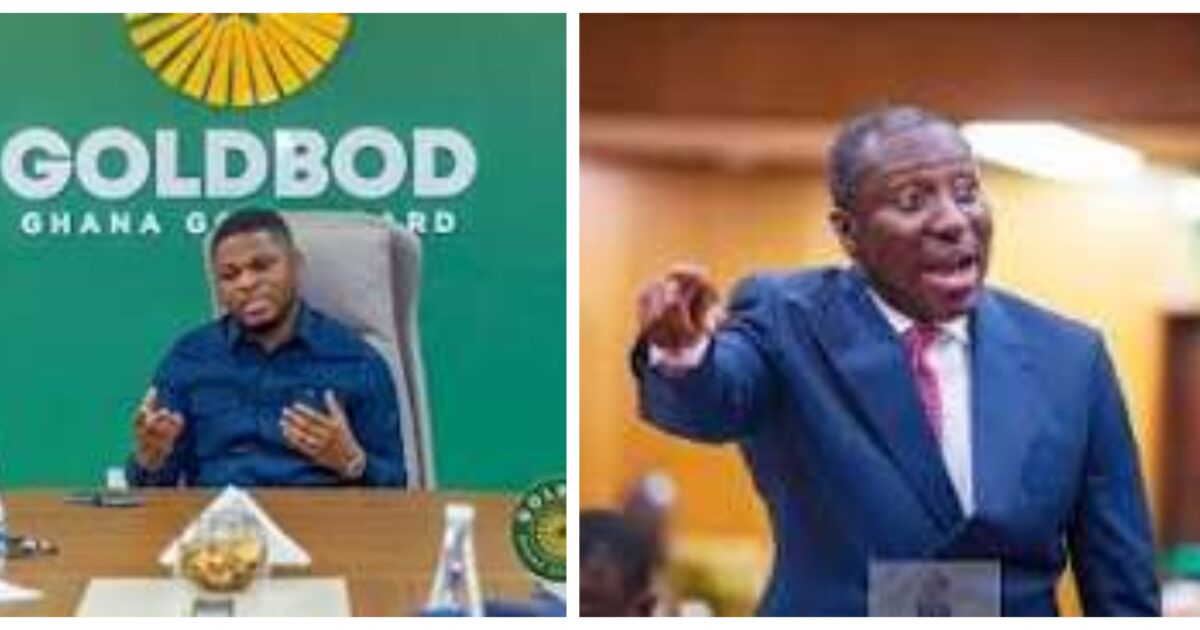
- Gold Board CEO Sammy Gyamfi says he will appear before Parliament to refute claims that the board caused billions in losses under the DGPP.
- He urges Minority Leader Alexander Afenyo‑Markin to use the Public Accounts Committee rather than press briefings to trigger an inquiry.
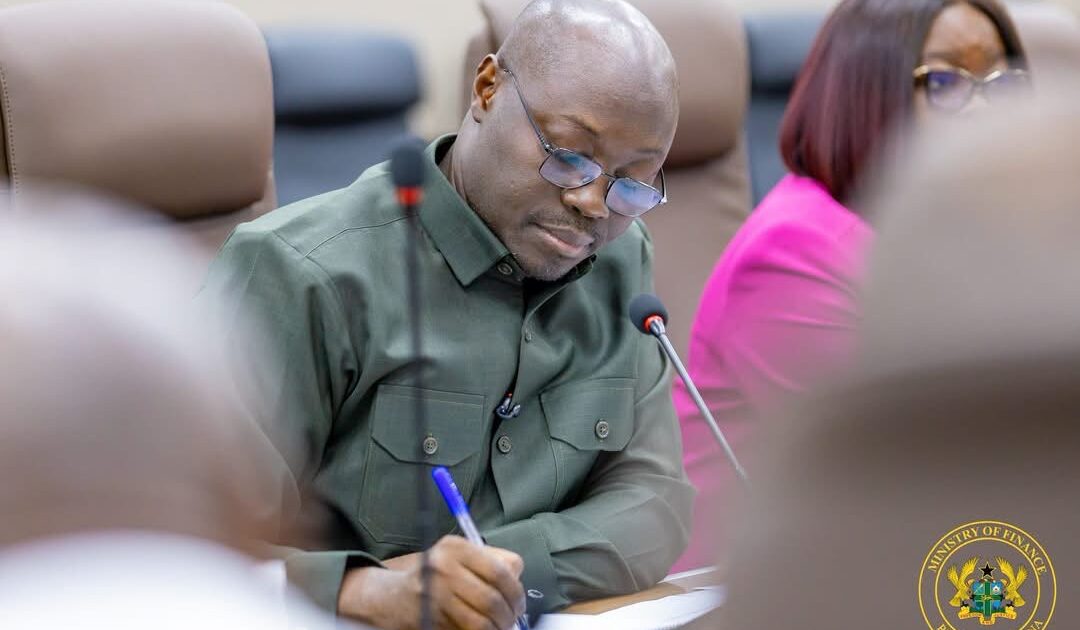
- Public Accounts Committee chair Abena Osei‑Asare has called for a probe into IMF‑cited loss figures, while the CEO demands concrete evidence linking GoldBod to the losses.
Sammy Gyamfi, chief executive of Ghana’s Gold Board, publicly invited the Minority Leader of Parliament to issue a formal summons, insisting that a parliamentary hearing is the appropriate venue to address accusations that the board was responsible for massive losses in the Bank of Ghana’s Domestic Gold Purchase Programme (DGPP). The invitation was made during the government’s Accountability Series on 19 August, a forum that regularly spotlights fiscal oversight.
The demand arrives amid a broader dispute over a reported GH¢22 billion shortfall attributed to gold trading activities, a figure that has been echoed in media reports citing an International Monetary Fund analysis. Both the opposition and the Public Accounts Committee have called for clarification, while the Gold Board maintains that the losses stem from the central bank’s programme, not from its own operations.
Background & Context
The DGPP was launched in 2022 as a mechanism for the Bank of Ghana to purchase domestic gold, stabilise prices and generate foreign exchange. Initial projections anticipated modest returns, but subsequent market volatility and pricing differentials led to concerns about fiscal exposure. An IMF briefing later referenced a US$1.7 billion loss, a conversion that has been contested by several Ghanaian officials.
GoldBod, established in 1999 to regulate the country’s gold sector, oversees licensing, production monitoring and revenue collection. Its mandate does not include direct participation in the DGPP, a distinction that forms the crux of Gyamfi’s defence. Historical precedent shows that Ghana’s parliamentary oversight of state‑linked enterprises intensified after the 2019 financial scandals involving the Ghana Cocoa Board, prompting stricter scrutiny of audit committees.
Parliamentary Dynamics
Under Ghanaian standing orders, the Public Accounts Committee (PAC) possesses the authority to summon any public officer for testimony without a separate motion from the Speaker. Gyamfi’s argument rests on this procedural prerogative, asserting that the Minority Leader can direct the PAC to issue an invitation immediately. The PAC chair, Abena Osei‑Asare, has already signalled intent to investigate the IMF‑cited loss figures, emphasizing the need for documentary evidence before attributing blame.
The political backdrop includes a contentious relationship between the Minority Leader, Alexander Afenyo‑Markin, and the ruling majority. Afenyo‑Markin has repeatedly used press conferences to pressure GoldBod, framing the issue as a matter of public accountability. Critics argue that such public posturing may circumvent the due‑process safeguards embedded in parliamentary procedure.
Implications for Ghana’s Gold Sector
If a PAC inquiry confirms that the DGPP’s design, rather than GoldBod’s management, generated the losses, the board could emerge with its credibility intact, preserving investor confidence in Ghana’s mining sector. Conversely, a finding of mismanagement could trigger reforms in licensing, revenue sharing and oversight, potentially reshaping the regulatory landscape.
The dispute also bears on Ghana’s macro‑economic outlook. Gold exports account for roughly 10 % of total export earnings; any perception of instability may affect foreign direct investment and the country’s credit rating. An IMF‑linked loss narrative, if unsubstantiated, could exacerbate fiscal pressures already heightened by external debt servicing.
Looking Ahead
The next steps hinge on whether the Minority Leader initiates a formal PAC summons. A prompt hearing would allow both sides to present audited data, enabling the committee to delineate responsibility between the Bank of Ghana’s programme and GoldBod’s regulatory role. The outcome will likely influence legislative reforms concerning public‑sector financial oversight.
Stakeholders, including mining firms, financial analysts and civil‑society groups, are monitoring the situation for signs of transparency and accountability. A decisive parliamentary resolution could set a benchmark for handling future disputes over state‑linked commodity programmes.


0 Comments
Leave a Comment
No comments yet. Be the first to share your thoughts!