

Key Takeaways
- Education Minister Haruna Iddrisu confirmed GETFund support to finish KNUST Teaching Hospital.
- Construction, stalled since 2007, is set to resume with contractors back on site.
- Completion will expand clinical training for students and health services for surrounding communities.
- Discussions also targeted STEM collaboration, research expansion, and affordable student housing.
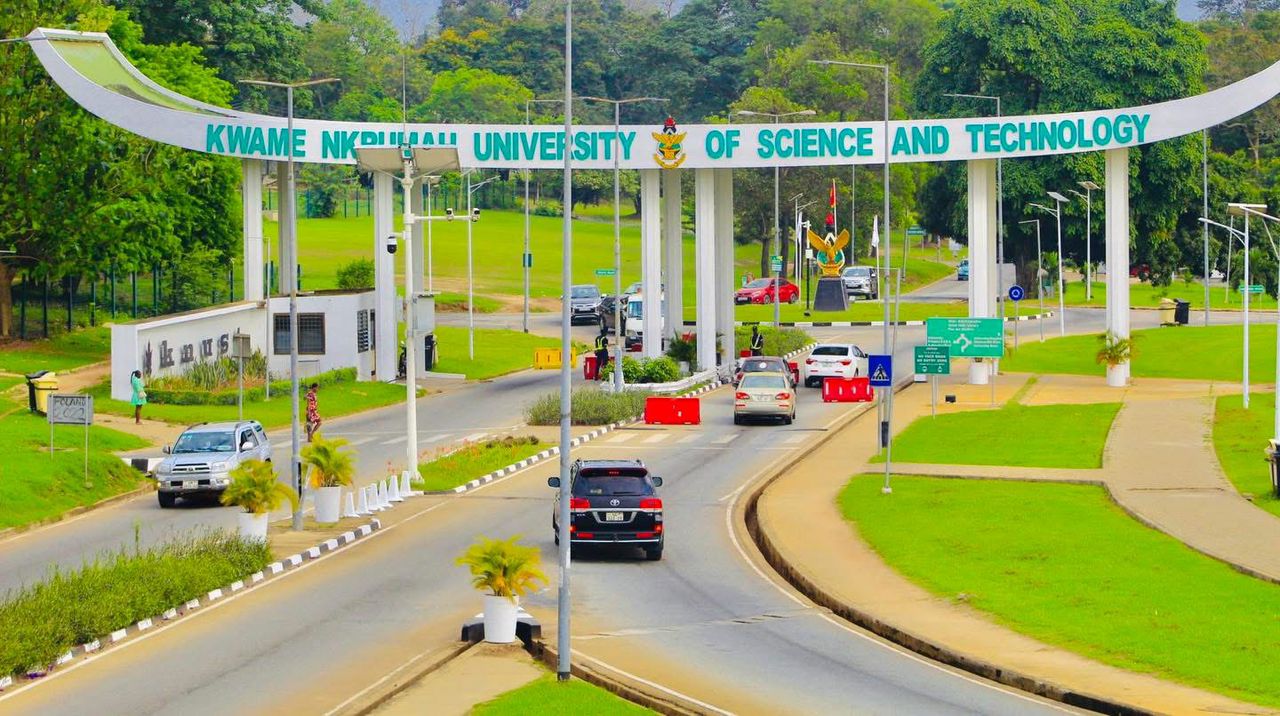
The Education Ministry announced renewed financial backing for the Kwame Nkrumah University of Science and Technology’s teaching hospital, a project that has lingered for nearly two decades. The pledge, delivered during a courtesy visit by the university’s senior management, signals a decisive shift toward fulfilling the institution’s dual mandate of education and public health.
Stakeholders highlighted the hospital’s potential to serve as a crucible for medical education, research, and community care, aligning with national goals to strengthen Ghana’s health infrastructure and STEM capacity.
Background & Context
Initiated in 2007, the teaching hospital was envisioned as a flagship facility that would integrate patient care with hands‑on training for KNUST’s health sciences students. Funding shortfalls and bureaucratic delays halted progress, leaving the structure incomplete and the university’s clinical curriculum constrained.
The Ghana Education Trust Fund, established in 2000 to finance critical educational projects, has historically under‑written large‑scale infrastructure at public universities. Its renewed commitment reflects broader governmental prioritisation of health‑linked education amid rising demand for qualified health professionals.
Strategic Implications for STEM and Research
Beyond patient services, the hospital is expected to catalyse interdisciplinary research, particularly in biomedical engineering, pharmacology, and health informatics. The university’s Technology and Consultancy Centre, now chaired by the Vice‑Chancellor, will coordinate industry partnerships to translate laboratory findings into marketable solutions.
Strengthening STEM pathways aligns with Ghana’s ambition to become a regional hub for innovation. Enhanced laboratory facilities and clinical trial capacity can attract foreign investment and grant funding, elevating KNUST’s research profile.
Community Impact and Student Welfare
When operational, the hospital will extend affordable healthcare to residents within the university’s catchment area, addressing gaps in service provision in the Ashanti region. Simultaneously, the administration is negotiating with private hostel owners to secure low‑cost accommodation, mitigating the housing pressure that often hampers student performance.
Improved health outcomes and stable living conditions are likely to boost student retention and academic achievement, reinforcing the university’s reputation for producing competent graduates.
Looking Ahead
Effective execution will require coordinated oversight between the Ministry of Education, GETFund, and KNUST’s governing bodies. Monitoring mechanisms and transparent reporting are essential to prevent recurrence of past delays.
If the project reaches completion on schedule, it could serve as a model for integrating educational infrastructure with national development objectives, reinforcing Ghana’s commitment to high‑quality STEM education and universal health access.




0 Comments
Leave a Comment
No comments yet. Be the first to share your thoughts!