
Key Takeaways
- UMaT will implement a stricter dress code from the 2026/27 academic year.
- Vice‑Chancellor Bernard Kumi‑Boateng cited concerns about “near nudity” and unconventional grooming.
- Student body is split between support for clearer standards and worries about freedom and cost.
- Calls for a flexible policy that balances professionalism with personal expression.
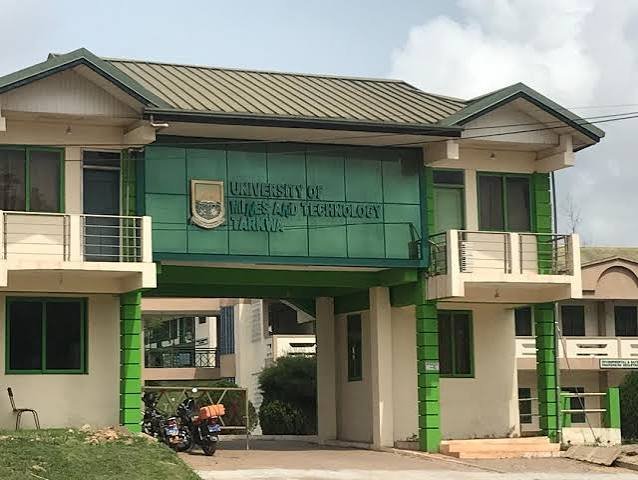
On July 25, 2026, Vice‑Chancellor Bernard Kumi‑Boateng announced that the University of Mines and Technology intends to tighten its dress code beginning the next academic session. The proposal targets what the administration describes as inappropriate attire and grooming that, in its view, undermine discipline and professional conduct on campus.
Student reactions have ranged from endorsement of clearer guidelines to concerns that mandatory formal wear could impose financial strain and curtail personal expression. The debate highlights broader tensions between institutional authority and student autonomy in Ghanaian higher education.
Background & Context
Dress codes have long been a feature of Ghanaian tertiary institutions, often reflecting colonial legacies and post‑independence efforts to project a respectable academic image. Recent years have seen a gradual relaxation of such policies, coinciding with increased student activism and a more diverse campus demographic. The proposed shift at UMaT therefore marks a reversal toward stricter enforcement after a period of relative leniency.
Professor Kumi‑Boateng’s remarks referenced specific incidents he labeled “near nudity” among female students and the prevalence of braided hairstyles and earrings on male students. While the language sparked controversy, it aligns with a broader governmental agenda that emphasizes modesty and professionalism in public spaces, including educational settings.
Student Perspectives
Interviews conducted by campus radio station Radio Univers reveal a nuanced spectrum of opinion. One respondent praised the emphasis on decency but warned that requiring official attire every weekday could be impractical for students juggling part‑time work and limited budgets. Another student argued that uniform guidelines could promote equality and a focused learning environment, suggesting that clear standards might reduce peer pressure related to fashion trends.
A female student countered that the policy should prioritize decent dress rather than formal wear, noting that many students lack access to “official” clothing yet can still present themselves appropriately. Her comment underscores the socioeconomic dimension of dress‑code debates, where the cost of suits or specific garments may exacerbate existing inequalities.
Implications for Campus Culture
If enacted, the dress code could reshape daily interactions in lecture halls, laboratories, and administrative offices. Proponents anticipate a more disciplined atmosphere that mirrors professional workplaces, potentially easing the transition of graduates into the labor market. Critics, however, caution that overly prescriptive attire may alienate students who view personal style as an extension of cultural identity.
The policy also raises questions about gendered enforcement. Past studies in Ghanaian universities indicate that dress‑code violations are more frequently reported for female students, reflecting deeper societal expectations about modesty. A balanced approach would therefore require transparent criteria and consistent application across genders.
Looking Ahead
UMaT’s administration has invited further dialogue with student representatives before finalizing the regulations. Stakeholders suggest that a tiered system—mandating formal wear for specific occasions such as presentations or examinations while allowing casual attire on regular class days—could reconcile disciplinary goals with financial realities.
The outcome of this debate may set a precedent for other Ghanaian institutions wrestling with similar issues. Monitoring the policy’s implementation and its impact on enrollment, student satisfaction, and academic performance will provide valuable data for future governance decisions.





0 Comments
Leave a Comment
No comments yet. Be the first to share your thoughts!