
Key Takeaways
- Hamas has agreed to disarm in Gaza in exchange for Israel's withdrawal from the 70% of Gaza it occupies.
- The proposal is a rare opportunity for diplomatic progress, but its success depends on complex politics and trust issues.
- The agreement's success will require sustained diplomatic engagement and a step-by-step approach to build confidence.
The proposal for Hamas to disarm in Gaza has sparked a glimmer of hope in a region ravaged by conflict and bloodshed. The idea is that as Hamas hands over its weapons, Israel will pull out of the 70% of Gaza it occupies. This delicate balance has the potential to bring about a rare moment of diplomatic progress.
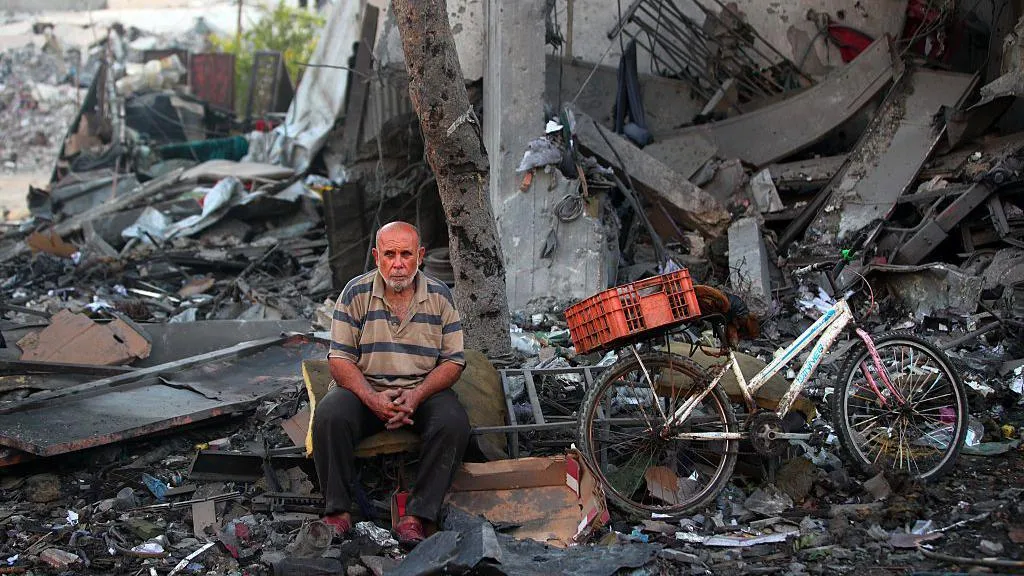
However, the complexities of politics, war, and zero trust make the process fraught with danger. The devastating effects of war have left Gaza in a catastrophic state, with over 2 million Palestinian civilians living in desperate conditions. Israel's military operations have destroyed countless homes and livelihoods, with the Hamas-run health ministry reporting over 70,000 Palestinian deaths and 20,000 children killed since October 2023, according to UN figures.
Background & Context
The situation in Gaza is dire, with widespread destruction and a severe humanitarian crisis. The organized demolition of communities and infrastructure has created a bleak picture. Many Palestinians believe Israel aims to force them out by making life unbearable, while leaders in Jordan and Egypt suspect that powerful individuals in the Israeli government are working to create the conditions for ethnic cleansing.
On the Israeli side, a strong sense of threat from Hamas persists, with many believing that the group will remain a deadly threat until it is totally disarmed and stripped of power. The Jewish majority in Israel views Hamas as a potential threat to their safety and security.
Key Findings
The diplomatic process that led to the agreement with Hamas is critical to its success. The US has elections looming, and President Donald Trump needs a win in Gaza to boost his party's chances. Netanyahu, the Israeli Prime Minister, faces pressure at home and abroad, and his ability to navigate this complex situation will be crucial.
Hamas is also under pressure, with its senior leaders and fighters killed by Israel. The group is trying to rebuild its grass roots support, focusing on social and political outreach, charitable activities, and Quran memorization programs.
Broader Implications
The success of the agreement will depend on sustained diplomatic engagement and a step-by-step approach to build confidence. Trump's involvement is crucial, but his war with Iran and other challenges may distract him from the process.
The occupied West Bank is on the verge of an explosion of even worse violence, with Jewish settlers attacking and killing Palestinians and driving them off their land. Palestinians are organizing themselves to resist, and opponents of Netanyahu believe he wants a major crisis on the West Bank to justify a tough response before the elections.
Looking Ahead
A process that does not give Palestinians a political horizon and a route to self-determination will not work, condemning another generation to lives dominated by war. Diplomatic failure would not benefit Palestinians or Israelis, as it would play into the hands of those who believe their conflict has no solution other than defeating their enemy.
The success of the Hamas disarmament proposal will depend on the ability of all parties to navigate the complexities of politics, trust, and war. A rare chink of light in a bleak picture, this agreement has the potential to bring about a new era of diplomacy and hope in the region.





0 Comments
Leave a Comment
No comments yet. Be the first to share your thoughts!