
Key Takeaways
- Seven‑month‑old infant discovered dead in a drain in Obuasi Old Estate.
- Local assembly member coordinated retrieval and burial arrangements.
- Police have opened an inquiry; residents urged to cooperate.
- Case highlights ongoing concerns about child protection in Ghana.
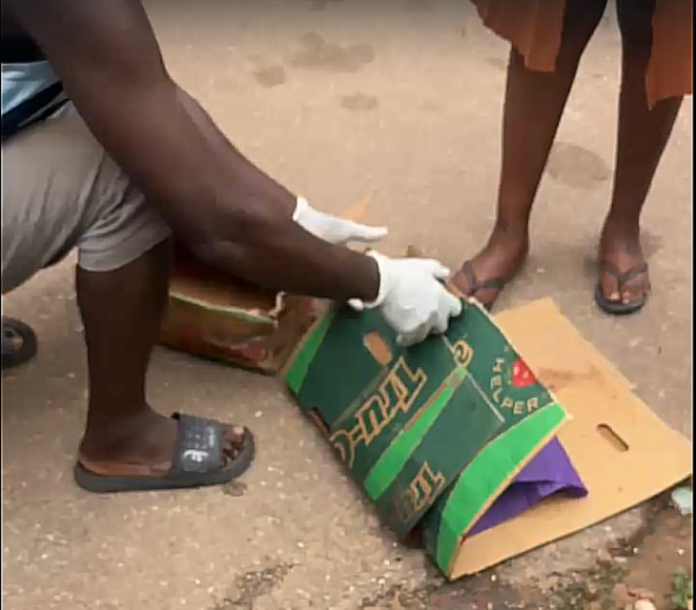
At approximately 00:30–01:00 a.m., a resident found the body of a seven‑month‑old baby in a gutter within Obuasi Old Estate, Ashanti Region. The discovery was reported to the community at 06:30 a.m., prompting swift involvement from local officials.
Assembly Member Kofi Mensah, known as Gabasey, facilitated the removal of the body and confirmed that burial plans are in place while investigations proceed.
Background & Context
Obuasi, a mining town with a population exceeding 150,000, has experienced periodic social challenges linked to rapid urbanisation. Child welfare services operate under the Ghana Child Act of 1999, which mandates reporting of suspicious deaths to the police and the Department of Social Welfare.
Historical data from the Ghana Statistical Service indicate that infant mortality in the Ashanti Region remains above the national average, driven by factors such as limited access to health facilities and socioeconomic disparities.
Investigation & Community Response
Police have initiated a forensic examination of the scene and are interviewing neighbours to reconstruct the events leading to the infant’s death. The assembly member’s public statements stress the importance of community cooperation to identify any criminal liability.
Local NGOs, including the Child Rights Coalition, have called for transparent communication from authorities and for support services for the family. Residents expressed shock and demanded heightened security measures in public spaces.
Broader Implications
The incident underscores gaps in child protection mechanisms, particularly in informal settlements where surveillance is limited. Experts note that strengthening community policing and expanding social welfare outreach could mitigate similar tragedies.
National discourse on child safety may intensify, potentially influencing policy revisions to improve reporting protocols and resource allocation for vulnerable households.
Looking Ahead
Authorities are expected to release preliminary findings within the next two weeks. Ongoing monitoring by civil society groups will be crucial to ensure accountability and to advocate for systemic reforms.
Future initiatives may include targeted awareness campaigns and the establishment of a local child welfare liaison office to foster quicker response to emergencies.






0 Comments
Leave a Comment
No comments yet. Be the first to share your thoughts!