
Key Takeaways
- Jamaica will submit a formal petition to King Charles asking the Judicial Committee of the Privy Council to rule on the legality of slavery under English and international law.
- The request includes three specific legal questions, one of which asks whether Britain now bears a duty to provide redress.
- Culture Minister Olivia Grange will also meet British Museum officials to advance the repatriation of Jamaican artefacts taken during the colonial era.
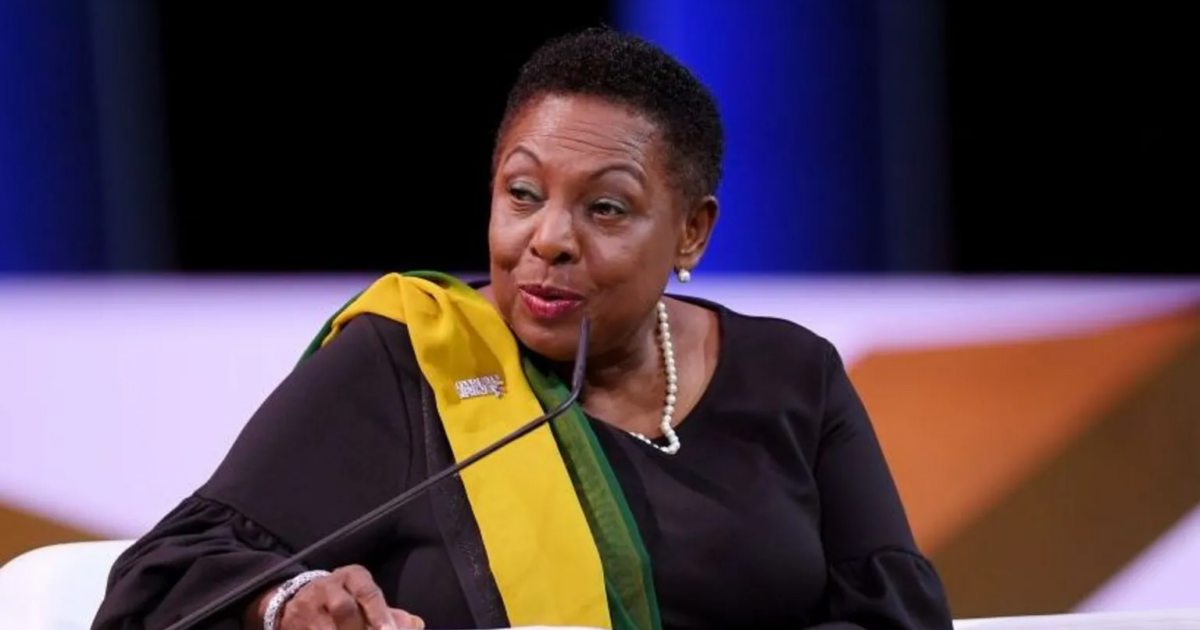
Jamaica’s government is preparing a historic petition that will be presented to the British monarch on Monday. The document seeks a formal referral of three legal questions to the Judicial Committee of the Privy Council, the island’s highest appellate body.
Culture Minister Olivia Grange described the move as a step toward addressing the “centuries‑long abuse” suffered by enslaved Africans and their descendants, while also launching renewed dialogue on the restitution of cultural objects.
Historical and Legal Context
The transatlantic slave trade anchored the economies of both Britain and its Caribbean colonies for more than two centuries. When the British Parliament passed the Slavery Abolition Act of 1833, it allocated roughly £20 million to compensate slave‑owners, a debt financed through public borrowing and only fully cleared in 2015. The compensation scheme never extended to the enslaved, leaving a moral and financial asymmetry that persists in contemporary debates.
Legal scholars note that the question of whether the institution of slavery was ever lawful under English common law remains unsettled. While statutes such as the 1772 Somerset case hinted at limited protections, the broader legal framework of the eighteenth‑century empire lacked explicit prohibitions against ownership of human beings. The Jamaican petition asks the JCPC to clarify this historical ambiguity and assess its relevance under modern international law.
The Petition Process and the Judicial Committee
Under constitutional convention, the monarch’s role is ceremonial; the King does not exercise discretion over the referral of legal matters. Once the petition is lodged, the Privy Council will determine whether the three questions merit a formal opinion. An affirmative ruling could set a precedent for other Caribbean nations seeking judicial clarification of colonial‑era injustices.
Experts in post‑colonial law caution that a Privy Council opinion, while authoritative, would not itself mandate reparations. Instead, it would provide a legal foundation on which legislative bodies or diplomatic negotiations could build. The Jamaican government has emphasized that the petition is not a demand for payment but a request for a definitive legal assessment.
Cultural Repatriation Efforts
Parallel to the legal initiative, Minister Grange will engage with senior officials of the British Museum to discuss the return of artefacts removed from Jamaica during the colonial period. The items, described as “priceless” and integral to the island’s heritage, have been the subject of mounting international pressure on museums to decolonize their collections.
Recent precedent, such as the restitution of Benin bronzes to Nigeria, illustrates a shifting paradigm in which source communities are reclaiming cultural property. Jamaican officials argue that repatriation not only restores historical narratives but also supports cultural revitalization and education.
Looking Ahead
The outcome of the petition will likely influence diplomatic relations between the United Kingdom and Caribbean states, potentially prompting broader reparative dialogues across the Commonwealth. Ongoing discussions with the British Museum may also shape future policies on the provenance of museum holdings.
Regardless of the Privy Council’s decision, the Jamaican initiative marks a decisive moment in the global reckoning with slavery’s legacy, anchoring legal inquiry and cultural restitution as complementary pathways toward redress.


0 Comments
Leave a Comment
No comments yet. Be the first to share your thoughts!