
Key Takeaways
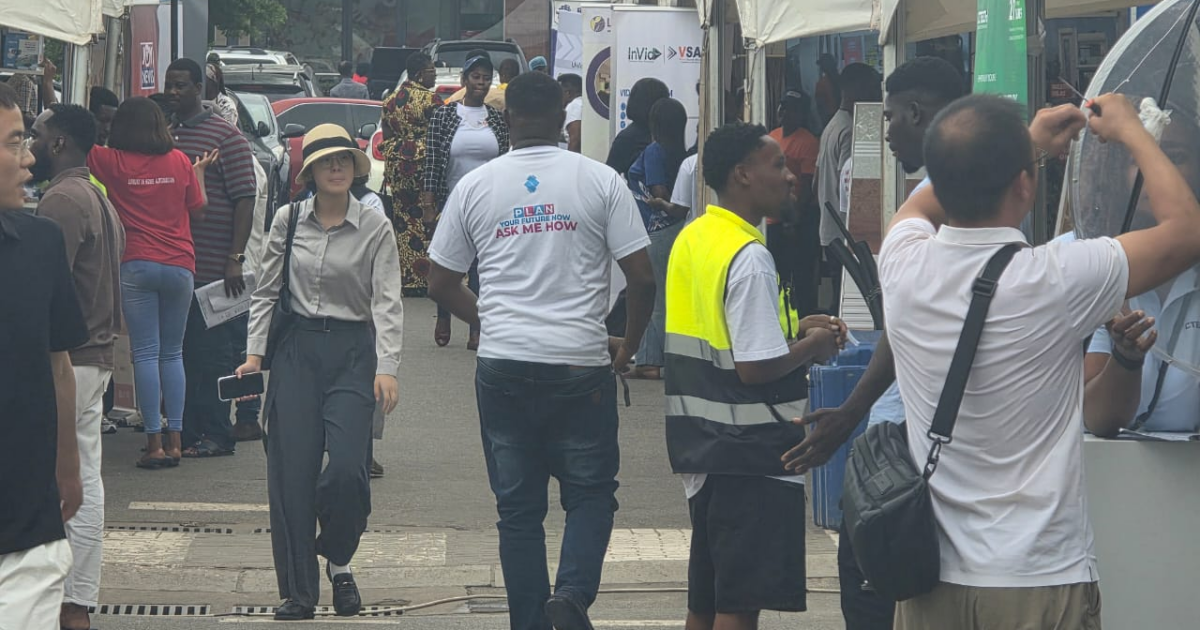
- The three‑day JoyNews‑Republic Bank Habitat Fair concluded at Achimota Retail Centre on August 23, drawing thousands of visitors.
- Exhibitors presented building materials, financing options, and home‑improvement services, enabling direct dialogue between consumers and industry players.
- Attendance stayed robust despite intermittent rain, reflecting strong demand for affordable home‑ownership pathways.
- Collaboration with Republic Bank and Drive EV GH highlighted a coordinated effort to expand Ghana’s housing value chain.
The Habitat Fair, staged under the banner “Dream it. Explore it. Own it,” offered a concentrated platform for prospective homeowners to encounter the full spectrum of Ghana’s housing ecosystem. Over three days, the Achimota Retail Centre transformed into a marketplace where construction firms, financiers, and interior designers converged.
Organisers positioned the event as a bridge between aspiration and execution, aiming to move participants from abstract desire to concrete planning. The fair’s closure marks the end of a focused period of interaction that is expected to reverberate across the sector.
Sector Participation and Offerings
More than a dozen companies spanning the housing value chain set up booths, ranging from raw material suppliers such as Akwaaba Building Materials and Saint‑Gobain Ghana to technology providers like MTN and Drive EV GH. Property developers, including Clifton Homes, displayed upcoming projects, while financial institutions presented mortgage products tailored to first‑time buyers.
Exhibitors leveraged the venue to demonstrate product durability, energy‑efficiency features, and cost‑effectiveness. Demonstrations of prefabricated components and modular construction techniques illustrated emerging trends that could shorten build timelines and reduce labor costs.
Consumer Engagement and Decision‑Making
Visitors moved between stands, comparing specifications, pricing structures, and service guarantees. Direct conversations with industry experts allowed attendees to clarify financing terms, evaluate material warranties, and assess the feasibility of various building approaches.
The fair’s interactive format encouraged participants to formulate actionable plans, shifting the narrative from passive interest to active procurement. Feedback collected by organisers indicated that many attendees left with a shortlist of suppliers and a clearer timeline for project initiation.
Implications for Ghana’s Housing Market
The sustained footfall, even during rainy intervals, signals a robust appetite for home‑ownership solutions amid rising urbanization pressures. By consolidating disparate services under one roof, the fair highlighted the potential for integrated service models that could streamline the construction pipeline.
Partnerships with financial entities underscore the importance of accessible credit in expanding the market. The visibility of renewable‑energy solutions, such as electric vehicle charging infrastructure, points toward a gradual alignment of housing development with broader sustainability goals.
Looking Ahead
Organisers anticipate that the dialogues initiated at the fair will translate into concrete transactions in the months ahead, influencing material demand, financing volumes, and construction activity. Continued collaboration among banks, developers, and technology firms could foster a more cohesive ecosystem, reducing barriers for aspiring homeowners.
Future editions of the Habitat Fair may incorporate digital matchmaking tools and post‑event follow‑up services, further embedding the event within Ghana’s evolving housing strategy.



0 Comments
Leave a Comment
No comments yet. Be the first to share your thoughts!