
Key Takeaways
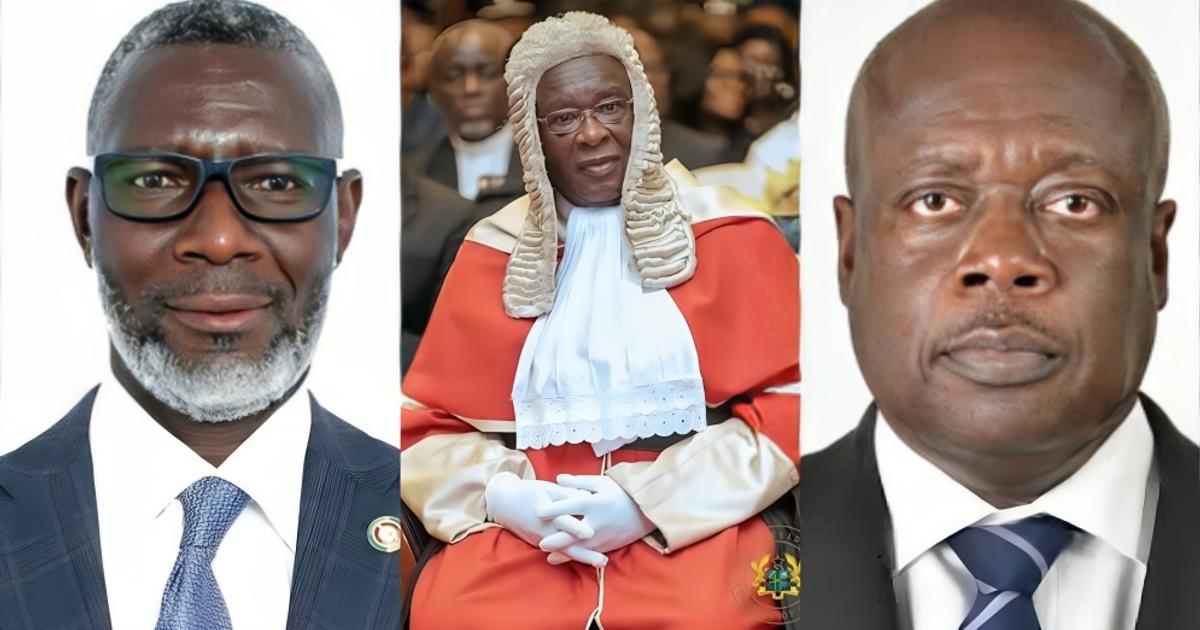
- The President of Ghana has nominated three individuals for Supreme Court appointments: Justice Sophia Rosetta Bernasko Essah, Justice Edward Amoako Asante, and Tony Forson.
- The nominees, if approved, will increase the number of Supreme Court justices from 18 to 21, enhancing the court's capacity to handle constitutional, civil, and criminal cases.
- The appointments are subject to parliamentary approval and will strengthen the Supreme Court's role in upholding the rule of law and ensuring justice in Ghana.
The nomination of Justice Sophia Rosetta Bernasko Essah and Justice Edward Amoako Asante, both serving Justices of the Court of Appeal, follows a long-standing tradition of promoting capable judges to higher courts. Their extensive experience in the judicial system will undoubtedly contribute to the Supreme Court's ability to deliver timely and informed verdicts.
In the case of Tony Forson, a private legal practitioner and former President of the Ghana Bar Association, his appointment to the Supreme Court marks a significant shift in the court's composition. As a respected legal expert, Forson brings a unique perspective to the bench, having previously navigated the complexities of Ghana's legal landscape as a practicing lawyer and association leader.
Background & Context
The Supreme Court of Ghana is the highest court in the land, responsible for interpreting the constitution, resolving disputes, and ensuring the rule of law. With the increasing complexity of cases, the court's capacity to deliver timely verdicts has become a pressing concern. The proposed appointments, if approved, will enable the court to handle a larger caseload, thereby enhancing the administration of justice in Ghana.
In Ghana's history, the Supreme Court has played a pivotal role in shaping the country's legal framework and upholding the rights of citizens. The appointments of the three nominees will strengthen the court's ability to perform this critical function, ensuring that justice is served and the rule of law is upheld.
Key Findings
The nominations of Justice Sophia Rosetta Bernasko Essah and Justice Edward Amoako Asante highlight the President's commitment to promoting capable judges to higher courts. Their extensive experience and expertise will undoubtedly contribute to the Supreme Court's ability to deliver informed and timely verdicts.
Meanwhile, Tony Forson's appointment marks a significant shift in the court's composition, bringing a unique perspective to the bench. As a respected legal expert, Forson will navigate the complexities of Ghana's legal landscape with the authority and expertise required to make informed decisions.
Broader Implications
The proposed appointments have far-reaching implications for Ghana's justice system. With an increased number of justices, the Supreme Court will be better equipped to handle a larger caseload, reducing the backlog of cases and ensuring that justice is delivered in a timely manner.
The appointments also underscore the importance of judicial independence in Ghana's democracy. The President's decision to nominate capable judges and respected legal experts demonstrates a commitment to upholding the rule of law and ensuring that the justice system remains impartial and effective.
Looking Ahead
The proposed appointments will be subject to parliamentary approval, which is expected to be a straightforward process given the nominee's qualifications and experience. Once approved, the new justices will be sworn in and begin serving on the Supreme Court, strengthening the court's capacity to deliver justice to the people of Ghana.
The successful appointments will also pave the way for future efforts to strengthen the judicial system in Ghana, ensuring that the country's highest court remains a bastion of justice, integrity, and independence.




0 Comments
Leave a Comment
No comments yet. Be the first to share your thoughts!