Key Takeaways
- M.anifest warns that Ghanaian stan culture erodes artistic value.
- He dismisses the notion of forced unity, calling for cooperation and ethical standards.
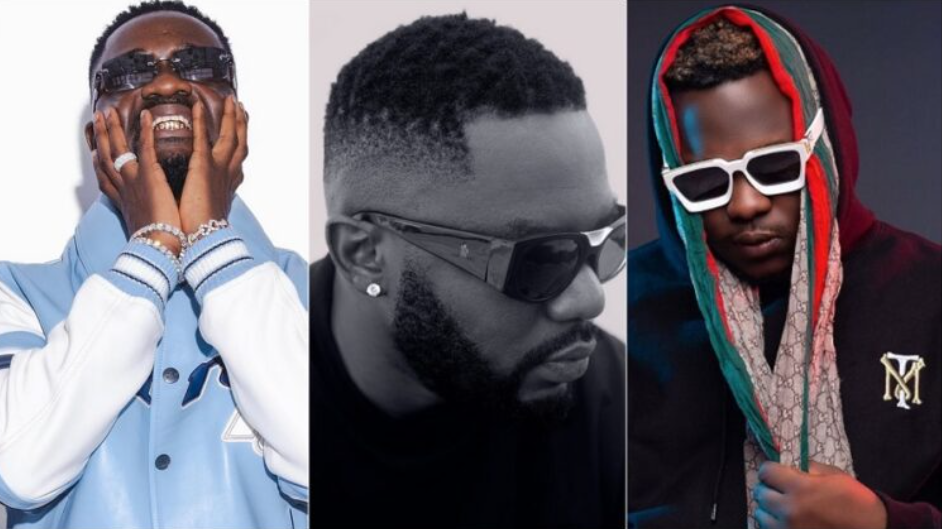
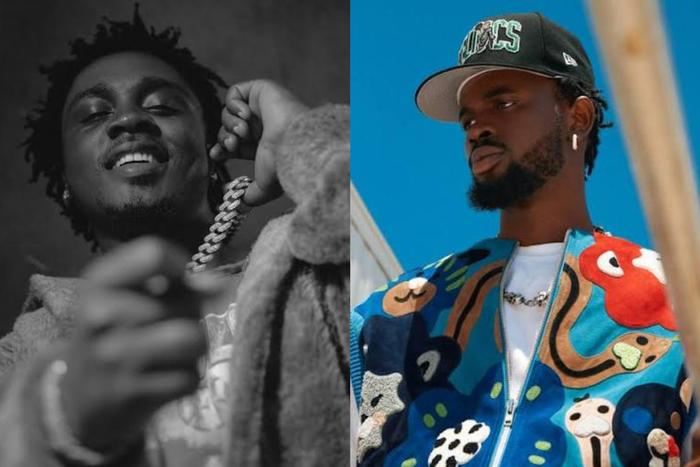
- The Sarkodie‑Stonebwoy rivalry has escalated fan hostility, pulling Shatta Wale into the debate.
- Industry analysts caution that unchecked fan aggression could hamper creative growth.
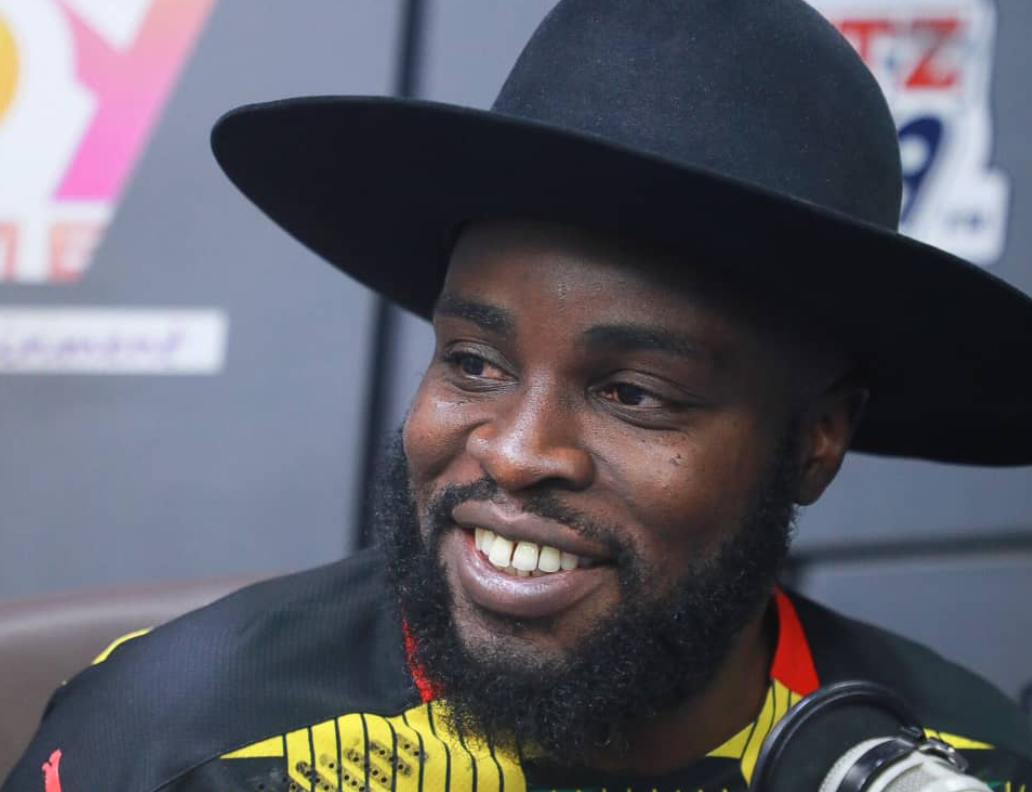
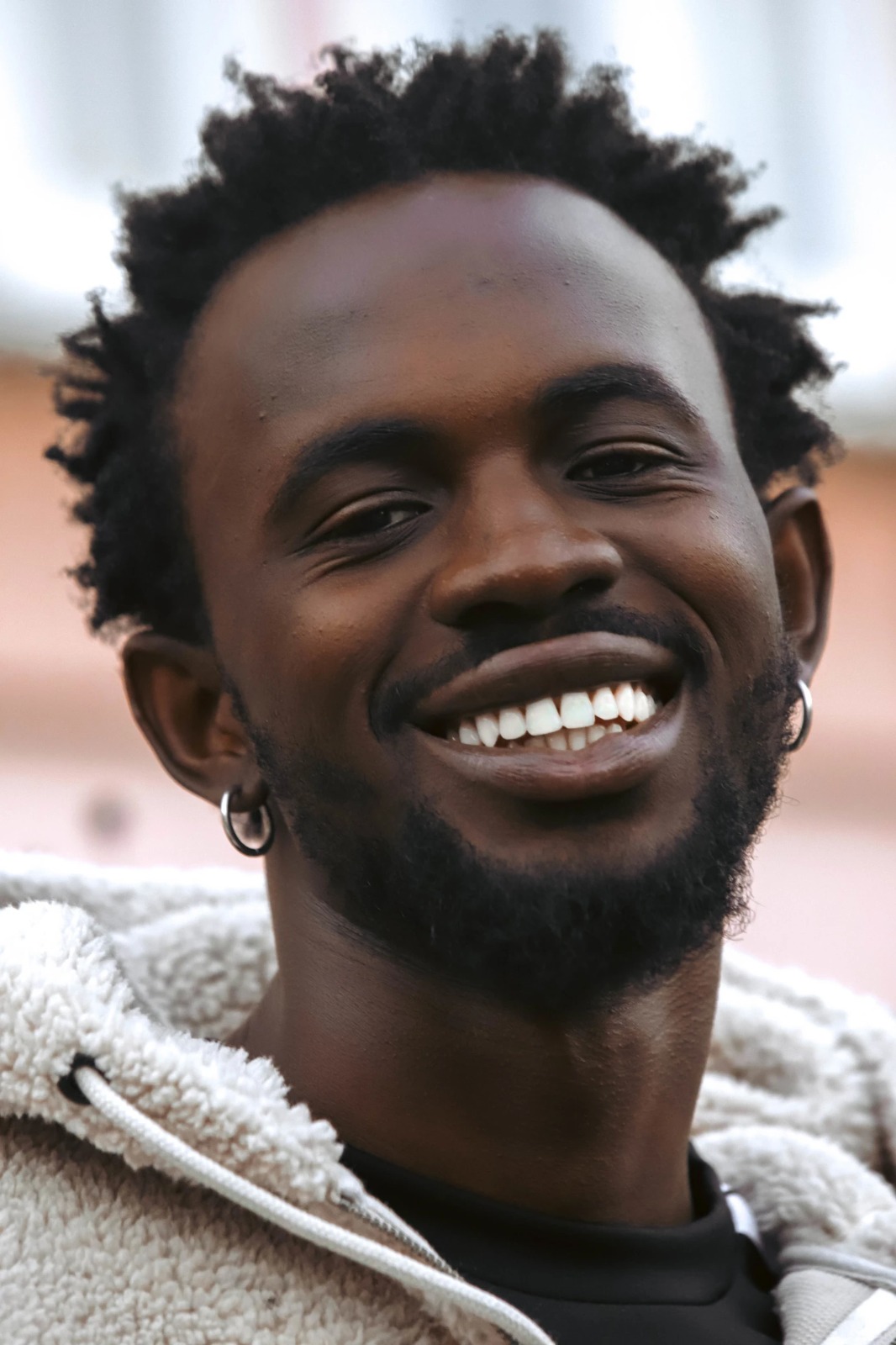
M.anifest used his X platform to highlight the corrosive effect of fan‑driven hostility on Ghana’s music scene. His remarks arrive amid a heated exchange between hip‑hop heavyweight Sarkodie and dancehall star Stonebwoy, a clash that has polarized online communities.
The rapper’s critique extends beyond a single feud, questioning whether the industry’s repeated calls for “unity” mask deeper structural deficiencies. He proposes a shift toward cooperation, ethical conduct, and professional standards as a more sustainable path.
Background & Context
Fan “stan” culture in Ghana traces its roots to the early 2000s, when social media amplified artist‑centric communities. While loyalty can boost concert attendance and streaming numbers, it also creates echo chambers where rivalries become identity battles. The Sarkodie‑Stonebwoy dispute exemplifies this trend, with supporters deploying memes, hashtags, and coordinated comment storms.
Historically, Ghanaian music has thrived on collaborative rivalries—such as the 1990s highlife duels—that spurred creative innovation. The current digital environment, however, accelerates antagonism, allowing hostility to spread beyond lyrical sparring into personal attacks and threats.
M.anifest’s Position on Unity and Cooperation
In a June 2026 post, M.anifest rejected the industry’s mantra of unconditional unity, labeling it a “myth” wielded by self‑interested actors. He argued that genuine progress depends on transparent business practices, quality control, and shared knowledge rather than symbolic solidarity.
His September 2026 statement directly addressed the toxic dimensions of stan culture, asking why fans cannot enjoy rivalries without resorting to hatred. By framing the issue as a net negative for cultural health, he positioned ethical responsibility alongside artistic merit.
These viewpoints align with broader calls from Ghanaian cultural scholars who emphasize professionalization, intellectual property education, and dispute‑resolution mechanisms as safeguards against fan‑driven volatility.
Impact of Fan Rivalries on the Ghanaian Music Landscape
The ongoing feud has fragmented online discourse, with each camp mobilizing digital resources to defend its favorite artist. This polarization distracts from substantive discussions about lyrical content, production quality, and market strategy.
Commercially, record labels observe heightened streaming spikes during rivalry peaks but also note increased risk of brand damage when fan aggression spills into real‑world incidents. The involvement of Shatta Wale, who intervened via a TikTok Live session, illustrates how third‑party artists become arbiters in fan‑fuelled controversies.
Long‑term implications include potential erosion of audience trust, reduced willingness of sponsors to associate with volatile acts, and a chilling effect on emerging talent wary of entering a hostile fan environment.
Looking Ahead
Industry stakeholders are urged to develop code‑of‑conduct guidelines for fan engagement, incorporate conflict‑management training for artists, and promote collaborative projects that showcase mutual respect. Monitoring platforms could flag coordinated harassment, while educational campaigns might recalibrate fan expectations toward constructive support.
If the Ghanaian music community embraces cooperation over divisive fandom, it could restore focus on artistic excellence and sustain the sector’s growth amid a rapidly evolving digital landscape.


0 Comments
Leave a Comment
No comments yet. Be the first to share your thoughts!