
Key Takeaways
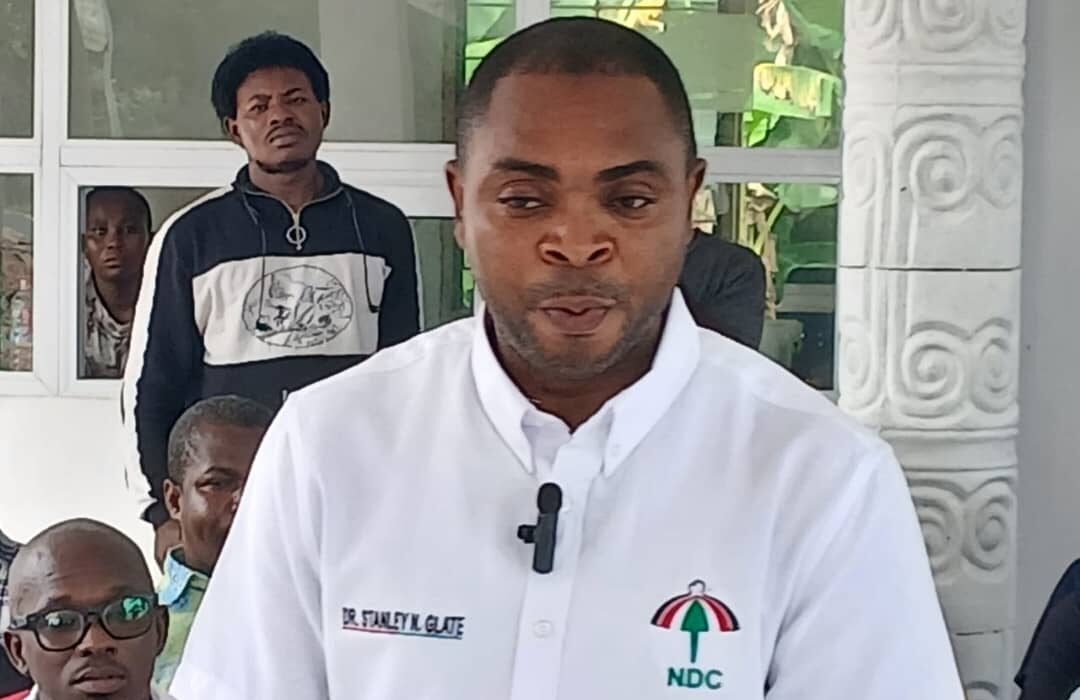
- Dr Glate stresses that the NDC’s regional strength derives from grassroots resolve, not solely the secretariat.
- He proposes reshaping the regional secretariat into a constituency‑focused institution that values every branch.
- Enhanced communication and coordinated support are positioned as essential for party effectiveness.
- The reforms aim to boost cohesion ahead of the next electoral cycle.
In a recent address, Dr Glate outlined a strategic overhaul of the National Democratic Congress’s regional machinery, arguing that the party’s vitality rests on the collective energy of members at branch, electoral‑area and constituency levels. The remarks come as the NDC prepares for intensified competition in upcoming national and local elections.
The proposed shift seeks to replace a traditionally top‑down secretariat model with a network that actively listens to activists, allocates resources to under‑served branches, and synchronises messaging across Ghana’s diverse political landscape.
Background & Context
Historically, the NDC’s regional secretariats have functioned as administrative hubs, coordinating campaign logistics and policy dissemination. Critics have long argued that the structure often marginalised peripheral constituencies, creating disparities in resource allocation and member engagement. Dr Glate’s comments echo internal reform movements that gained momentum after the 2020 election cycle, when the party’s regional performance varied markedly across the country.
Comparative analysis of Ghanaian party structures shows that parties with robust constituency linkages tend to sustain voter loyalty during off‑cycle periods. The NDC’s experience mirrors this pattern, prompting senior officials to reconsider the balance between central oversight and local autonomy.
Proposed Structural Changes
The new blueprint envisions the regional secretariat as a “constituency‑focused institution.” Under this model, each constituency would receive a dedicated liaison officer responsible for relaying concerns, distributing campaign material, and tracking grassroots fundraising. Branches would gain direct access to a centralized digital platform that aggregates performance metrics, training modules, and policy updates.
Crucially, Dr Glate highlighted the need for “effective communication” between the secretariat and constituencies. He suggested regular town‑hall style briefings, real‑time data dashboards, and a feedback loop that empowers activists to influence regional strategy. Implementation would require investment in ICT infrastructure and a recalibration of staff roles to prioritize outreach over bureaucratic processing.
Implications for Party Dynamics
If executed, the reforms could recalibrate power dynamics within the NDC, shifting influence from senior regional officials to locally elected representatives. This decentralisation may foster greater accountability, as constituency leaders would be directly answerable to their members rather than to a distant secretariat hierarchy.
However, the transition also poses risks. Rapid restructuring could strain limited financial resources and generate friction among entrenched officials accustomed to the existing chain of command. Success will hinge on the party’s ability to manage change while maintaining a coherent national narrative.
Looking Ahead
Dr Glate’s vision aligns with broader trends in Ghanaian politics that privilege data‑driven, community‑centric campaigning. As the NDC rolls out pilot programs in select regions, observers will monitor how the new framework impacts voter mobilisation and intra‑party cohesion ahead of the 2026 general elections.
Stakeholders across civil society and academic circles anticipate that the outcome could set a precedent for how political parties in Ghana balance central coordination with grassroots empowerment, potentially reshaping the nation’s democratic processes.



0 Comments
Leave a Comment
No comments yet. Be the first to share your thoughts!