
Key Takeaways
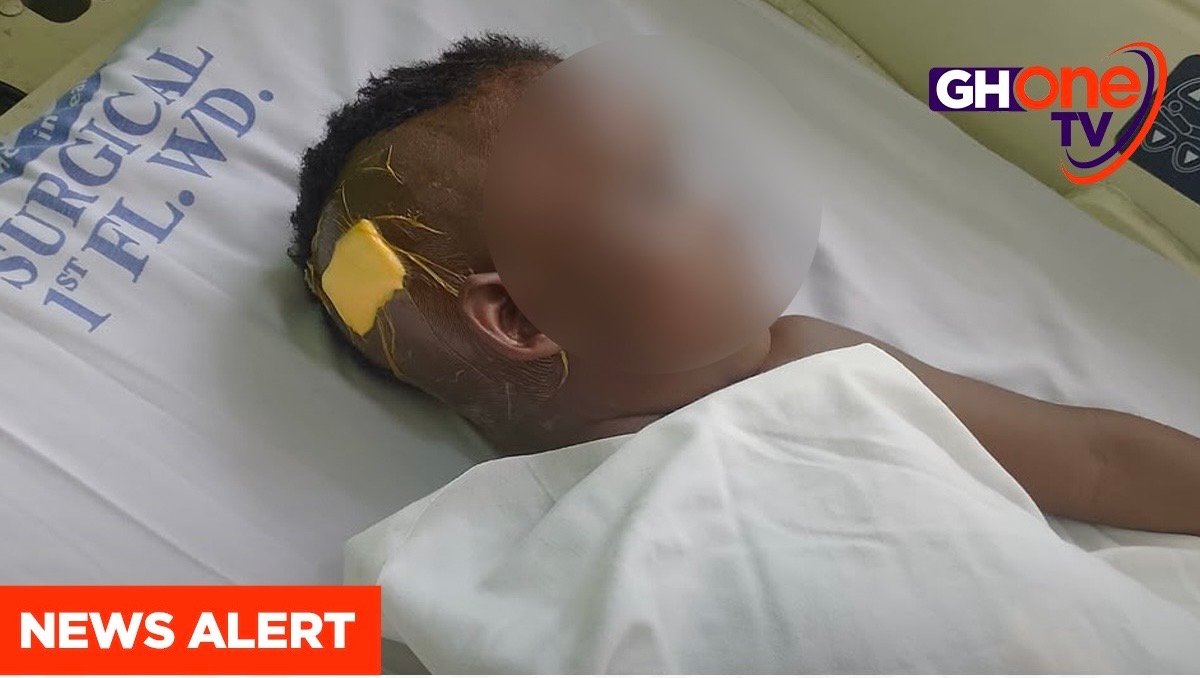
- Joycelyn Amoako, five, diagnosed with a brain tumour in Nkawkaw.
- Initial surgery addressed fluid accumulation; tumour removal remains pending.
- Parents have launched a public appeal for funds to cover the second operation.
- Projected cost exceeds average household income in the Eastern Region.
Joycelyn Amoako, a five‑year‑old resident of Nkawkaw in Ghana’s Eastern Region, was found to have a brain tumour that obstructed cerebrospinal fluid flow. Doctors performed an emergency procedure to relieve the blockage and stabilise her condition.
The family now faces a second, more complex surgery to excise the primary tumour. The cost of the operation, postoperative care, and related expenses has prompted the parents to seek assistance from individuals and charitable organisations.
Medical Background
Pediatric brain tumours represent a small but serious proportion of childhood illnesses in Ghana. Early detection often relies on symptom recognition and limited imaging resources, which can delay definitive treatment. In Joycelyn’s case, imaging revealed a mass that caused hydrocephalus, a condition where fluid buildup raises intracranial pressure.
The initial intervention, a ventriculostomy, created a pathway for fluid drainage, preventing immediate neurological damage. Neurosurgeons now recommend a craniotomy to remove the tumour, a procedure that carries higher risk and demands specialised equipment.
Financial Challenge
The estimated expense for the craniotomy, intensive care, and follow‑up therapy exceeds GHS 200,000. Public health insurance in Ghana provides limited coverage for such high‑cost neurosurgical care, leaving families to shoulder the balance. The Amoako household reports a monthly income below the national average, making the out‑of‑pocket burden unsustainable.
Community fundraising efforts have emerged on social media platforms, with local NGOs expressing willingness to coordinate donations. Transparent accounting mechanisms are being established to assure contributors of proper fund allocation.
Broader Context
Joycelyn’s situation highlights systemic gaps in Ghana’s health financing for rare, high‑cost conditions. While tertiary hospitals in Accra and Kumasi offer advanced neurosurgery, geographic distance and transportation costs add further barriers for families in the Eastern Region.
Policy analysts note that expanding the National Health Insurance Scheme to include comprehensive coverage for complex surgeries could reduce reliance on ad‑hoc philanthropy. The case may serve as a catalyst for broader advocacy on pediatric oncology funding.
Looking Ahead
If the required funds are secured, Joycelyn can undergo tumour resection within the next month, improving her prognosis. Ongoing monitoring will be essential to detect recurrence and manage rehabilitation.
The public response to the appeal will likely influence future community‑driven health initiatives, underscoring the interplay between medical need and societal support in Ghana.

0 Comments
Leave a Comment
No comments yet. Be the first to share your thoughts!