
Key Takeaways
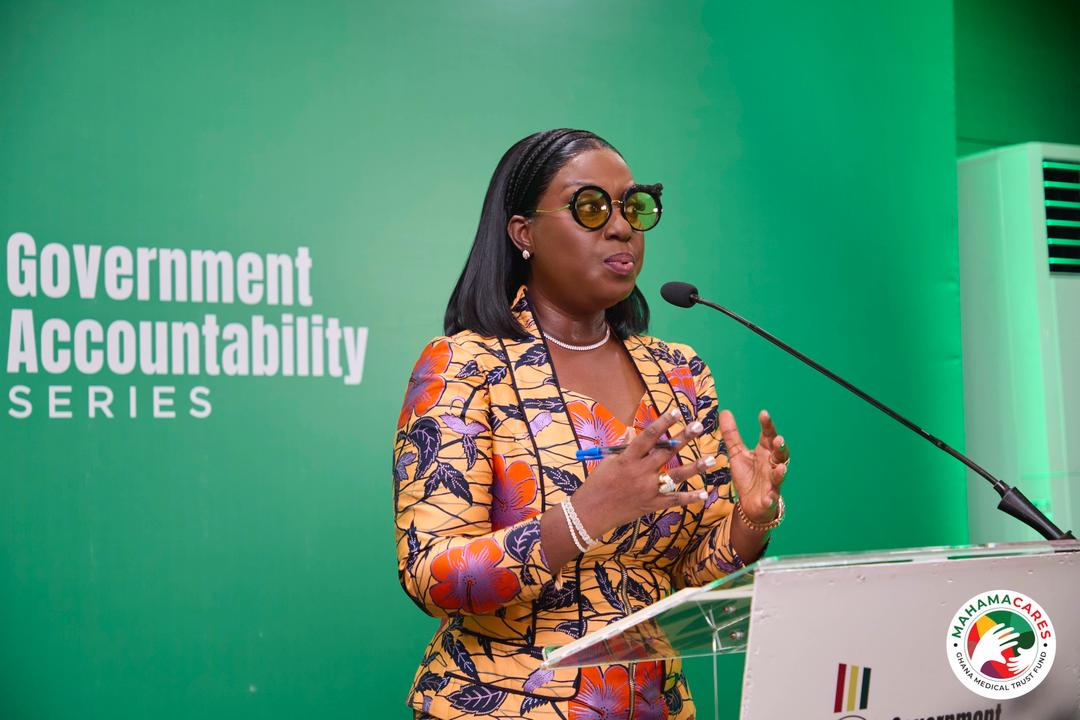
- Obuobia Opoku‑Darko, administrator of the Ghana Medical Trust Fund, experienced acute financial hardship after losing the 2012 parliamentary contest in Weija‑Gbawe.
- Her account illustrates how political defeat can abruptly remove informal patronage networks that many Ghanaian leaders rely upon.
- She called for systematic self‑care and community mechanisms that sustain leaders beyond electoral cycles.
- The narrative links personal faith to resilience in the face of socioeconomic stress.
Obuobia Opoku‑Darko, a former parliamentary candidate and current administrator of the Ghana Medical Trust Fund, recounted her post‑election experience during a thanksgiving service marking her 49th birthday. The testimony offers a rare glimpse into the private economic realities that can follow a loss at the ballot box in Ghana's competitive multiparty system.
While her public profile emphasizes advocacy for health‑related philanthropy, the interview revealed that the cessation of constituency‑based support left her household unable to meet basic expenses, including prepaid telephone credit. The episode underscores the fragility of income streams that depend heavily on political capital.
Background & Context
The 2012 general election saw the New Patriotic Party retain power nationally, while several incumbent candidates in marginal constituencies, including Weija‑Gbawe, were unseated. Ghanaian politics often intertwines formal legislative duties with informal constituency assistance, a practice that blurs the line between public service and personal patronage.
Opoku‑Darko’s role as administrator of the Ghana Medical Trust Fund positions her at the intersection of health policy implementation and community outreach. Historically, fund administrators have leveraged political connections to mobilise resources for vulnerable populations, a model that can become unsustainable when electoral fortunes reverse.
Personal Impact of Electoral Defeat
In the weeks following the vote, Opoku‑Darko reported a sudden decline in foot traffic to her residence, a space that previously functioned as an informal aid centre from the early morning hours. The loss of these spontaneous visits translated into a measurable reduction in informal cash flows that had supplemented her household budget.
She described borrowing to meet immediate needs, a situation that illustrates how reliance on ad‑hoc community contributions can expose personal finances to volatility. The episode aligns with academic findings that former legislators in Ghana often face a “post‑office” period marked by diminished access to patronage networks.
Her reflection also highlighted the psychological dimension of the setback, noting that the absence of familiar supporters intensified feelings of isolation. The narrative connects material scarcity with a broader existential search for stability, invoking faith as a coping mechanism.
Implications for Political Patronage and Community Support
The account challenges the sustainability of a political culture where elected officials serve as primary distributors of welfare resources. When electoral outcomes shift, the abrupt withdrawal of these informal channels can jeopardise both the leaders and the constituents who depend on them.
Experts in Ghanaian governance argue for institutionalizing support mechanisms—such as transparent constituency development funds—to reduce dependence on personal patronage. Such reforms could mitigate the financial shock experienced by former office‑holders and promote continuity of service delivery.
Opoku‑Darko’s emphasis on self‑refill, likening personal resilience to a cup that must be replenished, resonates with emerging discourse on mental health and burnout among public servants. Integrating structured wellbeing programs within political parties could address the “empty cup” phenomenon she described.
Looking Ahead
The testimony invites policymakers to reassess the balance between elected authority and community‑based support structures. Formalizing assistance channels may protect both leaders and beneficiaries from the vicissitudes of electoral turnover.
Opoku‑Darko’s experience also reinforces the role of personal faith and social networks in navigating economic distress, suggesting that holistic approaches—combining financial safeguards with psychosocial resources—are essential for sustainable public service.




0 Comments
Leave a Comment
No comments yet. Be the first to share your thoughts!