
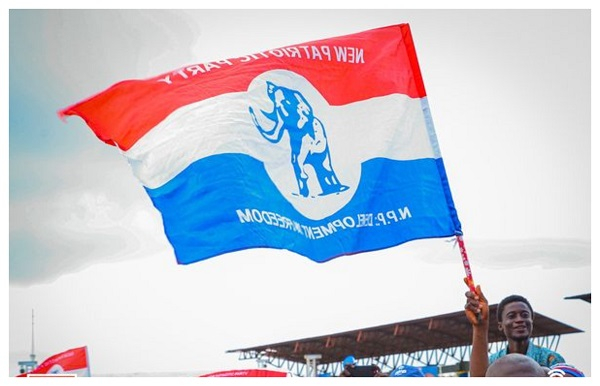
Key Takeaways
- Amendments seek to reduce the National Chairman’s workload and promote balanced leadership.
- Article 10(2) will require a detailed administrative manual for all party officers.
- The presidential candidate will shape the campaign hierarchy, appointing a National Campaign Advisory Committee.
- Reforms target geographic, ethnic, religious and gender equity within the party.
The national executive has tabled a suite of constitutional changes designed to modernise internal operations and broaden representation across the party’s hierarchy. Proponents argue that the measures will alleviate the administrative burden on the National Chairman while embedding clearer accountability at every level.
Central to the proposal are three amendments: a mandate for an exhaustive officer manual, a reallocation of campaign‑building authority to the presidential hopeful, and explicit language to ensure diversity in leadership appointments. The draft reflects a growing consensus that party structures must evolve to match Ghana’s increasingly pluralistic electorate.
Background & Context
Historically, the party’s governance framework has relied on informal conventions to define roles and responsibilities, leaving room for ambiguity and overlap. Recent internal audits highlighted gaps in documentation, causing delays in decision‑making and uneven workload distribution among senior officials. The push for a formal administrative manual responds to these systemic inefficiencies.
Simultaneously, the political landscape has witnessed heightened scrutiny of representation, with civil society urging parties to mirror the nation’s demographic mosaic. Calls for gender parity, ethnic balance, and religious inclusivity have become a litmus test for credibility, prompting the current leadership to embed these criteria within the constitutional text.
Proposed Structural Changes
Article 10(2) would obligate the National Council to produce a comprehensive manual outlining duties, reporting lines, and performance metrics for elected and non‑elected officers at national, regional, and constituency levels. The document is expected to serve as a reference point for training, dispute resolution, and succession planning.
Amendments to Articles 10(3), 10(3)(2) and 10(4)(2) shift the responsibility for designing the presidential election campaign structure to the candidate themselves, in consultation with the National Executive Committee. The candidate would also appoint the chairperson and members of a National Campaign Advisory Committee, subject to National Council approval, thereby centralising strategic oversight while preserving collective oversight.
By explicitly linking leadership appointments to geographic, ethnic, religious and gender considerations, the bill aims to institutionalise diversity, reducing reliance on ad‑hoc negotiations that have historically dominated internal politics.
Implications for Party Governance
If enacted, the administrative manual could streamline communication channels, clarify authority, and reduce the risk of intra‑party conflict. Clear role definitions are likely to improve operational efficiency during election cycles, when rapid mobilisation is critical.
Empowering the presidential candidate to shape the campaign apparatus may accelerate decision‑making and align messaging, but it also raises questions about checks and balances. The requirement for National Council endorsement seeks to mitigate concentration of power, yet the effectiveness of this safeguard will depend on the council’s willingness to exercise independent judgment.
Embedding diversity mandates directly into the constitution could set a precedent for other parties, potentially reshaping Ghana’s political culture toward more inclusive representation. Critics caution that tokenism may arise if compliance focuses on quotas rather than substantive empowerment.
Looking Ahead
The amendments are slated for debate at the upcoming National Council meeting, where delegates will assess the balance between efficiency gains and democratic safeguards. Stakeholders from civil society, academia, and the private sector have been invited to provide testimony on the proposed changes.
Should the reforms pass, the party will embark on a multi‑year implementation plan, beginning with the drafting of the officer manual and the establishment of a transparent appointment process for the campaign advisory body. Observers will watch closely to gauge whether the structural overhaul translates into measurable improvements in electoral performance and internal cohesion.



0 Comments
Leave a Comment
No comments yet. Be the first to share your thoughts!