
Key Takeaways
- Pope Leo appeals for an end to violence against Palestinian civilians in the West Bank.
- The Vatican has long supported the two-state solution for a lasting peace.
- Israeli settlements in the West Bank are considered illegal under international law.
- The international community is urged to take action to advance the two-state solution.
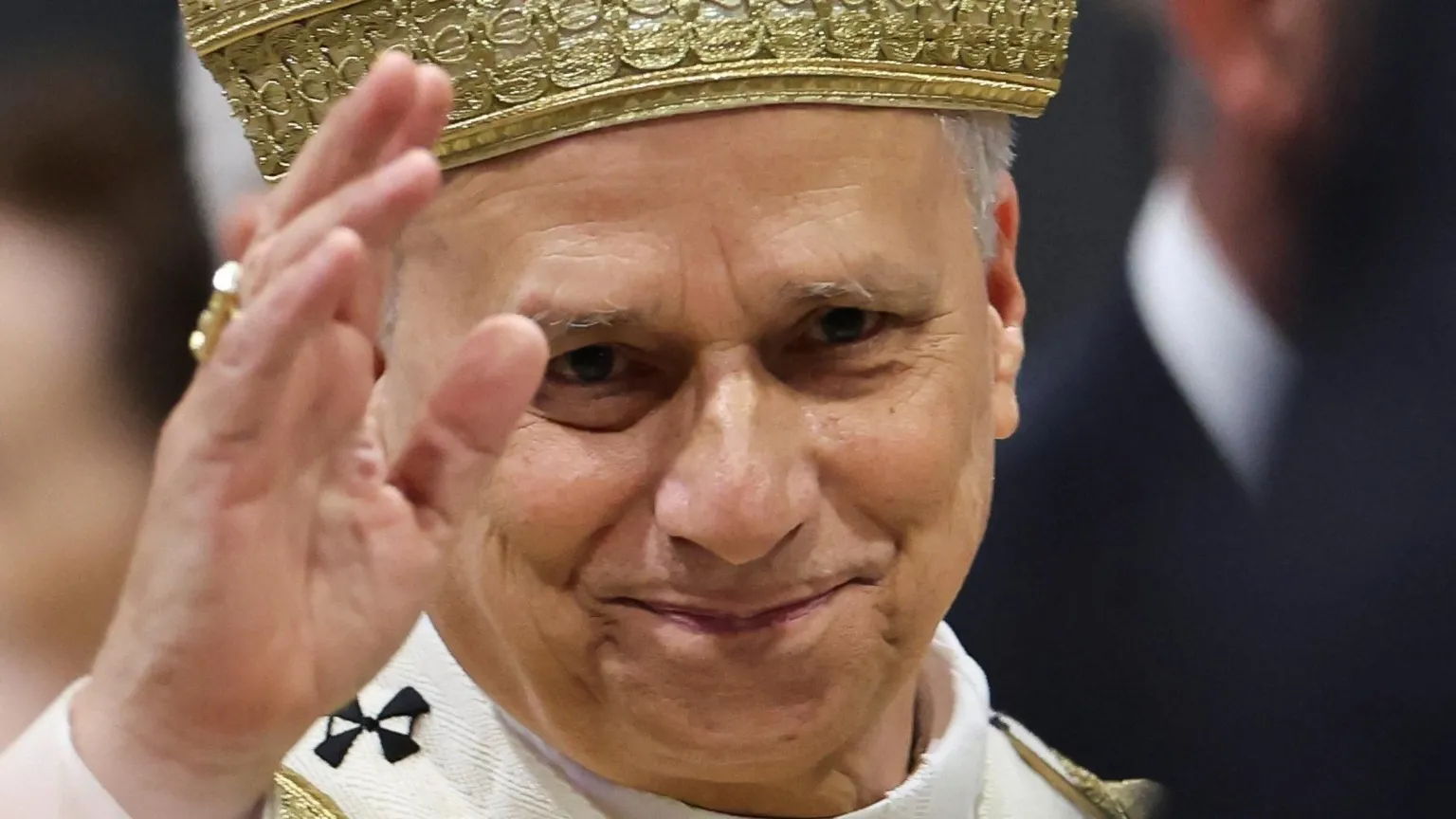
The Vatican has long been a vocal supporter of the two-state solution for a lasting peace in the Middle East. The latest call to action comes from Pope Leo, who on Sunday renewed his appeal for an end to violence against Palestinian civilians in the occupied West Bank.
The Pope's statement comes amid a surge in attacks by militant settlers and a siege in the village of Qusra. Rights groups have accused Israeli settlers of cutting off water and electricity to Palestinian homes, in what they describe as a concerted effort to seize more land and further erode territory where Palestinians aim to establish a state.
Background and Context
The Israeli-Palestinian conflict has been ongoing for decades, with the West Bank being a key flashpoint. The territory has been under Israeli occupation since the 1967 war, with the Israeli government arguing that it is disputed rather than occupied. However, the United Nations and most governments consider the settlements in the West Bank to be illegal under international law.
The Vatican's support for the two-state solution is rooted in its long-standing commitment to the principles of justice and peace. The Catholic Church has a rich history of advocating for the rights of the Palestinian people, dating back to the 1948 Arab-Israeli War. The Church's position on the Israeli-Palestinian conflict is guided by its teaching on the right to self-determination and the protection of human rights.
Key Findings
A key challenge to achieving a lasting peace in the region is the continued expansion of Israeli settlements in the West Bank. The settlements are seen as a major obstacle to the two-state solution, as they further erode Palestinian territory and make it increasingly difficult to establish a viable Palestinian state.
The Israeli government's policy of settlement expansion is driven by a desire to assert control over the West Bank and to prevent the establishment of a Palestinian state. The policy has been widely condemned by the international community, with many governments and organizations viewing it as a major threat to peace and stability in the region.
Broader Implications
The Israeli-Palestinian conflict has far-reaching implications for regional and global security. The continued violence and instability in the region pose a significant threat to peace and stability in the Middle East, and have far-reaching consequences for the global community.
The conflict also has significant humanitarian implications, with thousands of Palestinians displaced and living in poverty. The siege in Qusra is just one example of the many challenges faced by Palestinian civilians living under occupation.
Looking Ahead
The international community has a critical role to play in advancing the two-state solution and bringing an end to violence in the West Bank. The Pope's call to action is a timely reminder of the need for urgent action to address the root causes of the conflict and to support the Palestinian people in their quest for self-determination.
The United Nations and other international organizations must work together to pressure the Israeli government to end its settlement expansion policy and to respect the rights of Palestinian civilians. The international community must also provide significant support to the Palestinian people, including humanitarian aid and assistance to rebuild and develop their economy.





0 Comments
Leave a Comment
No comments yet. Be the first to share your thoughts!