
Key Takeaways
- Royal Praise 2026 debuted in Accra (Aug 9) and Kumasi (Aug 16) under the direction of Rev. Obaapa Christy.
- More than a dozen leading gospel artists performed, including Joyce Blessing and Kwaku Gyasi, who appeared at both venues.
- Organisers highlighted the blend of worship, Ghanaian cultural motifs, and corporate sponsorship as a model for future gospel festivals.
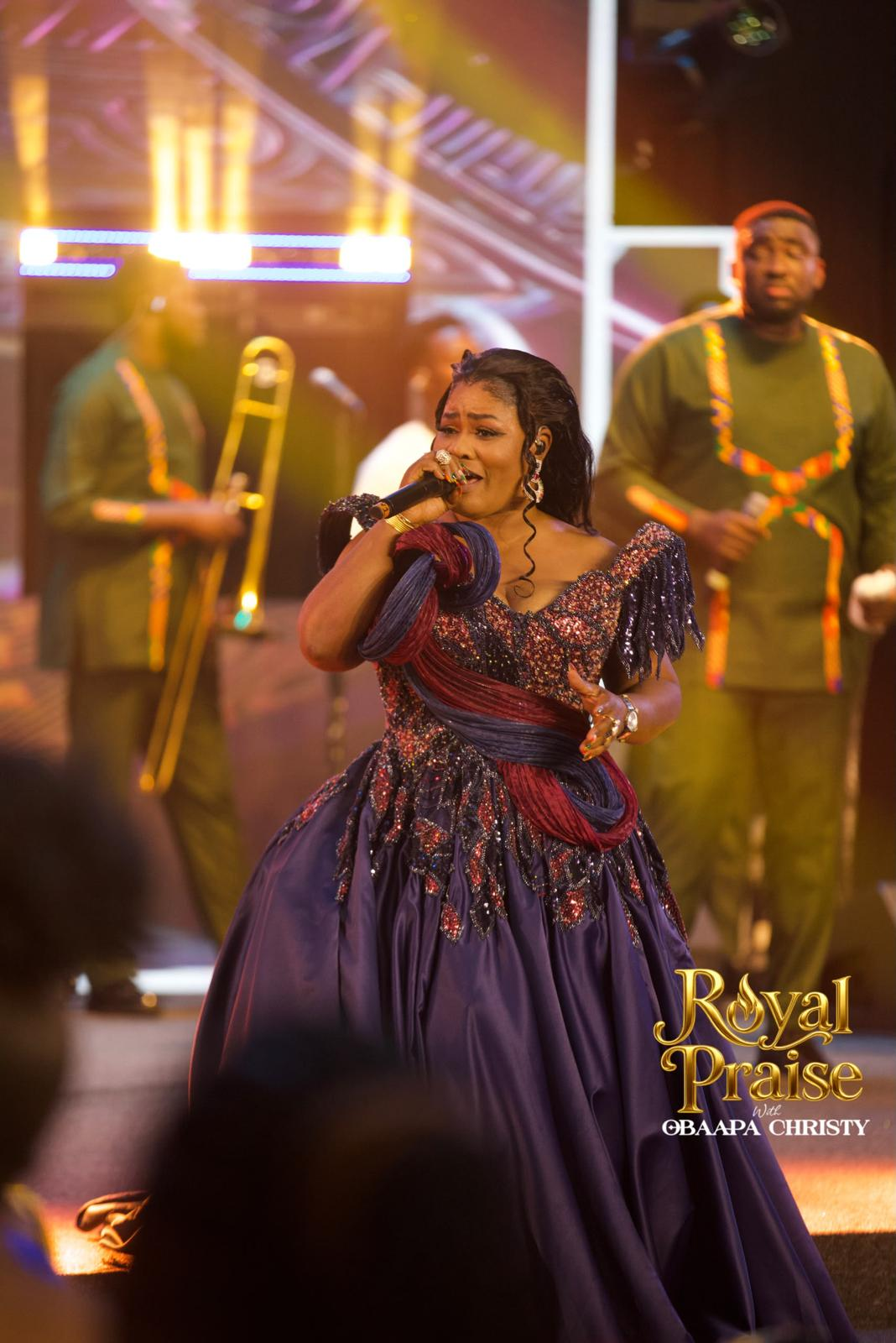
Royal Praise 2026 concluded its inaugural two‑city tour with high attendance and extensive media coverage. The programme, staged at the UPSA Auditorium in Accra and the Church of Pentecost in Bantama, Kumasi, combined live gospel performances with traditional Ghanaian pageantry.
Rev. Obaapa Christy anchored both evenings, delivering worship sets that shifted from contemplative ballads to energetic praise, while supporting acts reinforced the event’s cultural narrative.
Background & Context
Ghana’s gospel music scene has historically intersected with religious festivals and national celebrations. Prior to 2020, large‑scale gospel concerts were typically confined to single‑city venues, limiting cross‑regional collaboration. Royal Praise 2026 introduced a dual‑city format that mirrors the nation’s linguistic and cultural diversity, linking the Anglophone capital with the Ashanti heartland.
The involvement of corporate sponsors such as Bills Micro Credit and Hotwav reflects a growing commercial interest in faith‑based entertainment. This trend aligns with broader African media investments that view gospel events as viable platforms for brand exposure.
Key Performances and Cultural Integration
The Accra lineup featured Joyce Blessing, Empress Gifty, Celestine Donkor, and the ROC Band, among others. Patrons arrived in royal and traditional attire, underscoring the event’s intentional fusion of worship and cultural identity. Obaapa Christy’s set included a white royal gown that facilitated a reflective worship atmosphere before escalating to a more dynamic tempo.
In Kumasi, the Homecoming edition added veteran artists Mama Esther and Lady Prempeh, while Bro Sammy’s royal entrance reinforced the thematic continuity. Christy’s green‑and‑yellow costume echoed Ghanaian national colors, symbolically uniting spiritual devotion with patriotic sentiment.
Broader Implications
The successful execution demonstrates the feasibility of large‑scale, multi‑city gospel festivals in Ghana, potentially influencing future event planning across West Africa. By integrating media partners like Footprint TV and The Multimedia Group, the programme extended its reach beyond physical attendees, creating a digital archive for diaspora audiences.
Economic analysis suggests that sponsorships and ticket sales generated ancillary revenue for local vendors, fashion designers, and hospitality services. The event’s emphasis on collaboration among musicians, content creators, and industry stakeholders may catalyze a more interconnected gospel ecosystem.
Looking Ahead
Organisers announced plans for a 2027 edition with expanded venues, additional artists, and heightened production values. The anticipated growth aligns with audience feedback indicating a strong appetite for events that marry worship, culture, and community.
Continued partnership with corporate sponsors and media outlets will likely shape the festival’s scalability, positioning Royal Praise as a recurring fixture on Ghana’s gospel calendar.




0 Comments
Leave a Comment
No comments yet. Be the first to share your thoughts!