
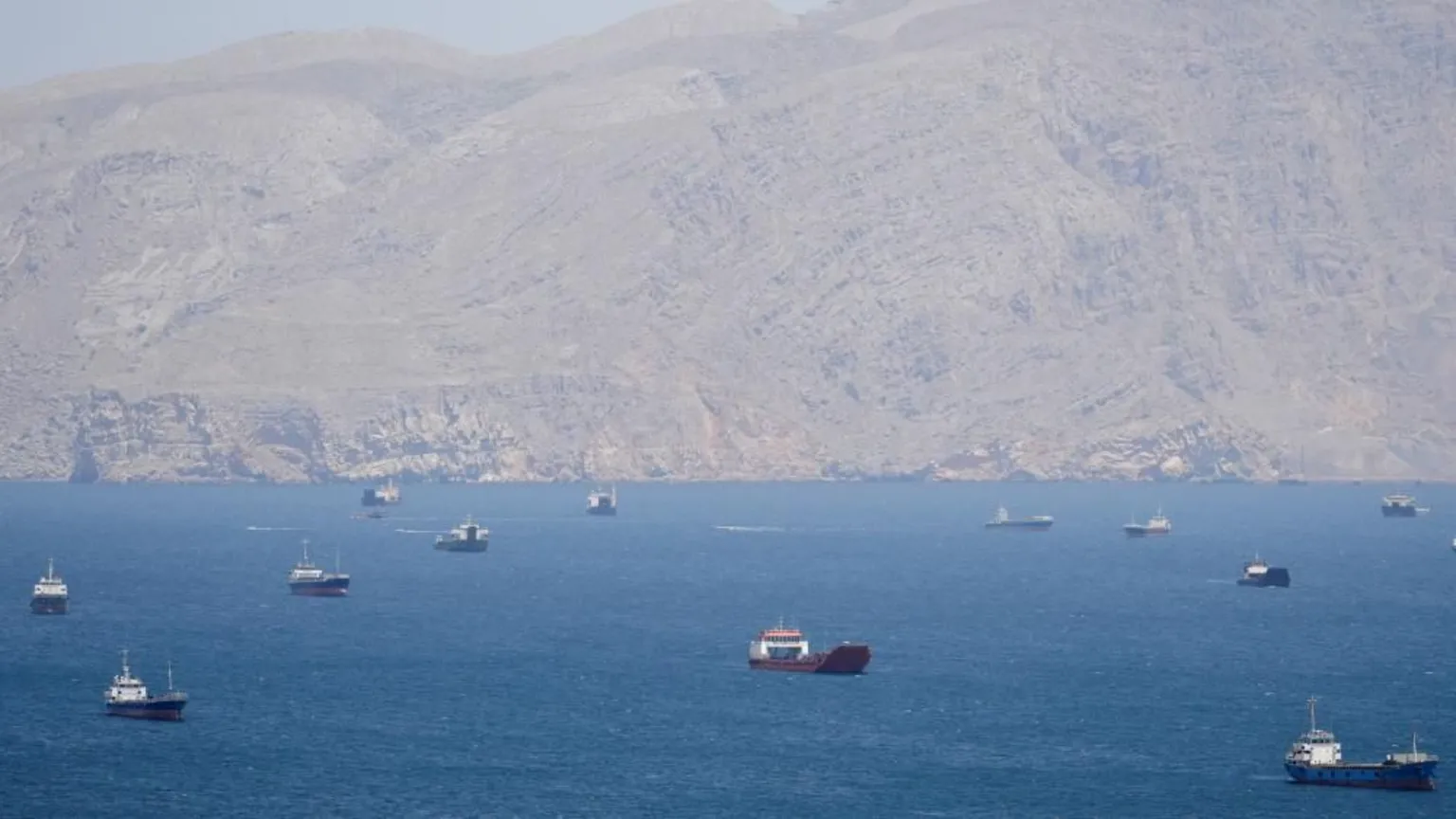
Key Takeaways
- Shipping through the Strait of Hormuz has slowed significantly, with only five vessels transiting the strait on Saturday and none on Sunday.
- The United Arab Emirates reported attacks on three vessels operated by the Abu Dhabi National Oil Company in transit last week.
- Foreign Minister Abbas Araqchi stated that Washington must meet Iran's conditions regarding the Strait of Hormuz for shipping to resume.
- The Strait of Hormuz handles a fifth of the world's shipments of crude oil and liquefied natural gas.
The Strait of Hormuz, a crucial waterway connecting the Persian Gulf to the Gulf of Oman, has seen a significant decline in shipping activity over the weekend, according to data from Kpler. The data showed that only five commodity vessels transited the strait on Saturday, with none registered for Sunday, compared to 31 vessels in the prior weekend.
The slowdown in shipping comes amid heightened tensions between the United States and Iran, following attacks on tankers and the stalling of US-Iran talks to resolve the Middle East conflict. The United Arab Emirates reported attacks on three vessels operated by the Abu Dhabi National Oil Company in transit last week, which may have contributed to the decline in shipping activity.
Background & Context
The Strait of Hormuz is a critical waterway for global energy trade, handling a fifth of the world's shipments of crude oil and liquefied natural gas. The strait's importance was underscored by Iran's recent declaration that it will no longer abide by the 2015 nuclear deal, which the US withdrew from in 2018.
The US has maintained a naval presence in the Persian Gulf, with the USS Abraham Lincoln aircraft carrier group deployed to the region in May. The US has also imposed economic sanctions on Iran, which has led to a significant decline in oil exports.
Key Findings
According to Kpler data, the number of vessels transiting the Strait of Hormuz has declined significantly since the US launched a war on Iran in February. The data showed that only 130 ships a day traversed the strait before the war, compared to five on Saturday.
The decline in shipping activity is likely to have significant economic implications for countries reliant on the strait for energy trade. The Strait of Hormuz is one of the busiest shipping lanes in the world, and any disruptions to trade can have far-reaching consequences.
Broader Implications
The slowdown in shipping through the Strait of Hormuz has broader implications for global energy markets. The strait's importance is underscored by its role in transporting a significant portion of the world's oil exports.
The decline in shipping activity is also likely to impact the global economy, particularly countries reliant on oil imports. The Strait of Hormuz is a critical artery for global energy trade, and any disruptions to trade can have significant economic consequences.
Looking Ahead
The future of shipping through the Strait of Hormuz remains uncertain, with tensions between the US and Iran showing no signs of abating. The United States has stated that it can maintain a naval blockade of Iran indefinitely, which may further exacerbate the situation.
Foreign Minister Abbas Araqchi has stated that Washington must meet Iran's conditions regarding the Strait of Hormuz for shipping to resume. The US must navigate a delicate diplomatic balance to resolve the crisis, while also ensuring the continued flow of oil and gas through the strait.






0 Comments
Leave a Comment
No comments yet. Be the first to share your thoughts!