
Key Takeaways
- Six tourists and the pilot died when a Eurocopter EC130 B4 crashed on Mount Ololokwe in Samburu County.
- The accident occurred at approximately 09:13 local time during a scenic flight between a wildlife conservancy and the Ewaso Nyiro river.
- Authorities are deploying drones to survey the inaccessible crash site while the transport ministry and the Air Accident Investigation Department lead the inquiry.
The Kenya Civil Aviation Authority confirmed that a Eurocopter EC130 B4 operating a sightseeing tour from a private conservancy in Loisaba to the Ewaso Nyiro river went down on the slopes of Mount Ololokwe. The crash claimed the lives of six tourists and the pilot, and the exact nationalities of those on board remain unverified.
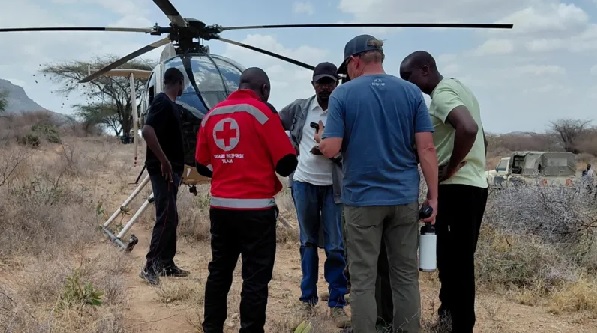
Rescue teams reported that the rugged terrain and dense vegetation rendered the site inaccessible by ground, prompting the Kenya Red Cross to employ aerial drones for initial assessment. Smoke and debris were visible in images circulated online, underscoring the severity of the impact.
Background & Context
Samburu County, renowned for its expansive savannahs and private wildlife conservancies, attracts high‑end tourism that often relies on aerial transport to reach remote lodges and viewing points. Helicopter tours have become a staple of the region’s luxury travel offering, providing swift access to areas otherwise reachable only after long drives.
Kenya’s aviation sector has witnessed a series of high‑profile helicopter incidents in recent years, including a February crash in Nandi County that killed a member of parliament and a 2024 military helicopter accident that claimed the life of the army chief. These events have raised questions about maintenance standards, pilot training, and regulatory oversight in a market where demand for aerial tourism outpaces infrastructure development.
Investigation Response
The Aircraft Accident Investigation Department, in coordination with the Kenya Civil Aviation Authority, has opened a formal inquiry. Early steps involve securing the crash zone, retrieving flight data recorders, and conducting forensic analysis of the wreckage. Drone footage is expected to supplement ground evidence, given the difficulty of deploying personnel to the steep slopes of Mount Ololokwe.
Both the transport ministry and the Air Accident Investigation Department have pledged transparency, committing to publish preliminary findings within 30 days. International aviation safety bodies may be consulted, as the Eurocopter EC130 B4 is a widely used model in African tourism operations, and any systemic flaw could have cross‑border ramifications.
Safety Record and Broader Implications
Helicopter operations in Kenya have historically faced challenges such as variable weather patterns, limited navigation aids, and uneven enforcement of maintenance schedules. The cumulative effect of multiple accidents has prompted industry stakeholders to call for stricter oversight, including mandatory upgrades to avionics and more rigorous pilot certification processes.
Tourism authorities warn that recurrent safety incidents could erode confidence among international visitors, potentially impacting revenue streams that support conservation efforts and local economies. Balancing the economic benefits of aerial tours with the imperative of passenger safety remains a central policy dilemma.
Looking Ahead
Pending the investigative report, regulators are expected to review existing helicopter operating permits and consider temporary suspensions of certain tour routes pending safety audits. Enhanced monitoring of flight plans and real‑time weather data integration are among the measures under discussion.
The outcome of this investigation will likely shape future regulatory frameworks, influencing how Kenya’s tourism sector leverages air transport while safeguarding the lives of visitors and crew.






0 Comments
Leave a Comment
No comments yet. Be the first to share your thoughts!