
Key Takeaways
- Supreme Court set August 21 deadline for decision on suit questioning administrative warrants.
- Petitioner argues that the Attorney General representing the Chief Justice breaches separation of powers.
- Case highlights potential infringement of accused persons’ right to a fair trial during the legal vacation.
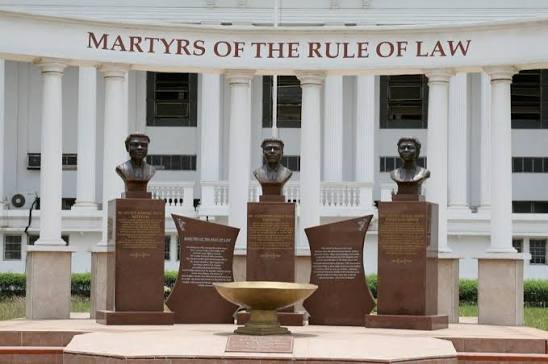
The Ghanaian Supreme Court has adjourned its hearing to Friday, August 21, to deliver a verdict on a constitutional challenge brought by former Education Minister Kojo Oppong Nkrumah. The suit contests the legality of administrative warrants that permit selected High Court judges to preside over criminal matters while the courts are officially on legal vacation.
Oppong Nkrumah’s counsel, Frank Davies, emphasized that the challenge is not aimed at halting criminal trials but at safeguarding defendants’ right to choose their counsel and to receive a fair hearing when lawyers are unavailable during the vacation period.
Background & Context
Ghana’s legal calendar designates a “legal vacation” during which most judicial activities pause, allowing judges and court staff a period of rest. Historically, the Chief Justice may issue warrants that enable specific judges to continue trials if the parties, particularly the defense counsel, consent to the arrangement. This practice has been viewed as an exception rather than the norm.
The current warrants were issued without documented consent from the defense attorneys representing the accused in the selected cases. Critics argue that the absence of such consent undermines the procedural safeguards that the vacation period is intended to protect.
Legal Arguments Presented
Davies contended that the Attorney General, an executive branch official, should not represent the Chief Justice, who heads an independent judiciary. He maintained that when the Chief Justice is named as a substantive defendant, separate legal representation is required to preserve the constitutional doctrine of separation of powers.
The petition also asserts that proceeding with trials during the vacation, without the accused’s chosen lawyers, violates the constitutional guarantee of a fair trial. Defense counsel for the accused have reported an inability to attend hearings, raising concerns about the adequacy of representation and the integrity of the judicial process.
Constitutional and Procedural Implications
If the Supreme Court finds the warrants unconstitutional, it could reshape the procedural landscape for handling urgent criminal matters during the vacation. A ruling in favor of the petition would reinforce the principle that executive involvement in judicial representation must be limited, thereby strengthening judicial independence.
Conversely, upholding the warrants would affirm the executive’s capacity to act on behalf of the judiciary in specific circumstances, provided that the core rights of the accused are not compromised. The decision will likely set a precedent for future interactions between the branches of government in Ghana’s legal system.
Looking Ahead
The impending judgment on August 21 will be closely watched by legal scholars, civil‑rights advocates, and policymakers. A ruling that curtails the use of administrative warrants could prompt legislative clarification on the scope of judicial authority during the vacation period.
Regardless of the outcome, the case underscores the delicate balance between efficient case management and the preservation of constitutional safeguards that protect individual liberties and the independence of the judiciary.





0 Comments
Leave a Comment
No comments yet. Be the first to share your thoughts!